2026 Best Home Solar System Options for Global Buyers?
In recent years, the demand for home solar systems has surged worldwide. As homeowners look for sustainable energy solutions, expert opinions provide invaluable insights. Dr. Sarah Lin, a renowned solar energy specialist, emphasizes, “Investing in a home solar system is not just about saving costs; it’s about shaping our energy future.”
Navigating the myriad options for a home solar system can be daunting. Each market presents unique challenges, including local regulations and installation costs. With an array of technologies available, from rooftop panels to solar batteries, buyers must assess their needs meticulously. Many buyers overlook maintenance needs or underestimate the importance of panel efficiency. This can lead to dissatisfaction or unforeseen expenses.
A home solar system should reflect both immediate energy needs and long-term goals. Engaging with local experts can help prevent common pitfalls. While there are exceptional products available globally, personal factors play a critical role in determining the best fit. Careful research is essential to ensure reliability and optimal performance in the long run.
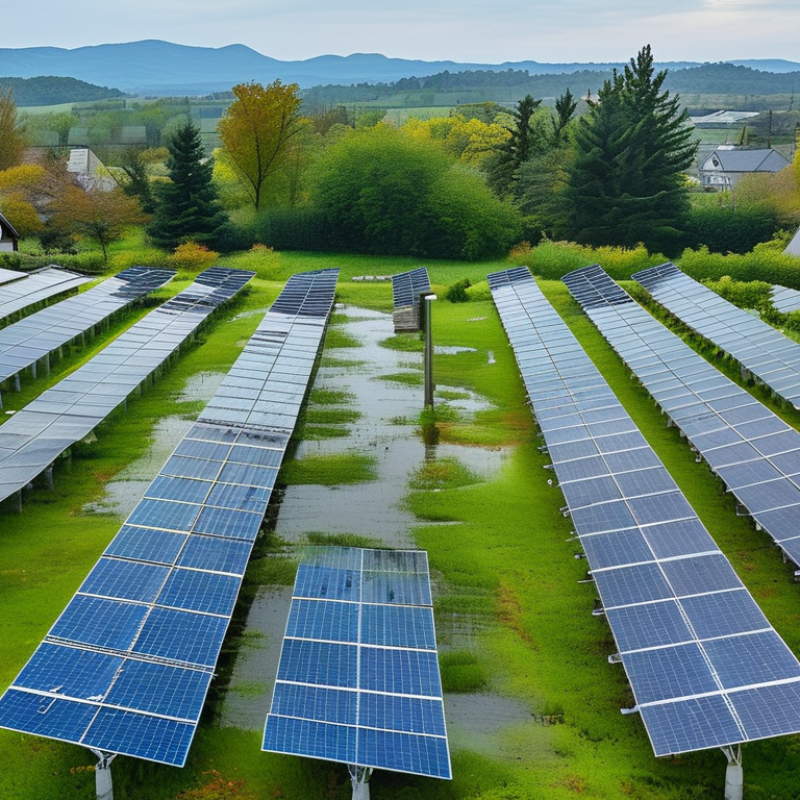
Overview of Home Solar Systems and Their Benefits
Home solar systems have gained popularity for their numerous benefits. They provide renewable energy, reduce electricity bills, and increase property value. By harnessing sunlight, these systems contribute to a more sustainable future. Those interested in solar technology often seek reliable, efficient options.
When considering a home solar system, it's essential to evaluate your energy needs. Conducting a thorough energy audit can help. Understand the average energy consumption in your home. It may reveal areas where you can improve efficiency before installing solar panels.
Tip: Installing smart meters can optimize energy usage. They provide real-time data on your consumption, enabling better decisions.
The installation process can be complex and may require professional help. Ensure you choose a qualified installer to avoid potential issues. Research customer reviews and ratings. Check credentials to confirm their expertise in solar installations.
Tip: Look for warranties on both panels and installation. This can protect your investment and ensure long-term satisfaction. An informed choice leads to better results.
Key Factors to Consider When Choosing a Solar System
When considering solar system options, several key factors come into play. First, efficiency ratings are critical. Studies show that solar panels with higher efficiency convert more sunlight into electricity. This is particularly important in regions with limited sunlight. For instance, opt for panels boasting over 20% efficiency for optimal performance.
Another significant aspect is the warranty offered by manufacturers. A robust warranty reflects the company’s confidence in its product. Most reputable solar panels come with a warranty extending from 20 to 25 years. This long-term guarantee provides peace of mind, ensuring that your investment will yield savings over its lifespan.
Installation is also crucial. Professional installation can affect both costs and energy production. Experts recommend seeking certified installers. Poor installation can lead to decreased system performance. Furthermore, consider the system’s scalability. As energy needs change, being able to expand your system can offer flexibility. This adaptability ensures you can meet future energy demands without overhauling your entire setup.
2026 Best Home Solar System Options for Global Buyers
| Solar System Type |
Efficiency (%) |
Average Cost per Watt ($) |
Warranty (Years) |
Installation Time (Days) |
| Monocrystalline |
20-22 |
2.50 |
25 |
1-2 |
| Polycrystalline |
15-18 |
1.80 |
20 |
3-5 |
| Bifacial |
18-22 |
2.80 |
30 |
2-4 |
| Thin Film |
10-13 |
1.20 |
10-15 |
5-7 |
| Building-integrated Photovoltaics (BIPV) |
15-18 |
3.50 |
20 |
2-4 |
Top Brands and Models of Solar Systems in 2026
In 2026, the solar energy market continues to expand, offering diverse options for global buyers. Recent industry data shows that solar capacity has increased by over 25% compared to previous years. Changes in technology and production methods contribute to this growth. Buyers are now eager for systems that provide high efficiency and durability.
Top brands in the solar industry are focusing on user-friendly designs. Some models now feature smart technology integration. This allows for real-time monitoring of energy production. A growing number of models are also designed with aesthetics in mind, blending solar panels seamlessly into existing architecture. However, there remains concern about the upfront costs and installation challenges. Reports indicate that nearly 30% of potential buyers cite these as obstacles.
Home solar systems are evolving, but challenges persist. Many systems have warranties extending up to 25 years, yet customers often wonder about long-term performance. Reliability is key, especially when determining return on investment. Future advancements could address these concerns. As competition intensifies, buyers should remain well-informed to make educated choices in this ever-changing landscape.
2026 Best Home Solar System Options Data Chart
This chart illustrates the expected performance metrics for the best home solar systems available in 2026. The data reflects the average efficiency, cost per watt, warranty duration, and average output for selected solar systems, providing potential buyers with key insights into their options.
Cost Analysis and Financial Incentives for Solar Buyers
In 2026, solar energy systems continue to attract buyers seeking eco-friendly power solutions. Understanding the financial aspects is crucial for potential solar customers. A recent report by the National Renewable Energy Laboratory (NREL) indicates that the average cost of solar installation varies between $15,000 and $25,000, depending on system size and location. This financial commitment requires careful planning.
Tax incentives substantially impact the overall investment. For instance, the federal solar tax credit offers 26% off the installation cost, decreasing to 22% in 2023. Additionally, various states provide rebates and low-interest loans to encourage solar adoption. For example, California offers up to $1,000 per residential system.
Despite these incentives, challenges persist. Some buyers may underestimate installation and maintenance costs. Reports suggest that long-term savings should outweigh upfront investments, but the payback period can stretch from five to ten years. It's essential for buyers to conduct thorough research. Understanding local regulations and available incentives is vital for maximizing investment in solar technology.
Future Trends in Solar Technology and Global Market Insights
The solar technology landscape is evolving rapidly. According to the International Energy Agency (IEA), solar energy could become the largest source of electricity by 2026, potentially powering over a billion homes globally. This shift reflects significant advancements in photovoltaic (PV) efficiency and battery storage technologies.
In terms of market insights, a report by Bloomberg New Energy Finance indicates that the global solar market is likely to see a 20% annual growth rate through 2026. Many buyers are seeking systems that offer greater energy independence and lower long-term costs. However, navigating this dynamic market presents challenges. Buyers need to evaluate
system longevity, local regulations, and incentives.
Understanding future trends is crucial. Emerging technologies like bifacial solar panels and innovative energy management systems are on the horizon. Yet, consumer awareness remains uneven. Many potential buyers still lack information on assessing system performance. Addressing this knowledge gap is vital.