2026 Best Solar Energy Panels for Home What to Consider?
As homeowners increasingly seek sustainable energy solutions, choosing the right solar energy panels for home installation is critical. According to a 2023 report by the Solar Energy Industries Association (SEIA), residential solar installations have grown by 34% since last year. This remarkable growth highlights the shift towards renewable energy. However, selecting the best solar panels can be daunting for many homeowners.
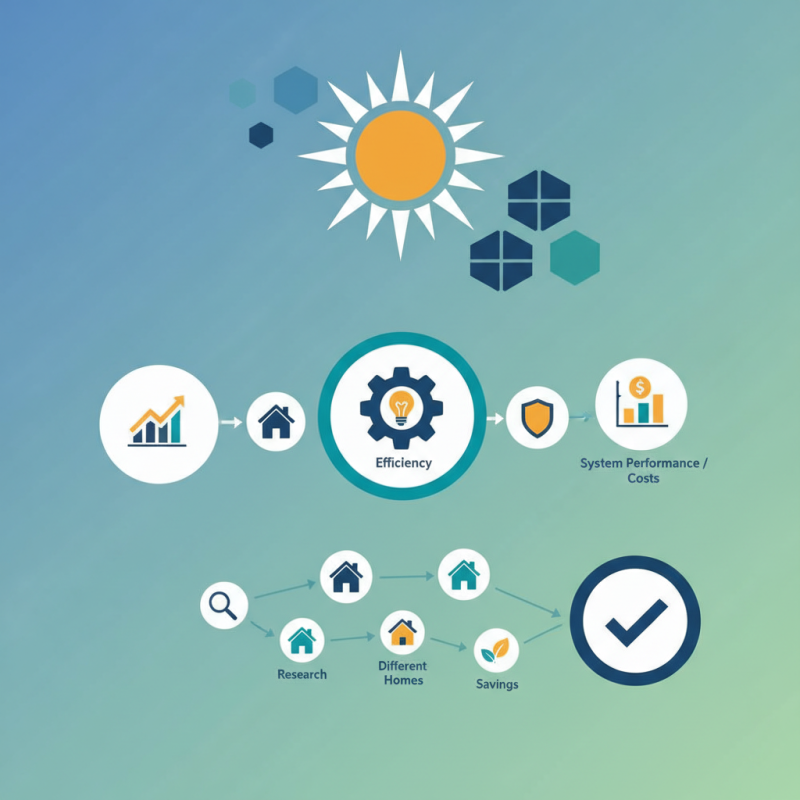
Industry expert, Dr. Emily Carter, a leading researcher in renewable energy technologies, states, "Not all solar energy panels for home use are created equal." Her insights emphasize the importance of efficiency, warranty, and overall system performance when making a choice. Homeowners should consider factors such as panel efficiency ratings and installation costs. Even minor variations can have significant long-term impacts on energy savings.
Despite the benefits, many potential users feel overwhelmed by the options available. It's essential to weigh different brands, technologies, and local incentives. Not every panel will be the best fit for every household. Therefore, careful research is essential to maximize solar panel benefits. The choice made today could influence energy bills for decades.
Overview of Solar Energy Panels and Their Importance for Homes
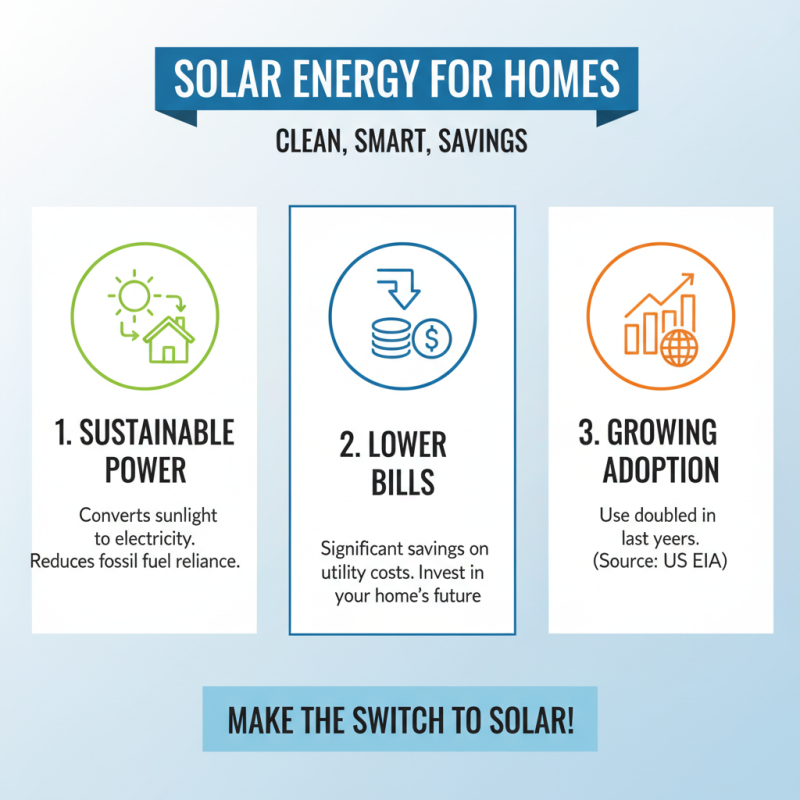
Solar energy panels have become essential in modern households. They convert sunlight into electricity, providing a sustainable energy source. This not only reduces reliance on fossil fuels but also lowers utility bills. According to the U.S. Energy Information Administration, solar energy use has doubled in the last five years, highlighting its growing importance.
Choosing the right solar panels involves several factors. Efficiency ratings, durability, and warranty details are critical. Reports indicate that high-efficiency panels can convert more sunlight into electricity, offering better long-term savings. However, higher efficiency often comes with a higher price tag. A balance between cost and performance is necessary for homeowners.
The installation process also deserves attention. Proper installation is crucial for maximizing energy output. Mistakes during installation can lead to energy losses. Research has found that poorly installed solar panels can decrease efficiency by up to 20%. Homeowners should prioritize working with certified installers to ensure reliable performance. Understanding these elements can lead to better decisions in selecting solar panels for homes.
Key Factors to Consider When Choosing Solar Energy Panels
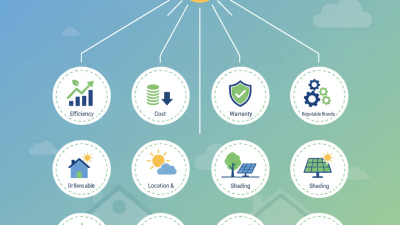
When choosing solar energy panels for your home, consider several key factors. Efficiency is crucial. Look for panels that convert a high percentage of sunlight into electricity. Higher efficiency means more energy from a smaller area. This is especially important if roof space is limited.
Durability is another essential aspect. Solar panels must withstand harsh weather conditions. Investigate panels with sturdy materials and reliable warranties. A robust warranty can serve as a safety net, ensuring your investment is protected.
Don't overlook costs. While initial expenses are significant, think about long-term savings. Calculate potential energy bill reductions over time. Also, consider available incentives or tax credits. These can reduce upfront costs. Lastly, be aware of installation requirements. A professional installation ensures your panels perform optimally, but it can add to expenses. Balancing these factors will guide you in making informed decisions.
Types of Solar Panels: Monocrystalline, Polycrystalline, and Thin-Film
When considering solar energy panels for your home, understanding the different types is crucial. Monocrystalline panels are known for their high efficiency and longevity. They are made from single-crystal silicon, which allows them to produce more electricity in less space. This can be a major advantage if you have limited roof space. However, they tend to be more expensive than other types.
Polycrystalline panels are another option. They are made from multiple silicon crystals, often leading to a lower efficiency rate. This might not be ideal for homes requiring high energy output. However, they are generally more affordable and can be a practical choice for many homeowners.
Thin-film solar panels offer a lightweight and flexible alternative. They are made by layering photovoltaic materials on a substrate. This type can be less efficient but is easier to install on various surfaces. More installations are needed to match the output of crystalline panels. Each type has its pros and cons. Assessing your individual energy needs, budget, and space available is vital in making the right choice.
2026 Best Solar Energy Panels for Home: What to Consider?
| Type of Solar Panel |
Efficiency (%) |
Lifespan (Years) |
Cost per Watt ($) |
Warranty (Years) |
| Monocrystalline |
20-22 |
25 |
$0.80 - $1.00 |
25 |
| Polycrystalline |
15-20 |
25 |
$0.70 - $0.90 |
25 |
| Thin-Film |
10-12 |
15-20 |
$0.50 - $0.70 |
10-15 |
Evaluating Efficiency and Performance Ratings of Solar Panels
When choosing solar energy panels for your home, efficiency and performance ratings are crucial. The efficiency of solar panels indicates how well they convert sunlight into usable electricity. Most panels on the market today range from 15% to over 22% efficiency. According to the National Renewable Energy Laboratory, higher efficiency models tend to produce more energy per square foot. This is particularly important for homes with limited roof space.
Performance ratings, often expressed as a percentage of energy output over time, provide insight into how panels perform under various conditions. The top-performing panels show minimal degradation, losing less than 0.5% of their efficiency annually. The Solar Energy Industries Association emphasizes looking for panels that come with warranties of at least 25 years. These warranties often reflect the manufacturer’s confidence in their product’s longevity and performance.
It's essential to recognize that efficiency is not the only factor. The installation quality, local climate, and shading from nearby structures can affect overall performance. Real-world conditions often lead to discrepancies between rated and actual energy production. Homeowners should consider these aspects carefully. Balancing upfront costs with long-term savings is vital. Understanding these nuances leads to more informed decisions when investing in solar energy.
2026 Best Solar Energy Panels Efficiency Comparison
Cost Analysis: Initial Investment vs. Long-term Savings on Energy Bills
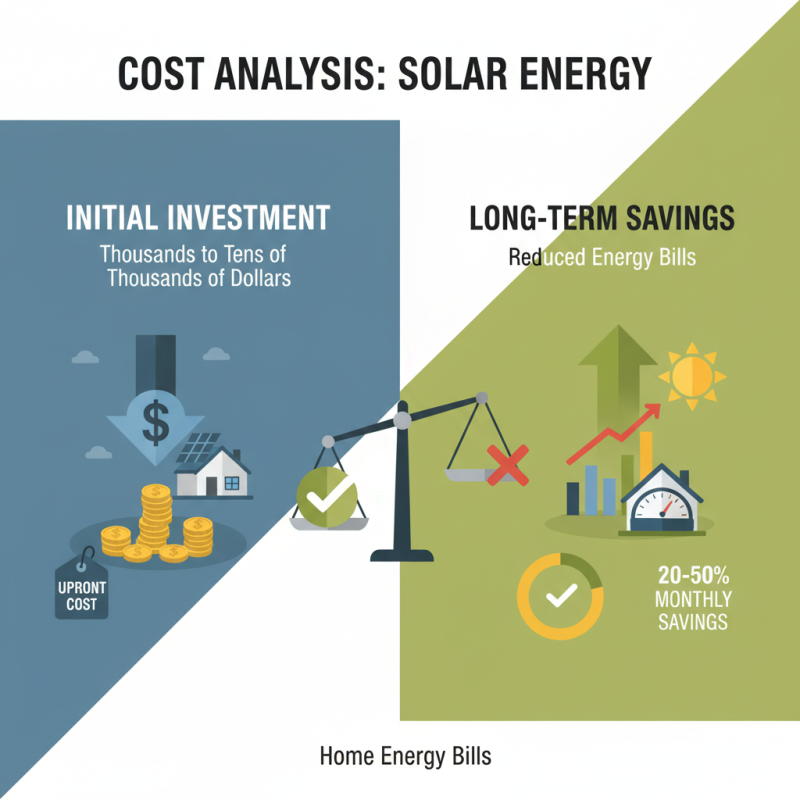
When considering solar energy panels for your home, cost analysis is crucial. The initial investment can be significant, often ranging from thousands to tens of thousands of dollars. This upfront cost may seem daunting. However, focusing on long-term savings can shift your perspective. A typical solar setup can lead to reduced energy bills, sometimes saving homeowners 20% to 50% monthly.
Long-term savings also depend on your location and energy usage. In sunny regions, the return on investment can be quicker. Yet, understanding your energy needs requires careful analysis. Consider factors like roof space, panel efficiency, and local solar incentives. Sometimes, the savings may not match expectations, leading to second thoughts about going solar.
Maintenance and longevity are also essential. Panels can last over 25 years, but unexpected repairs may arise. Not every homeowner sees immediate savings. It is vital to reflect on these aspects and decide based on both short-term costs and long-term benefits. Solar energy can be a wise choice. It also needs thoughtful planning to maximize its potential.