2026 Eco Bike Electric Bike Trends Buyers Should Know?
As we approach 2026, the landscape of Eco Bike Electric Bikes is evolving rapidly. Industry expert John Carter, who has over a decade of experience in sustainable transportation, notes, "The future of commuting hinges on electric bikes." The increasing demand for greener alternatives is shaping this industry. Buyers should stay informed about the latest trends, designs, and technologies that define Eco Bike Electric Bikes.
Sustainability is at the forefront of consumer concerns today. Riders now want bikes that are not just efficient but stylish and eco-friendly as well. Innovative battery technology is enhancing performance and range. However, with so many options available, it can be overwhelming. Many buyers face challenges when selecting the right model for their needs. A reflective approach is essential to navigate these complexities.
Understanding the trends can make a significant difference. Features like lightweight materials and smart technology will soon dominate the market. Buyers need to consider these aspects to make informed choices. Ultimately, embracing Eco Bike Electric Bikes represents a commitment to a sustainable future. The journey toward greener transportation is just beginning, and it requires thoughtful engagement.
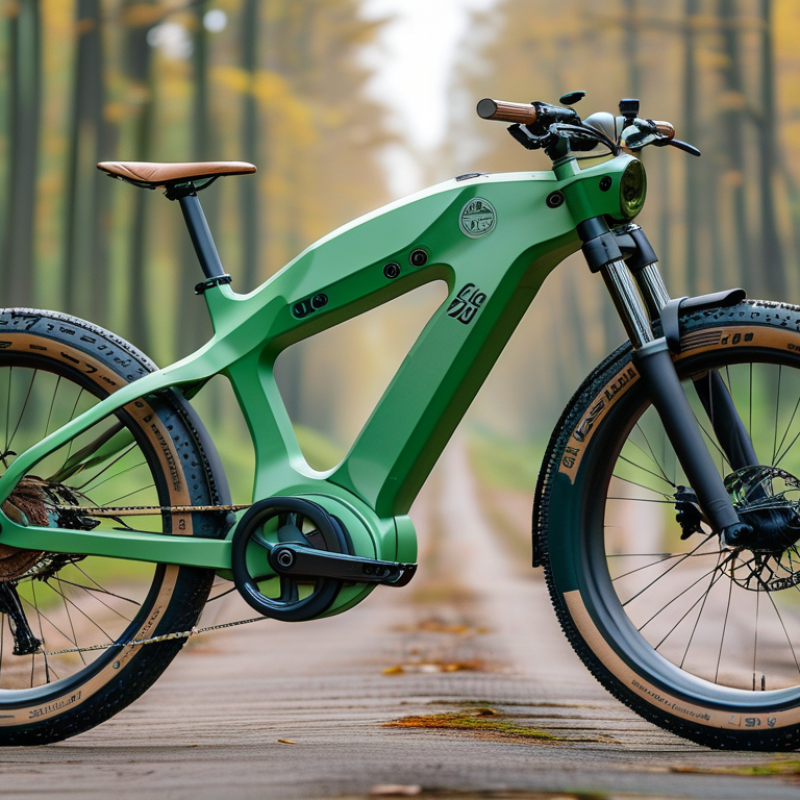
2026 Eco Bike Electric Bike Market Overview and Innovations
The 2026 Eco Bike Electric Bike market is witnessing significant innovations. These advancements aim to enhance user experience and sustainability. Battery technology is a critical focus. Manufacturers are now exploring solid-state batteries for increased efficiency. This innovation promises a longer lifespan and faster charging times for riders.
Smart features are also gaining traction. Many electric bikes will integrate IoT technology. This allows for real-time monitoring of performance data. Riders can track their speed, distance, and battery status directly through their smartphones. Such enhancements make biking more accessible and enjoyable. Yet, this dependence on technology raises questions. Do users risk over-relying on features rather than their biking skills?
Material advancements play a pivotal role too. Lightweight materials are being favored to improve handling and comfort. Eco-friendly manufacturing processes are becoming standard, reducing environmental impact. However, not all materials are equally sustainable. The challenge lies in balancing performance with environmental responsibility. As consumers become more eco-conscious, the need for transparency in these materials grows. Therefore, bike companies must adapt.
Key Features to Look for in E-Bikes for 2026
When considering an electric bike for 2026, certain key features stand out. Battery capacity is crucial. A larger capacity means longer rides without frequent charging. Look for bikes that support fast charging as well. This can greatly enhance the overall riding experience.
Another important element is the weight of the bike. Lightweight materials can improve maneuverability. However, some lightweight models can compromise durability. Testing different models will help determine the right balance of weight and strength. Comfort features, such as adjustable seats and ergonomic grips, are also essential. These attributes affect the long-term usability of the bike.
Connectivity is becoming more prevalent in e-bikes. Models with smartphone integration can provide real-time data on speed and battery life. While this feature is exciting, ensure it does not detract from your riding focus. Lastly, always consider the warranty and customer support. Some bikes may seem appealing but lack reliable post-purchase assistance. Making informed decisions about features ensures a better e-bike experience in 2026.
2026 Eco Bike Electric Bike Trends
This chart illustrates key features of electric bikes expected in 2026, including battery life, charging time, weight, maximum speed, and average price. Understanding these trends helps buyers make informed decisions in the evolving e-bike market.
Sustainability Trends Shaping the Electric Bike Industry
The electric bike industry is increasingly focusing on sustainability. This shift reflects a growing awareness of climate change and the need for eco-friendly transportation. More consumers are looking for green options that reduce their carbon footprint. As a result, manufacturers are prioritizing eco-conscious materials and design.
The use of recycled materials is on the rise. Bike frames made from recycled aluminum and plastics are gaining popularity. This move not only promotes sustainability but also reduces waste. Many companies are exploring renewable energy sources for production. This transition is a crucial step toward a greener future. In addition, energy-efficient manufacturing practices are becoming standard.
However, challenges remain. The industry still relies heavily on non-renewable resources in some areas. Battery production often involves harmful materials, raising sustainability concerns. Consumers are becoming more educated about these issues. They demand transparency from manufacturers. As the market continues to evolve, addressing these challenges will be essential for sustainable growth.
Popular Electric Bike Models and Brands in 2026
Electric bikes are gaining traction as a popular choice for eco-conscious commuters in 2026. Many models are being designed with lightweight materials and efficient motors. The shift towards sustainable transport means that these bikes now feature cutting-edge battery technology. Riders can expect longer ranges, allowing for longer commutes without worries about charging.
As for brands, a focus on reliability and performance is evident. Many companies are investing in research and development, responding to consumer demands for durability and comfort. Features like adjustable seating and integrated lighting systems are becoming commonplace. However, there are still challenges. Some models have been criticized for heavy frames or outdated technology.
Consumers should pay attention to user reviews and expert recommendations. Understanding the specifications helps avoid unsuitable choices. New models may promise high speeds but can compromise comfort and usability. It's essential to find a balanced option that meets personal needs and budget constraints.
Future Technologies in Eco-Friendly Electric Biking
As electric biking continues to evolve, future technologies promise to reshape the eco-friendly biking landscape. Imagine batteries that can be charged through solar energy or kinetic motion. Such innovations could make e-bikes even more sustainable. This would greatly reduce reliance on traditional power sources. Riders might enjoy longer trips without worrying about battery life.
Smart integration is another significant trend. Advanced connectivity features will allow riders to monitor bike performance in real time. Imagine receiving alerts about maintenance or updates directly on your smartphone. This level of interaction can enhance the riding experience. However, dependence on technology raises questions about user privacy.
The materials used in electric bikes are also changing. Lightweight composites can improve efficiency and speed. They may offer a solution to the common issue of heavy batteries. Yet, the environmental impact of these materials needs further exploration. Balancing innovation with sustainability will be essential for the future of eco-friendly electric biking.
