2026 Top EV Charger Car Models You Should Know About?
As the world advances towards a more sustainable future, the demand for electric vehicles (EVs) continues to grow. Among the many considerations for potential EV buyers, the choice of the right Ev Charger Car is crucial. In 2026, several new models stand out in the market. These vehicles offer improved range, charging speeds, and innovative features.
Choosing an EV charger car involves several factors. Range anxiety often plagues prospective buyers. Fortunately, top models in 2026 will likely offer smoother experiences. Nonetheless, potential buyers should explore various options. Some cars still lag behind in integrating user-friendly tech. Others excel in performance but lack efficient charging solutions.
Moreover, consumers should remain aware of real-world performance. A sleek design or impressive specs don't always guarantee satisfaction. Read reviews and gather insights from other users. This can help navigate the evolving landscape of EV charger cars and make informed decisions before purchasing.
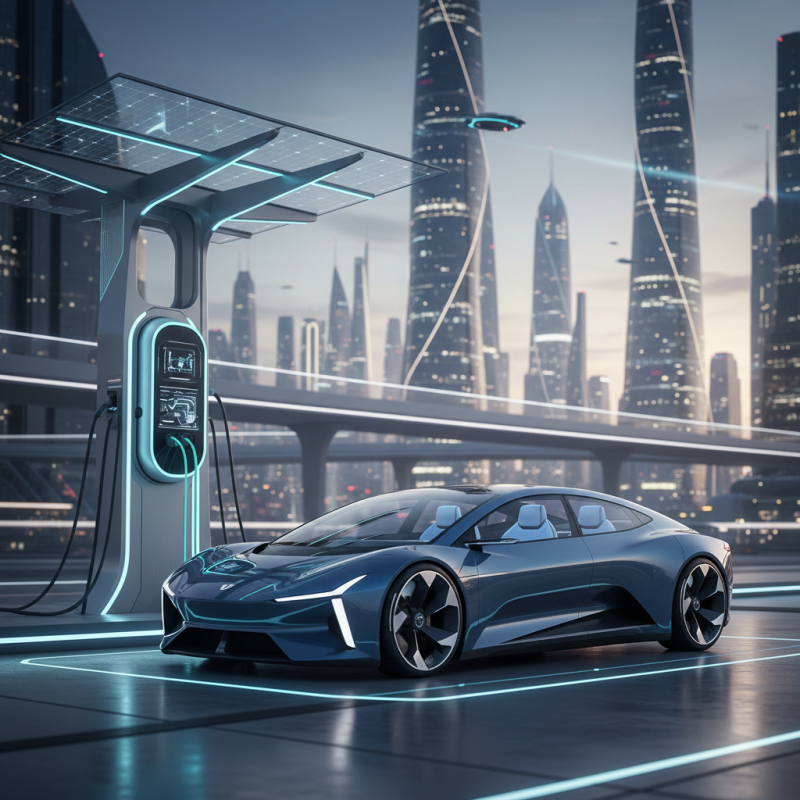
2026 EV Market Overview: Growth Trends and Projections
The electric vehicle (EV) market is growing rapidly, driven by increasing environmental awareness and technological innovations. According to the International Energy Agency (IEA), global EV sales surged by over 40% in 2022, setting a new record. This trend is expected to continue, with projections estimating that EVs could make up 30% of all vehicle sales by 2026.
Infrastructure development is crucial for this growth. A report by BloombergNEF indicates that the number of public charging stations must triple to support the increasing EV fleet. Inadequate charging facilities could hinder adoption. It’s also worth noting that consumer education is lagging behind. Many potential buyers still lack knowledge about EV benefits. This gap indicates the need for improved outreach.
Moreover, the cost of EVs remains a concern. While battery prices have fallen significantly, achieving price parity with traditional cars is still a challenge. Industry experts suggest that innovative financing options and government incentives will play a key role in addressing this issue. Without these changes, growth may not meet expectations. The evolving dynamics of the market require constant adaptation and reflection.
2026 Top EV Charger Car Models You Should Know About
| Model | Charging Speed (kW) | Battery Capacity (kWh) | Range (miles) | Estimated Price ($) |
| Model A | 150 | 75 | 300 | 45,000 |
| Model B | 100 | 65 | 280 | 50,000 |
| Model C | 200 | 80 | 320 | 55,000 |
| Model D | 120 | 70 | 290 | 48,000 |
| Model E | 180 | 85 | 350 | 60,000 |
Top EV Charger Car Models of 2026: Key Features and Innovations
The EV market in 2026 is set to showcase several standout models that redefine what we expect from electric vehicles. Many models now feature advanced charging capabilities, significantly reducing downtime. Some cars support ultra-fast charging, promising 80% battery life in under 30 minutes. This innovation makes road trips more convenient than ever.
Battery technology continues to evolve, with many models offering improved driving ranges. Some can travel more than 400 miles on a single charge, making them appealing for long-distance journeys. Regenerative braking is also becoming standard, further enhancing efficiency. However, buyers should consider the offset of battery life against performance.
Interior technology is another highlight. Enhanced infotainment systems, seamless smartphone integration, and driver-assistance features are present in many entrants. Yet, some drivers find these systems overly complex. A balance must be struck between user-friendliness and innovative technology. Ultimately, while the advancements are impressive, the focus should be on what works best for individual needs.
2026 Top EV Charger Car Models: Key Features and Innovations
Comparative Analysis of Charging Speeds: Fast Chargers vs. Standard Chargers
When comparing charging speeds for electric vehicles, two main types stand out: fast chargers and standard chargers. Fast chargers can replenish an EV's battery to about 80% in as little as 30 minutes. This speed is impressive and perfect for those on the go. However, finding a fast charger isn't always easy. They might not be available in every area, limiting accessibility.
On the other hand, standard chargers take longer to charge, often requiring several hours to reach full capacity. This can be frustrating for drivers who need a quick boost during their journey. Yet, standard chargers are more common and can be found in many residential areas and workplaces. They are ideal for overnight charging, allowing the vehicle to be ready by morning.
Both options have their pros and cons. While fast chargers save time, they may put more strain on the battery over time. Standard chargers are reliable, but they might not meet the needs of all users. As the EV market evolves, it's important to weigh these factors when choosing the right type of charger for your lifestyle.
The Importance of Range: How EV Performance Affects Consumer Choices
As the electric vehicle (EV) market grows, range becomes a critical factor in consumer choices. Recent industry reports indicate that 85% of buyers consider range to be their top priority. A longer range frequently translates to reduced anxiety over charging. However, many EVs still fall short. In fact, only a few models currently offer more than 300 miles on a single charge.
The connection between range and sales is evident in various studies. Consumers are more likely to purchase an EV if it meets their daily commuting needs without frequent charging breaks. Yet, sometimes, manufacturers market models that promise extensive range, yet real-world performance can vary significantly. A report showed that some top models underperformed by over 10% compared to advertised range figures.
It's crucial for buyers to research real-life experience, user reviews, and independent testing. A well-rounded understanding helps consumers avoid disappointment later. Choices should be informed, reflecting personal driving habits and lifestyle needs. Balancing range with other factors, like cost and features, can lead to better decisions in this dynamic market.
Upcoming Technological Advancements in EV Charging Infrastructure
The EV charging landscape is evolving quickly. Upcoming advancements promise to make charging more efficient and user-friendly. New technologies will likely enhance charging speed. Expect to see ultra-fast chargers dramatically reducing the time it takes to recharge. This could be a game-changer for long-distance travel.
Tips: Consider charging at off-peak times. It can save you money and reduce strain on the grid. Using smart charging apps will also help you locate nearby stations quickly.
Wireless charging is another exciting development. Imagine parking and charging without plugging in. This technology could simplify the charging process. However, adoption may take time, and not all vehicles will support it initially.
Tips: Always check compatibility before investing in new charging stations. Stay informed about local infrastructure updates to ensure a smooth experience. With these advancements, the future of EVs looks bright. Improvements could make the transition to electric vehicles even more appealing.
