
Unirac

2026 Best High Power Electric Motorcycle for Global Buyers?

The 2026 market for a High Power Electric Motorcycle is becoming more practical, competitive, and demanding. Global buyers now expect strong acceleration, stable handling, dependable range, and charging access beyond city centers. A fast motorcycle is not automatically a good motorcycle. Real value appears during daily commuting, steep climbs, wet roads, and long-distance stops.

Erik Buell, a respected motorcycle engineer and founder of Buell Motorcycle Company, has said, “The electric motorcycle is the future.” His view reflects a major industry shift, but the future still needs careful testing. Battery temperature, motor efficiency, braking control, and software reliability can change the riding experience within minutes. A 20-minute charge claim may depend on battery temperature, charger output, and local electrical standards.

This guide examines the 2026 best High Power Electric Motorcycle choices for international buyers. It considers verified performance data, usable range, charging time, rider protection, warranty support, and regional certification requirements. It also compares ownership realities, including replacement battery costs and service availability. Those details matter.

Some published specifications look impressive. Real roads can disagree. Independent tests, transparent manufacturer data, and owner feedback offer stronger evidence than dramatic advertising. Buyers should also confirm local registration, power limits, insurance rules, and charging compatibility before ordering. This article does not treat one model as perfect. Every motorcycle has compromises, and some conclusions may change as battery technology and global regulations develop.
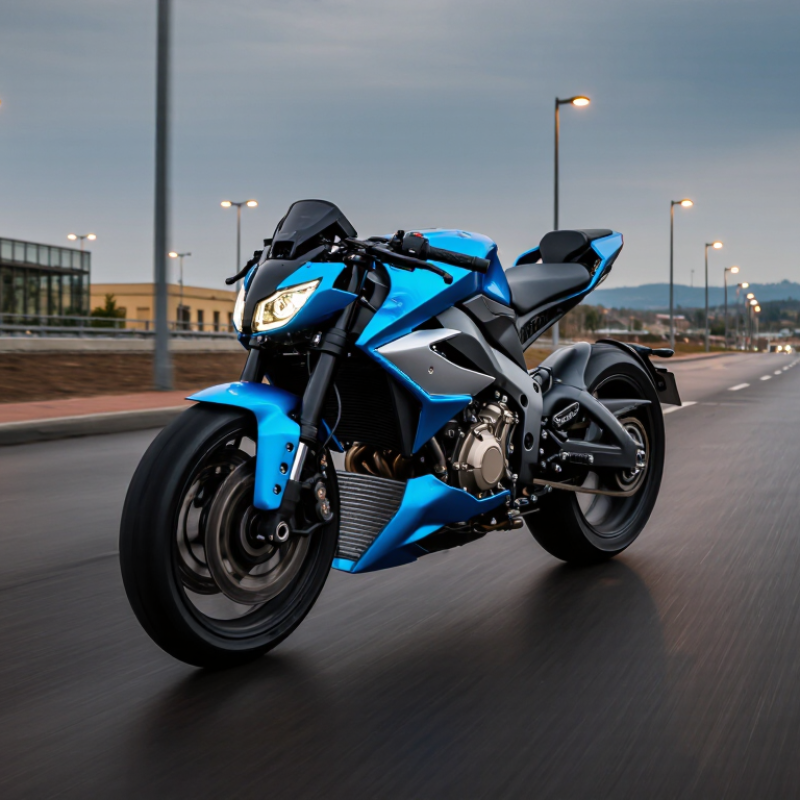
2026 Best High Power Electric Motorcycle for Global Buyers?

What Defines a High-Power Electric Motorcycle in 2026

2026 Best High Power Electric Motorcycle for Global Buyers?

What defines a high-power electric motorcycle in 2026 is not one impressive wattage figure. Buyers should examine continuous power, peak power, torque delivery, battery capacity, thermal control, braking, and chassis stability. The International Energy Agency’s Global EV Outlook 2024 reports that electric two- and three-wheelers make up more than half of the global electric vehicle fleet. This growth makes clear specifications increasingly important. “High power” should never mean peak output alone.

A practical benchmark starts with sustained performance. A 15 kWh battery stores much more energy than a 6 kWh pack, but real range still depends on speed, rider weight, temperature, and aerodynamics.

During repeated acceleration, power should remain predictable instead of dropping sharply after several runs. Heat is the quiet limiter. It is easy to overlook. Battery cooling, motor temperature, inverter protection, and charging consistency deserve close inspection.

Regulation also shapes the definition. Under the European Union’s L-category type-approval framework, motorcycles above 35 kW fall into the highest performance class, while other regions use different licensing thresholds. Global buyers should therefore compare certified power, power-to-weight ratio, and road eligibility, not marketing labels.

The United Nations Economic Commission for Europe emphasizes harmonized vehicle requirements, yet local approval still varies. That gap creates confusion. A motorcycle can be technically powerful but unsuitable for a buyer’s market, charger network, or service conditions. The definition remains useful, but imperfect.

Key Performance Specifications for Global Buyers

2026 Best High Power Electric Motorcycle for Global Buyers?

For global buyers, performance begins with measurable specifications, not dramatic advertising. Check continuous motor power, peak power, and torque separately. Peak output feels exciting during short acceleration. Continuous power matters more on highways, steep roads, and hot afternoons. A practical high-power motorcycle should balance both figures.

Battery capacity is equally important. A 15–20 kWh battery may support long-distance travel, but range depends on speed, rider weight, temperature, and wind. Claimed range is never a promise. Compare tested range at a steady 90 km/h, not only an ideal urban cycle. Fast charging also needs careful review. A useful system should show charging time from 20% to 80%, connector standards, and thermal limits. Charging convenience varies widely between countries.

Look closely at braking hardware, suspension travel, tire size, and total weight. Strong acceleration is less valuable without predictable stopping control. Adjustable suspension helps when roads change from smooth highways to rough city streets. Weather protection matters too; inspect the electrical enclosure rating and corrosion resistance. Certification, service access, spare-part supply, and multilingual documentation can determine ownership quality across markets. I would also test the riding position personally. A motorcycle may look advanced but feel tiring after one hour. That weakness is easy to miss in specifications. Real-world reviews should admit uncertainty, especially when independent testing remains limited.

2026 Best High Power Electric Motorcycle for Global Buyers? - Key Performance Specifications for Global Buyers
Anonymous performance benchmarks for high-power electric motorcycles available to international buyers
Performance Category High-Power Street Long-Range Touring Performance Naked Adventure-Oriented Recommended Global Benchmark
Peak Motor Output 60–80 kW 50–75 kW 75–100 kW 40–70 kW
Continuous Motor Output 30–45 kW 25–40 kW 35–55 kW 25–40 kW
Battery Capacity 15–20 kWh 18–25 kWh 15–22 kWh 17–24 kWh
Battery Chemistry High-energy lithium-ion High-energy lithium-ion High-power lithium-ion High-energy lithium-ion
Maximum Speed 180–220 km/h 160–200 km/h 200–250 km/h 150–190 km/h
0–100 km/h Acceleration 2.8–4.0 seconds 3.2–4.5 seconds 2.2–3.5 seconds 3.5–5.0 seconds
Real-World Mixed Range 220–320 km 260–380 km 200–300 km 230–340 km
Motorway Range at 110 km/h 150–220 km 180–270 km 140–210 km 160–240 km
DC Fast-Charging Rate 50–100 kW 60–120 kW 50–150 kW 50–100 kW
Typical 10–80% DC Charging Time 25–40 minutes 25–45 minutes 20–35 minutes 25–45 minutes
AC Charging Capability 6–11 kW 6–11 kW 6–11 kW 6–11 kW
Vehicle Weight 220–270 kg 240–300 kg 205–255 kg 225–285 kg
Charging Connector Regional AC connector plus DC fast charging Regional AC connector plus DC fast charging Regional AC connector plus DC fast charging Regional AC connector plus DC fast charging
Thermal Management Liquid-cooled motor and battery Liquid-cooled motor and battery Liquid-cooled motor, inverter, and battery Liquid-cooled motor and battery
Braking Hardware Dual front disc with ABS Dual front disc with ABS High-performance dual front disc with cornering ABS Dual front disc with switchable ABS modes
Rider Assistance Traction control and riding modes Traction control, cruise control, and riding modes Lean-sensitive traction control and wheelie control Traction control, hill hold, and off-road modes
Weather Protection Basic wind protection Large fairing and adjustable windscreen Minimal wind protection Adjustable windscreen and hand guards
Ingress Protection Target IP67 battery and motor assemblies IP67 battery and motor assemblies IP67 battery and motor assemblies IP67 battery and motor assemblies
Operating Temperature Approximately −10°C to 45°C Approximately −10°C to 45°C Approximately −10°C to 45°C Approximately −10°C to 45°C
Best Use Case Daily commuting and fast road riding Long-distance travel and two-up riding Maximum acceleration and cornering performance Mixed pavement, touring, and light gravel roads
Values are realistic market benchmarks and approximate ranges rather than specifications for a particular manufacturer or model. Actual range depends on speed, temperature, rider weight, terrain, tire pressure, payload, and accessory use. Charging performance also depends on local grid voltage, charger availability, and battery temperature.

Battery Capacity, Range, and Fast-Charging Technologies

2026 Best High Power Electric Motorcycle for Global Buyers?

Battery capacity matters, but larger is not always better. A 15–20 kWh battery can support strong highway performance without excessive weight. BloombergNEF’s 2024 Battery Price Survey reported an average lithium-ion pack price of 115 dollars per kWh. Motorcycle packs remain more expensive because production volumes are smaller. This gap deserves attention.

Range figures need careful reading. Many tests use mild weather, low speeds, and light riders. Real-world distance may fall by 20–35% in cold weather or sustained highway riding. A practical 20 kWh model could deliver roughly 180–280 kilometers between charges. Check usable capacity, not only the advertised gross figure. That small detail changes trip planning.

Fast charging is becoming more useful. High-voltage systems can reduce current, heat, and cable size. A 10–80% charge in about 25–35 minutes is a reasonable 2026 target for premium motorcycles, when the charger supports full output. The charging curve matters more than the peak number. Power often drops after 60–70%. The IEA’s Global EV Outlook 2025 confirms rapid growth in public charging infrastructure, but motorcycle access remains uneven across regions. My concern is simple: a powerful motorcycle is only practical when compatible chargers exist along the route. Range estimates still need more independent testing.

Safety Systems, Riding Regulations, and Regional Compliance

2026 Best High Power Electric Motorcycle for Global Buyers?

Safety Systems, Riding Regulations, and Regional Compliance

A high-power electric motorcycle needs more than rapid acceleration and a large battery. Look for dual-channel braking, traction control, bright daytime lighting, and stable cornering support. A clear display should show speed, battery status, warnings, and riding mode without distracting the rider. Physical mirrors and reliable turn signals still matter in heavy traffic. Small details can prevent serious mistakes.

Regional classification often depends on motor output, speed, battery design, and registration category. One country may treat the motorcycle as a standard road vehicle. Another may require a special licence, insurance, inspection, or restricted riding area. Helmet rules, passenger requirements, daytime lighting, and noise limits can also differ. Check the transport authority before importing or riding.

Do not trust one online specification.

Ask for conformity documents, identification numbers, charging safety information, and the correct lighting configuration. Verify whether the supplied charger matches local electrical standards. A model approved for one market may need changes elsewhere. That detail is easy to overlook.

Even experienced buyers can miss updated regional rules or temporary restrictions. I would record the regulations, keep purchase documents, and confirm the vehicle’s legal status in writing. A powerful motorcycle should feel controlled, predictable, and properly documented—not merely impressive in a showroom.

How to Compare Leading Models and Choose the Right Motorcycle

Comparing a high-power electric motorcycle in 2026 requires more than reading peak horsepower figures. Ask how the motor performs after ten minutes of climbing, not only during a short launch. Continuous power, battery capacity, thermal control, and usable range reveal more about daily performance. A motorcycle that feels fast at 20 percent battery may feel very different near 10 percent.

Test the details you will touch every day. Measure charging time with your available socket, then check whether the cable reaches a garage outlet. Inspect brake feel, tire grip, suspension adjustment, seat height, and wind protection. A 240-kilometer advertised range may become 150 kilometers in cold weather, at highway speeds, or with a passenger. That gap matters.

The best choice depends on your roads and habits. Commuters may value moderate weight, simple charging, and strong low-speed control. Long-distance riders should examine battery cooling, luggage capacity, fast-charging limits, and service coverage across their region. Ask for written warranty terms, battery replacement conditions, software support, and local parts availability. These points are less exciting, but they protect ownership value.

Do not trust one test ride. Ride over rough pavement, stop repeatedly, and check the display in bright sunlight. A spreadsheet can mislead. I would also leave room for doubt: newer systems may improve quickly, while early buyers sometimes discover inconvenient charging or repair delays. Compare verified specifications with independent road tests, then choose the motorcycle that fits your real route—not an imagined perfect journey.

2026 Best High-Power Electric Motorcycle for Global Buyers

A specification-based comparison of representative high-power electric motorcycle categories. Compare peak output, real-world range, and charging time according to your riding priorities.

Higher peak power improves acceleration, while longer range and shorter charging time are more important for touring and daily use. Actual results vary with speed, temperature, rider weight, road conditions, and charging infrastructure.