10 Best Home Solar Installation Options to Save on Energy Bills?
The transition to renewable energy is becoming increasingly crucial for homeowners. In the realm of energy savings, home solar installation stands out. According to a report by the International Energy Agency (IEA), solar energy is projected to account for nearly 30% of global electricity generation by 2030. Yet, many homeowners still hesitate to switch, fearing high upfront costs and complicated installations.
Expert Mark Johnson, a leading figure in solar energy research, emphasizes, "The benefits of home solar installation go beyond savings; they provide energy independence." This perspective resonates as more households explore solar options. While incentives, such as tax credits and rebates, can ease financial burdens, not all installations are equal. Homeowners need to understand their specific needs and local regulations thoroughly.
Details such as roof orientation, shading, and local utility rates can significantly impact the efficiency of a home solar installation. Some installations yield disappointing results, leading to frustration. Homeowners must engage in due diligence, assessing various providers and technologies, to avoid common pitfalls. In an evolving energy landscape, making informed choices is paramount for long-term savings and sustainability.
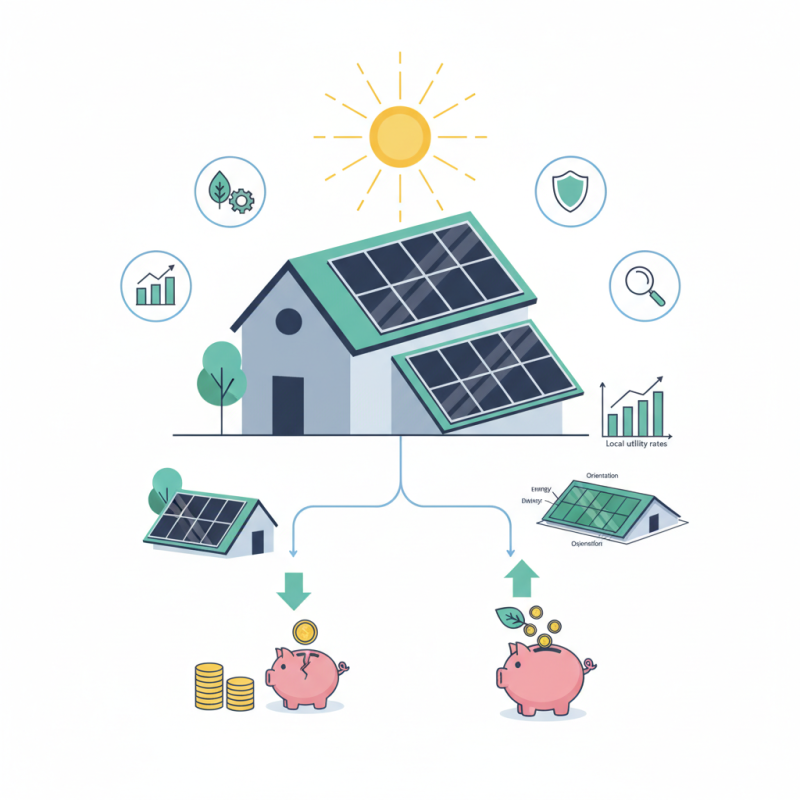
Understanding the Basics of Home Solar Energy Systems and Savings Potential
Home solar energy systems are increasingly popular. Many homeowners want to save on energy bills. Understanding the basics can help you make informed choices. Solar panels convert sunlight into energy. This can significantly reduce monthly expenses over time.
To maximize savings, consider energy efficiency first. Insulate your home properly. Use LED bulbs to lower consumption. A well-insulated home works better with a solar system. Sometimes, solar installations can seem costly upfront. However, incentives and rebates can offset initial investments. Research local programs that can help.
Tip: Assess your roof's orientation and shading. South-facing roofs typically generate more energy. Conduct an energy audit to identify your usage patterns. This can guide the size of the system you need. Not everyone will see immediate savings. Some may need to adjust habits or explore financing options. Be open to learning and adapting.
Top 10 Solar Panel Types: Efficiency Ratings and Cost-Effectiveness Compared
When considering solar panels for your home, efficiency ratings and cost-effectiveness are critical factors. There are various solar panel types available. Each comes with its unique performance characteristics and price points. Some panels excel in efficiency but might be costlier. Others are budget-friendly but may lag in production under limited sunlight.
Tip: Know your energy needs. This knowledge helps you choose the right panel that meets your requirements without overspending. For example, monocrystalline panels generally provide higher efficiency. However, they are pricier. Polycrystalline panels might appeal to those seeking a balance between cost and performance.
Think about installation costs as well. Sometimes, the cheapest panels may lead to higher long-term expenses. Be wary of hidden fees. Consider the panel’s lifespan and warranty. If you focus only on initial purchase price, you might overlook these essential details. Doing thorough research can prevent such oversights.
10 Best Home Solar Installation Options to Save on Energy Bills
This chart compares the efficiency ratings and average costs of the top 10 solar panel types available for home installation, helping homeowners make informed decisions to save on energy bills.
Factors Influencing Solar Installation Costs: Data on Average Investment Returns
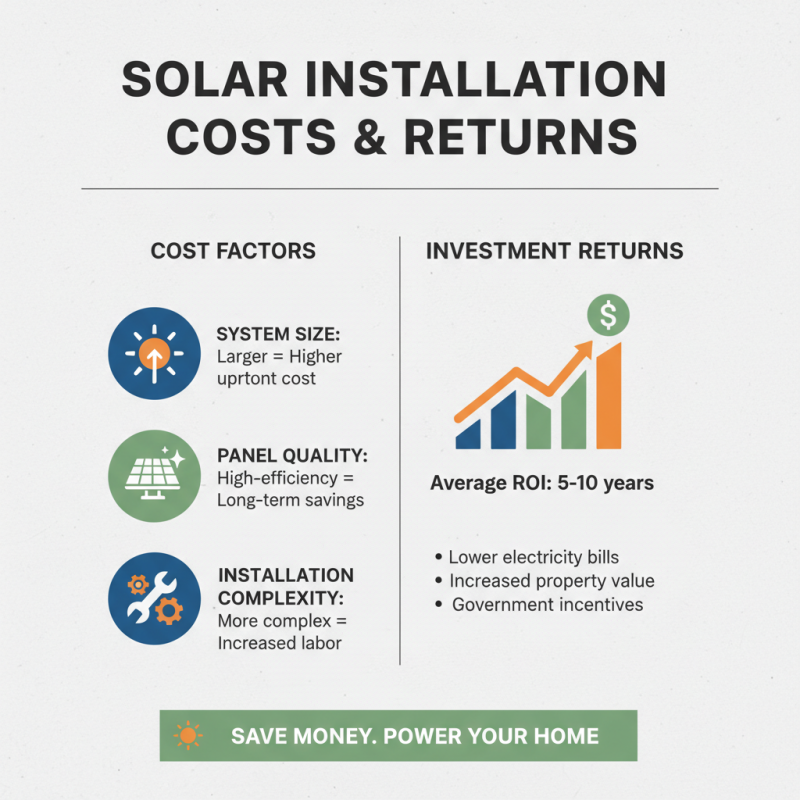
When considering solar installation, costs vary widely. Factors influencing these costs include system size, panel quality, and installation complexity. Larger systems typically require a higher upfront investment. Choosing high-efficiency panels might save money long-term.
Average returns on investment for solar energy often depend on local energy prices. Many homeowners can expect to recoup their costs within a decade. Some areas offer incentives that improve these returns. Yet, many individuals overlook hidden expenses, like maintenance or permit fees.
Home solar installations can sometimes feel overwhelming. It’s vital to research thoroughly before making decisions. Take time to compare quotes and understand what’s included. Even slight differences in estimates can affect your long-term savings. Remember, this process requires patience and careful planning.
Government Incentives and Rebates for Home Solar Installations Explained
Government incentives and rebates can significantly reduce the cost of home solar installations. Many homeowners are unaware of the financial benefits available to them. Federal tax credits can cover a substantial portion of installation costs. Some states offer additional rebates. Local programs may also provide incentives to encourage solar energy use.
Navigating these options can be tricky. It's essential to do thorough research. Each state has different rules and offerings. Some incentives may have deadlines, which adds urgency. Understanding these details can help homeowners make informed decisions.
Keep in mind that eligibility criteria vary widely. Not all equipment qualifies for incentives. The paperwork can also be daunting, and mistakes can cost time and savings. It's wise to stay organized. If you're not careful, you might miss out.
Seeking guidance from professionals can be beneficial but may incur extra costs. Balancing these factors is crucial for maximizing savings on energy bills.
Comparative Analysis of DIY vs. Professional Solar Installation Services
When considering solar installation, choosing between DIY and professional services is crucial. DIY projects offer a tempting financial advantage. According to the U.S. Department of Energy, homeowners can save up to 50% on installation costs. However, the installation demands technical knowledge and skills. A report from the National Renewable Energy Laboratory suggests that errors in DIY setups can reduce efficiency by 20%. That’s a significant loss when aiming for cost savings.
On the other hand, professional solar installers provide expert assessment and timely installation. They typically ensure optimal panel placement, maximizing sunlight capture. A study from Solar Energy Industries Association shows that professionally installed systems yield 10-15% more energy in their first year compared to DIY setups. While upfront costs may be higher, the long-term savings could outweigh initial investment.
Tip: Carefully assess your technical skills before attempting a DIY installation. It’s worth considering local regulations and available incentives for professional services. Engaging with experts can also simplify the process and improve outcomes. Investing in a skilled installation might pay off much more in energy savings over the years.