Best Ways to Get Solar Panels for Home Today?
As homeowners increasingly seek sustainable energy solutions, the importance of solar panels cannot be overstated. According to Dr. Emily Carter, a leading expert in renewable energy, "Investing in solar panels is one of the smartest choices a homeowner can make today." This is particularly true as more people look to gain energy independence and reduce monthly bills.
To successfully get solar panels for home installation, understanding the available options is crucial. Many homeowners may feel overwhelmed by technical jargon and financing models. It's important to acknowledge that not all solutions fit every household. Each home has unique energy needs and financial considerations.
Researching local incentives can be beneficial. Many homeowners miss out on financial benefits because they are unaware of available government programs. Additionally, consulting with experts can clarify what systems work best. A personalized approach can greatly increase the likelihood of a successful solar installation. Finding reliable information is paramount to navigating this solar journey.

Understanding Solar Panels: Types and Benefits for Homeowners
When considering solar panels, it’s essential to understand the types available. The two main types are photovoltaic (PV) panels and solar thermal panels. PV panels convert sunlight into electricity. In contrast, solar thermal panels collect heat for water heating. Each type offers unique benefits that cater to different needs.
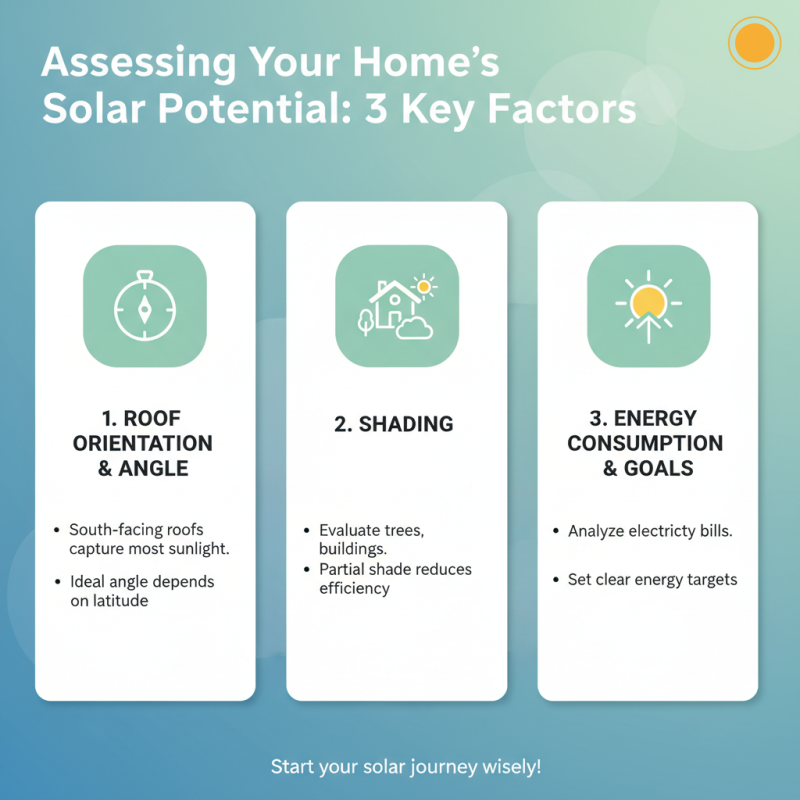
For homeowners, solar panels can significantly reduce energy bills. They harness renewable energy, cutting reliance on fossil fuels. This is not just beneficial for your wallet but also for the environment. While most solar installations are straightforward, some homeowners may face challenges. Issues such as shading from trees or roofs not suited for solar can complicate installations. It’s vital to assess your property’s suitability before investing.
Another advantage is the rise in property value. Homes equipped with solar panels often attract eco-conscious buyers. Yet, potential maintenance concerns may linger. Solar panels generally require little upkeep, but components can fail over time. Understanding these aspects will help homeowners make informed decisions.
Financing Options for Solar Panels: Loans, Leases, and Incentives
When considering solar panels for your home, financing options are crucial. Many homeowners choose loans. A loan typically requires a down payment, which can be a barrier. However, monthly payments can align with savings on energy bills. This method gives you ownership of the solar system. Yet, the responsibility for maintenance falls on you.
Leases offer a different pathway. With a lease, you don’t own the panels. Instead, you pay a monthly fee for using them. This can be cost-effective, as maintenance is usually handled by the provider. However, you miss out on long-term savings from energy bills. Some may find leases confusing, lacking ownership benefits.
Incentives significantly reduce the overall cost of solar installation. Tax credits can be appealing but vary by location. Homeowners should research available incentives thoroughly. Some states have unique programs that offer rebates or grants. Understanding these options can make solar installation more accessible and financially viable.
Choosing a Reputable Solar Installer: Tips for Homeowners
Choosing a reputable solar installer is crucial for homeowners considering solar panels. A study by the Solar Energy Industries Association shows that nearly 60% of solar complaints arise from installer issues. Picking the right contractor can prevent costly mistakes and enhance system performance.
Look for installers with strong customer reviews and an established track record. According to industry analysis, installers with over five years in business often provide better service. Ask for references and verify their work quality. Availability of warranties also indicates reliability. A robust warranty can shield you from unexpected repair costs.
Trust in the installer’s certifications. Many states require licenses and insurance for solar installation. The North American Board of Certified Energy Practitioners offers certification for professionals. Hiring certified experts ensures compliance with industry standards. Be wary of unclear contracts or vague promises. Transparency is key. Homeowners should not skip reading all documentation before signing. Taking these steps can lead to a smoother transition to solar energy.
Electricity Cost Savings with Solar Panels
Steps to Maintain and Monitor Your Solar Panel System Effectively
Maintaining a solar panel system requires attention and regular checks. Simple tasks make a significant difference.
Clean your panels regularly to remove dirt, leaves, or debris. Dust accumulation can reduce efficiency. Ensure the surroundings are clear to allow sunlight to reach the panels.
Monitoring performance is equally crucial. Use monitoring systems to track energy production. This data helps identify performance issues early. If output drops, investigate potential problems. It could be something as simple as shade from growing trees.
Routine inspections are necessary for long-term efficiency. Check for any physical damage, such as cracks or loose connections. Document these inspections and maintenance efforts. Keeping a log can provide valuable insights over time. Remember, the goal is to sustain optimal operation, but be aware that problems can arise unexpectedly.