China Top Solar Power Panels for Sustainable Energy Solutions?
As the world seeks sustainable energy solutions, solar power panels stand out as a vital resource. China, a leader in solar technology, has made significant strides in the production and efficiency of these panels. The country's focus on renewable energy reflects a commitment to environmental sustainability and energy independence.
Many consumers are drawn to solar power panels due to their long-term benefits. These panels offer a reduction in electricity bills and a smaller carbon footprint. However, navigating the vast market can be overwhelming. Quality varies widely, which raises concerns about efficiency and durability. It's crucial to conduct thorough research before investing.
China's solar power panels are known for their innovation and affordability. Yet, not all products meet the highest standards. It's essential to consider factors like warranty offerings and certifications. Relying solely on price can lead to regret. Engaging with professionals can provide insights into making informed choices. As we explore China's solar landscape, we uncover opportunities and challenges that demand careful consideration.
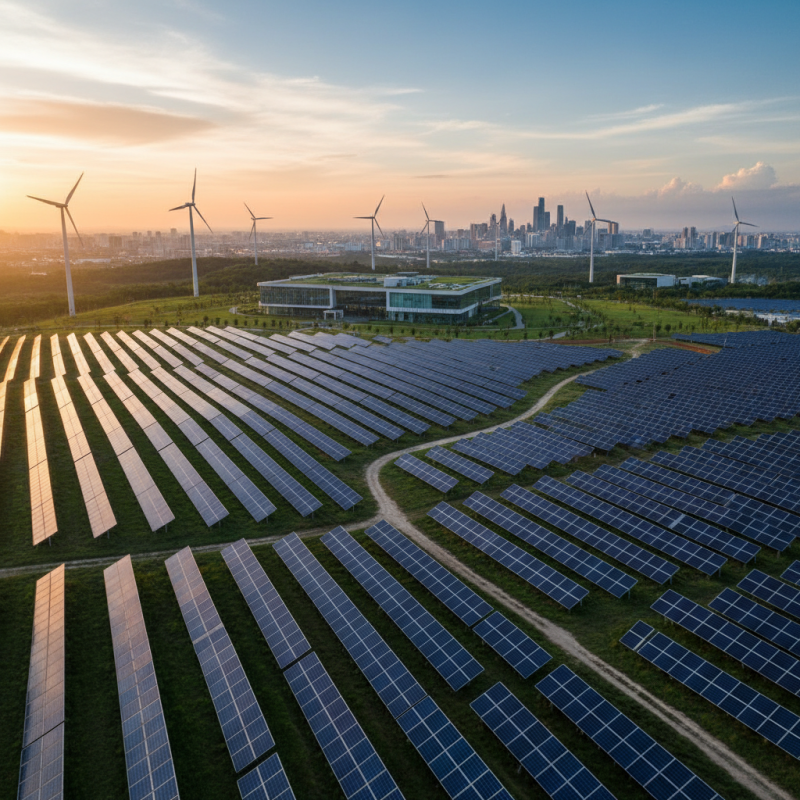
China's Dominance in Global Solar Panel Production and Export
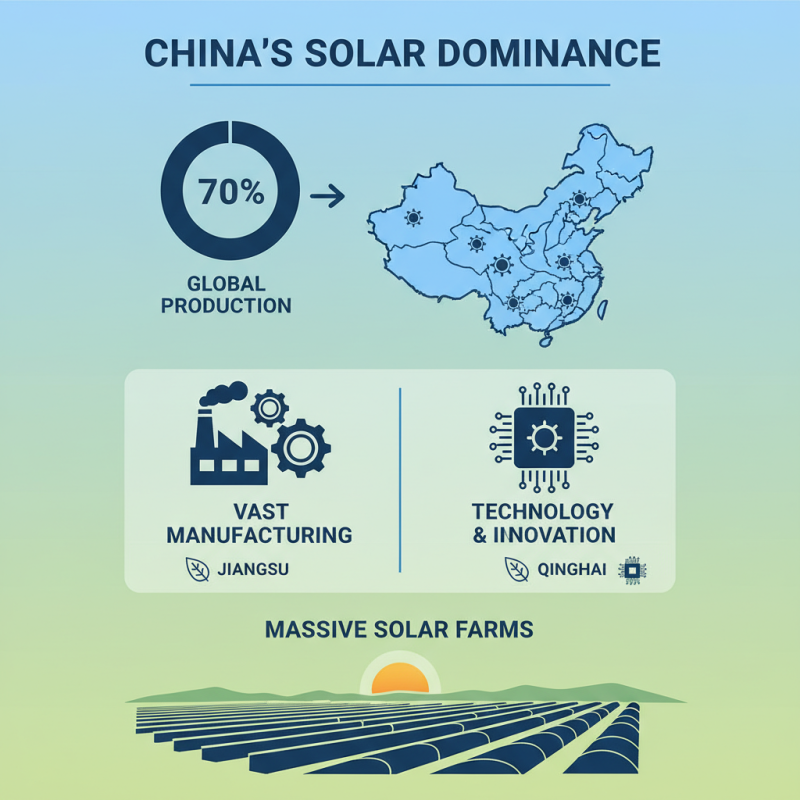
China's position in solar panel production is unparalleled. The country produces over 70% of the world's solar panels. This dominance stems from its vast manufacturing capabilities and investments in technology. Key provinces, such as Jiangsu and Qinghai, focus heavily on solar innovations. Massive solar farms dot the landscape, showcasing the scale of production.
However, reliance on Chinese solar panels raises questions. Some experts debate the environmental impacts of production processes. The production requires significant resources, leading to concerns about sustainability. Additionally, quality control can vary, as not all manufacturers maintain the same standards. Buyers must be discerning.
Despite these concerns, China's role in solar technology is vital. The country has driven down costs, making solar energy more accessible globally. Emerging markets rely on affordable Chinese panels for their renewable energy goals. As the world shifts towards sustainable energy, China's solar panels remain a central component of the transition.
Technological Advancements in Chinese Solar Panel Manufacturing
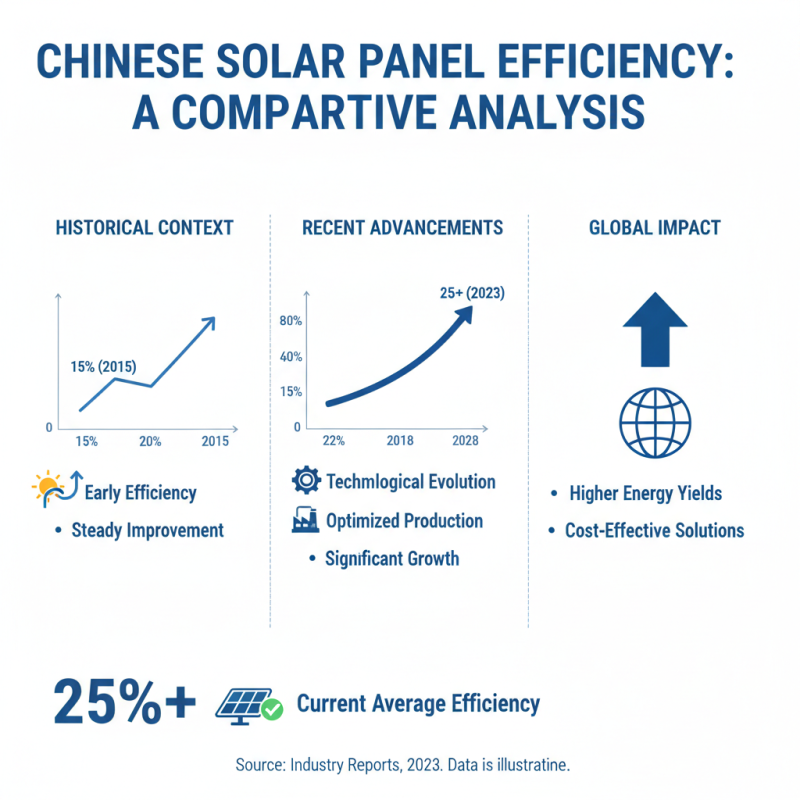
China has made significant strides in solar panel manufacturing, driven by technological advancements. In 2022, China manufactured over 70% of the world's solar panels, reflecting its dominant position in the industry. Innovations in materials, such as bifacial solar cells, enhance panel efficiency and energy output. These advancements contribute to reducing the cost per watt, making solar energy more affordable for consumers.
However, the industry still faces challenges. The rapid pace of technological change can result in inconsistent product quality. A recent report indicated that nearly 30% of solar panels had performance issues linked to manufacturing defects. This inconsistency can impact energy yields and consumer trust. Addressing these flaws is essential for long-term sustainability.
**Tips:** Always research manufacturers and check for certifications before purchasing solar panels. Investing in panels from reputable sources can minimize risks associated with quality issues. Consider integrating smart technology with solar setups to optimize energy usage and performance.
China Top Solar Power Panels for Sustainable Energy Solutions
Impact of Solar Energy Policies on China’s Sustainability Goals
China's commitment to sustainability is significantly advanced by its solar energy policies. These policies have spurred innovation and growth in the renewable energy sector. Regulations often incentivize solar installations, leading to an increase in solar power capacity. Many regions now rely on these energy sources to meet their growing demands.
However, challenges remain. The rapid expansion of solar power often strains local grids. In rural areas, infrastructure may lag behind technology, causing inefficiencies. The cost of solar panel production has decreased, but initial installation expenses can still be prohibitive for some. Policymakers must address these disparities to achieve national sustainability goals.
China's focus on solar energy reveals both strengths and weaknesses. The ambitious goals outlined benefit from robust governmental support. Yet, there is a need for more comprehensive approaches to integrate solar energy into existing systems seamlessly. Balancing growth with ecological preservation requires ongoing dialogue and innovative solutions.
China Top Solar Power Panels for Sustainable Energy Solutions - Impact of Solar Energy Policies on China’s Sustainability Goals
| Panel Type |
Efficiency (%) |
Cost per Watt (USD) |
Expected Lifespan (Years) |
CO2 Reduction (g/kWh) |
| Monocrystalline |
20.5 |
0.60 |
25 |
50 |
| Polycrystalline |
18.0 |
0.50 |
25 |
45 |
| Thin-Film |
15.0 |
0.40 |
20 |
40 |
| Bifacial |
22.0 |
0.75 |
30 |
55 |
Future Trends in China's Solar Industry and Global Energy Markets
China's solar industry is evolving rapidly. By 2022, China accounted for more than 50% of the global solar panel production. This growth is driven by government policies and technological advancements. The National Energy Administration reported a target of 1,200 GW of solar capacity by 2030. This ambitious goal highlights the country's commitment to sustainable energy.
However, challenges remain. Supply chain disruptions have affected the industry since 2020. In addition, the dependence on rare materials poses risks to production. Reports suggest that over 80% of solar cells rely on silicon. As the market grows, the need for recycling and alternative materials becomes crucial. A shift towards innovation in material science could help.
Looking at global energy markets, China's solar expansion influences pricing. The International Energy Agency predicts a drop in module prices by 2025. This could open new opportunities for developing economies. Yet, it also raises questions about market saturation. Will this lead to overproduction? The industry's future rests on balancing growth and sustainability.