How to Choose the Best Solar MPPT Controller for Your System?
Choosing the right Solar MPPT controller is crucial for any solar power system. A good controller maximizes energy production and enhances efficiency. However, many options exist, making the decision challenging.
Consider your system's size, type, and battery compatibility. Some controllers work best with specific solar panels or battery types. You may find that a popular model does not fit your needs perfectly. It’s essential to research and analyze various models. Reading user reviews can shed light on potential issues. Not all information will be accurate, so discern the facts carefully.
Connect with experts or local installers for insights. They can share their experiences, which may help you avoid common pitfalls. The right Solar MPPT controller can significantly influence your system's performance. Take your time, and don’t rush. In the end, making a well-informed choice will lead to better energy savings and reliance on renewable energy.
Understanding MPPT Controllers and Their Importance in Solar Systems
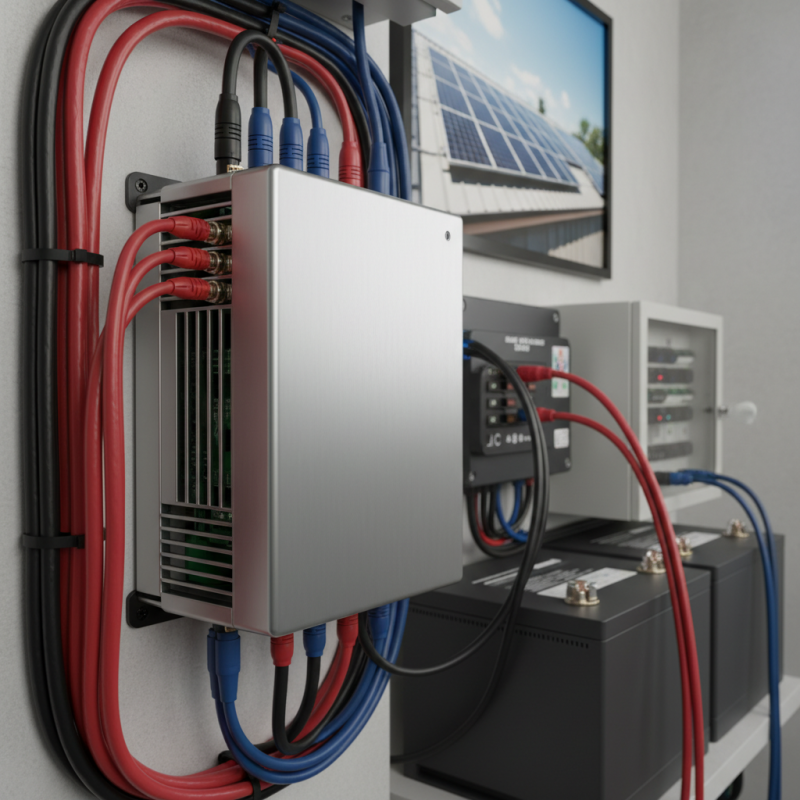
MPPT controllers, or Maximum Power Point Tracking controllers, play a crucial role in optimizing solar energy systems. They ensure that solar panels operate at their maximum efficiency, adjusting the electrical load to harvest the most energy possible. According to a report from the National Renewable Energy Laboratory, using an MPPT controller can increase energy production by 20% to 30%. This is significant. In a world increasingly reliant on renewable energy, every watt counts.
When choosing an MPPT controller, consider the system's voltage and current ratings. A mismatch could lead to inefficient performance. Users often overlook this detail. Many struggle with installation specifics, leading to underperformance. MPPT controllers operate by continuously tracking the maximum power point, ensuring real-time adjustments. This feature is especially vital in variable weather conditions, which can impact solar panel output.
Investing in a quality MPPT controller can enhance system reliability. However, not all controllers are created equal. Some may have lower efficiency ratings, which impact overall output. A study from Solar Power World highlights that a subpar MPPT can reduce energy harvest by 10% or more. Users should weigh their options carefully and be aware of potential limitations in their systems. This reflection can lead to better energy management and sustainability practices in solar energy use.
Key Factors to Consider When Choosing an MPPT Controller
Choosing the right MPPT controller is crucial for optimizing your solar energy system. One key factor to consider is the controller’s efficiency. Look for a model that offers at least 95% efficiency. High efficiency means more solar energy conversion and better performance. Consider the voltage range as well. It should match your solar panel specifications.
Another important factor is the controller’s features. Some controllers come with built-in monitoring systems. This allows real-time tracking of performance and can help in troubleshooting. The size of the system also matters. An undersized controller may lead to overheating or failure. Make sure the controller can handle your system's capacity.
Installation and user experience are often overlooked. Some controllers have complex setups that may frustrate users. Ease of installation can save time and stress. Additionally, check for customer support options. A good support system can be vital if issues arise. Sometimes, even with thorough research, the chosen controller may not meet all expectations. Being prepared for that possibility can save time and resources.
Comparing Different Types of MPPT Controllers Available on the Market
When selecting an MPPT (Maximum Power Point Tracking) controller, understanding the various types is essential. Market studies indicate that the demand for MPPT controllers is expected to grow by over 15% annually. This surge reflects their efficiency in converting solar energy more effectively than traditional PWM (Pulse Width Modulation) controllers. MPPT controllers can increase energy harvest by up to 30%, a significant advantage for solar setups.
There are several types of MPPT controllers available today. Some are designed for small-scale solar applications, while others cater to large systems. A report from the International Energy Agency highlights that versatility in voltage ranges and current ratings is crucial. Users often overlook the importance of input voltage specifications. Many controllers may not perform optimally under varying environmental conditions. This can lead to disappointing results, especially in fluctuating weather patterns.
Additionally, some users may be drawn to features like programmable settings and digital displays, which add complexity. Simplicity can sometimes enhance usability. If a controller is packed with features but difficult to navigate, it defeats its purpose. Paying attention to user feedback can offer insight into real-world performance, helping avoid costly mistakes. Among various models, weighing efficiency against usability is key in making the right choice.
Evaluating Efficiency and Performance Specifications of MPPT Controllers
When choosing a solar MPPT controller, efficiency and performance specifications are crucial. Understanding these metrics can be tricky. Many people overlook the importance of maximum power point tracking efficiency. A controller with a high efficiency rating can convert more solar energy into usable power. Look for ratings above 95%. This ensures that your system will perform optimally.
Another important metric is the voltage and current ratings of the controller. If the controller is not compatible with your solar panels and batteries, it can lead to poor performance. Check the input voltage range. Some controllers may not support high voltages, limiting system expansion. Current ratings matter too; too low may cause overheating.
It's essential to consider thermal performance, especially in hot climates. Adequate heat dissipation is vital for long-term reliability. Choose controllers with fans or heat sinks if you live in warmer areas. Also, reflect on user reviews. They often highlight real-world performance and issues that specifications may not reveal. Balancing these details creates a more effective solar energy system, but don’t forget to evaluate your specific needs.
Installation and Configuration Tips for Your Chosen MPPT Controller
When installing your chosen MPPT controller, accuracy is key. Begin by selecting an optimal location. Ensure it's shaded during peak sun hours to prevent overheating. Protect wiring from wear and tear. Proper cable management is crucial. Use conduit to safeguard against moisture and pests.
Configuration also plays a significant role. Follow the manufacturer’s guidelines carefully. Set the voltage and current limits that match your solar setup. Pay attention to the battery type. Some controllers need specific settings to charge effectively. If the parameters are incorrect, it can lead to inefficiency.
Tips: Test connections before sealing everything up. This ensures everything functions properly. Regularly check the software updates. Outdated firmware might cause performance issues. Don't overlook unexpected shadows from nearby trees or buildings. These obstacles could affect the system's overall efficiency. Regular assessments help maintain optimal performance.
