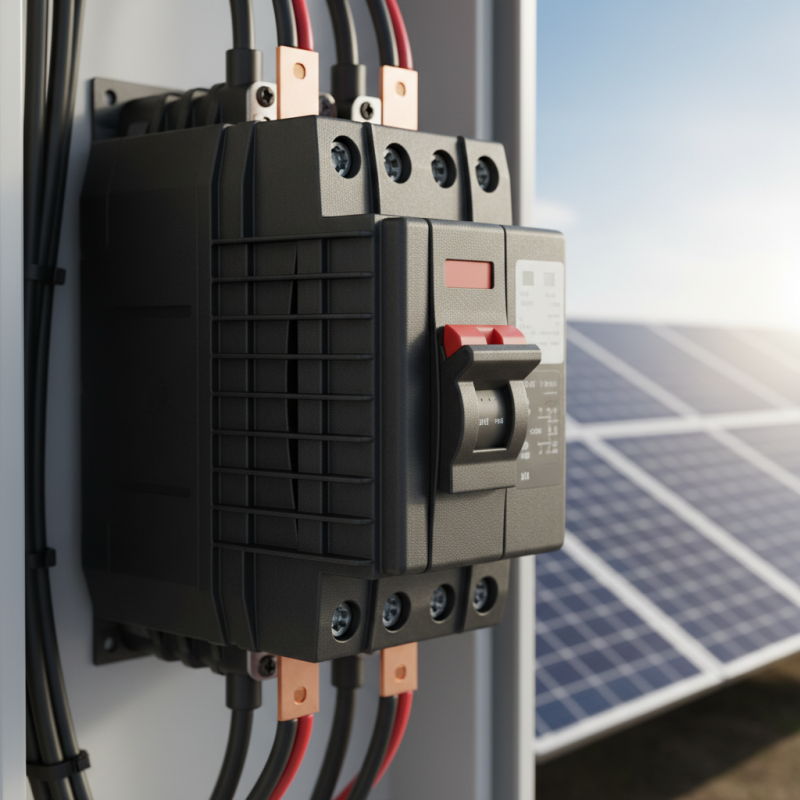
How to Choose the Right China Solar System 800V MCCB?
Choosing the right China Solar System 800v Mccb is crucial for optimal performance. The MCCB, or Molded Case Circuit Breaker, protects electrical circuits in solar systems. As renewable energy grows, proper selection ensures safety and efficiency.
Understanding power ratings and compatibility is essential. An 800V MCCB must handle high voltage with reliability. Many manufacturers can complicate the choice. Research their certifications and reputation. This reflects their commitment to quality.
Installation and maintenance are critical phases often overlooked. Choosing a trusted supplier can streamline this process. Look for specialists with proven experience in solar systems. Reflecting on their expertise can guide you toward a wise decision. Your choice impacts the sustainability of your energy solution.
Understanding 800V MCCB Specifications for Solar Systems
When selecting an 800V MCCB for solar systems, understanding specifications is essential. An MCCB, or Molded Case Circuit Breaker, is crucial for protecting solar systems. It safeguards against overloads and short circuits. Look for the interrupting capacity, which indicates how much fault current it can handle. Higher values ensure safety with power fluctuations.
Another critical aspect is the thermal performance. MCCBs need to operate effectively in varying temperatures. Choose one with a suitable temperature rating for your installation environment. It’s also valuable to examine the trip settings. Adjustable settings allow customization for different applications, catering to unique solar system demands.
Lastly, consider the physical dimensions and panel compatibility. Space constraints may limit size choices. Reliability is vital; a breakdown can halt solar energy production. Evaluating these specifications might seem overwhelming. Yet, thoughtful research leads to the best choice for safety and efficiency in solar power applications.
Key Performance Indicators for Selecting MCCBs in Solar Applications
When selecting an 800V MCCB for solar applications, key performance indicators play an essential role. The MCCB needs to have a high breaking capacity, ensuring it can handle fault currents effectively. A reliable MCCB will protect your solar system from electrical overloads and short circuits. Pay attention to the temperature rating as well; solar installations can experience significant heat variations.
Tips: Ensure your chosen MCCB complies with international standards. This compliance guarantees safety and reliability in the long term. Check for certifications from recognized testing organizations. They provide additional assurance of performance.
Another important factor is the size of the MCCB. It should match your system requirements without being oversized. Oversized breakers may lead to unnecessary costs, while undersized ones can cause failures. Evaluate your solar system's overall power requirements to find the right fit.
Tips: Consider consulting with a solar energy expert. They can provide insights on the best practices tailored to your specific needs. Always analyze the installation environment, as conditions can greatly affect the MCCB's performance and lifespan.
Evaluating Environmental Factors for 800V MCCB in Solar Installations
When assessing solar installations, environmental factors play a crucial role in selecting the right 800V Molded Case Circuit Breaker (MCCB). Solar systems often operate in varying climates, impacting equipment performance. High temperatures can cause overheating, while moisture can lead to corrosion. Understanding these conditions is vital for longevity and efficiency.
Consider the typical weather patterns in your region. If storms are frequent, choose MCCBs with enhanced protective features. This can mitigate risks from surges and water intrusion. If your area experiences extreme heat, select MCCBs with higher thermal ratings. This helps prevent premature aging and failures.
Tips for installation include ensuring proper ventilation around the MCCB. This allows adequate cooling during peak operation. Regular inspections are essential. Look for signs of wear or damage, especially after harsh weather. These proactive measures ensure reliability in your solar system’s performance. A minor oversight can lead to significant issues down the road. Choose wisely and plan thoroughly for the best results.
Comparative Analysis: Domestic vs. International 800V MCCB Brands
When selecting an 800V MCCB solar system, it's crucial to understand the differences between domestic and international brands. Domestic brands often have familiarity with local regulations. They may design products that cater specifically to the needs of the local users. This localized approach can enhance accessibility and customer support. However, they might lack advanced technology or rigorous testing processes.
International brands typically offer established reliability and innovative features. Their products often undergo stringent testing in diverse environments, which can lead to increased performance. However, there might be communication challenges or longer lead times for support. Some international brands may not tailor their offerings to meet local conditions or regulations effectively.
Choosing between these options involves evaluating your specific requirements. Consider factors like support availability, warranty terms, and technological advancements. Reflecting on these aspects can uncover which brand aligns best with your solar project’s needs. Both options have unique strengths and weaknesses, making this decision complex yet essential.
Regulatory Standards Impacting 800V MCCB Selection in China
When selecting an 800V MCCB in China, regulatory standards play a crucial role. Compliance with national and international standards is essential. The most pertinent standards include IEC 60947-2 and GB 14048.2. These guidelines ensure safety and reliability in electrical installations.
Understanding these standards can be challenging. Many manufacturers provide varying interpretations. This can lead to confusion for buyers. It’s important to consult with experts when assessing compliance. Checking for certification marks can help ensure adherence to necessary regulations.
Beyond compliance, consider application-specific needs. The 800V MCCB must withstand environmental conditions. Factors like humidity, temperature, and dust can impact performance. Regular audits of equipment can catch issues early. Not all products perform well in extreme conditions, and this requires careful assessment.
How to Choose the Right China Solar System 800V MCCB? - Regulatory Standards Impacting 800V MCCB Selection in China
| Parameter | Description | Regulatory Standard | Importance |
| Voltage Rating | The maximum voltage the MCCB can handle. | GB/T 14048.2 | Critical for safety and performance. |
| Current Rating | The rated current the MCCB can handle without tripping. | GB/T 14048.3 | Essential for appropriate system sizing. |
| Breaking Capacity | The maximum fault current the MCCB can interrupt. | GB/T 14048.2 | Crucial for ensuring protection against faults. |
| Tripping Characteristics | The type of mechanism that determines when the MCCB trips. | IEC 60947-2 | Important for application-specific requirements. |
| Environmental Conditions | The operational environment of the MCCB, such as temperature and humidity. | GB 4208 | Necessary for reliability and longevity. |
| Certification | Notable certifications that affirm compliance with standards. | CCC, CE | Vital for market acceptance and regulatory compliance. |