Why Choose Solar Power Solutions for Your Business Growth?
In today's fast-paced business environment, making strategic decisions is crucial for growth. Companies constantly seek innovative solutions to improve efficiency. One path many are exploring is investing in solar power solutions. These solutions not only reduce operational costs but also enhance brand image. They align businesses with sustainable practices, appealing to eco-conscious consumers.
Transitioning to solar power is not just about saving money. It's a step toward energy independence and reduced reliance on fossil fuels. Businesses can tap into local incentives and tax benefits, adding financial appeal. However, the shift can be daunting; initial costs and installation hurdles may provoke hesitation.
Companies that embrace solar power solutions often experience growth and improved public perception. They gain a competitive edge in their market. Yet, some businesses find it difficult to commit fully. An honest assessment of resources and long-term goals is essential. Solar power solutions can be a game-changer, but awareness and commitment are vital.

Benefits of Solar Power for Business Sustainability
Solar power solutions offer a range of benefits for businesses aiming for sustainability. Transitioning to solar energy significantly reduces operational costs. Many companies experience a 20% or more reduction in their energy bills. This financial relief allows businesses to reinvest in growth.
Embracing solar power enhances a business’s reputation. Customers are increasingly drawn to companies that prioritize environmental responsibility. Demonstrating a commitment to sustainability can improve brand loyalty. However, it's essential to acknowledge that initial installation costs can be high. The return on investment may take time to realize. This can deter some businesses from making the switch.
In addition to cost savings, solar power contributes to reducing carbon footprints. Every kilowatt-hour generated from solar helps mitigate greenhouse gas emissions. Many companies consider their environmental impact when making energy choices. Yet, some may feel uncertain about the effectiveness of solar energy in their specific situations. This hesitation is valid but can be addressed through thorough research and consultation with experts.
Cost Savings through Solar Energy Adoption for Enterprises
Solar energy presents significant cost savings for businesses. Installing solar panels can drastically reduce electricity bills. Many enterprises experience a decrease of up to 70% in energy costs. This reduction directly impacts a company's bottom line, allowing for reinvestment in growth and development.
Moreover, solar power provides long-term financial stability. Initial installation costs might seem high, but these systems often pay for themselves within a few years. After that, businesses enjoy decades of free energy. Furthermore, government incentives can offset upfront expenses, making adoption more appealing.
However, companies often underestimate the time needed for a return on investment. Transitioning to solar requires careful planning and budgeting. Businesses must consider factors like site evaluation and installation timelines. It's important to weigh potential downtime against future savings. Ensuring a smooth transition can be challenging, but the long-term benefits are undeniable.
Enhancing Brand Image with Renewable Energy Solutions
Switching to solar power can significantly enhance a company's brand image. A survey by Nielsen indicates that 66% of global consumers prefer to purchase products from sustainable brands. By adopting renewable energy solutions, businesses not only meet consumer expectations but also position themselves as industry leaders in sustainability.
Utilizing solar energy demonstrates a commitment to the environment. This can attract eco-conscious customers and foster loyalty. For instance, a 2021 report from Deloitte showed that 75% of millennials are willing to pay extra for sustainable products. Yet, companies must ensure their sustainability efforts are genuine. Greenwashing—claiming to be eco-friendly without substantial actions—can backfire, damaging credibility.
Moreover, integrating solar energy can have financial benefits. The Solar Energy Industries Association reports that the cost of solar has dropped by 82% since 2010. This affordability opens avenues for investments that can lead to growth. However, companies must remain transparent about their energy practices. Avoiding reliance on conventional energy sources can enhance long-term brand reputation. While challenges exist, the benefits of embracing solar solutions are evident.
Government Incentives and Support for Solar Energy Projects
Choosing solar power solutions can significantly impact your business growth. One compelling reason is the variety of government incentives available for solar energy projects. Many countries offer tax credits, rebates, and grants. These can help offset initial costs and reduce financial risks for businesses.
For example, businesses implementing solar installations may receive a tax credit of up to 30%. This incentive can alleviate some of the hefty upfront investments. Additionally, many states have renewable energy programs that provide grants or low-interest loans. These options make transitioning to solar much more achievable for small and medium enterprises.
**Tip:** Research local and federal incentives before committing. Each state may have varying programs that could affect your decision.
Engaging with solar energy not only showcases your commitment to sustainability but can also improve your company’s image. However, keep in mind that navigating the application processes for these incentives can be complicated. It often requires detailed documentation and deadlines that must be met.
**Tip:** Consider consulting experts. They can guide you through the procedures and ensure you maximize available benefits.
Why Choose Solar Power Solutions for Your Business Growth? - Government Incentives and Support for Solar Energy Projects
| Incentive Type |
Description |
Potential Savings (%) |
Eligibility Criteria |
| Tax Credits |
Reduces amount of tax owed based on solar investment. |
26% |
Applicable to businesses installing solar systems. |
| Grants |
Direct monetary support for solar project costs. |
Varies |
Dependent on project size and scope. |
| Loan Programs |
Low-interest loans for solar installations. |
Up to 100% |
Must meet certain credit criteria. |
| Rebates |
Cash incentives based on energy produced. |
10% - 20% |
Varies by state and project. |
| Net Metering |
Credit for excess energy generated. |
Varies |
Available in many states with solar installations. |
Long-term Growth and Investment Potential of Solar Technologies
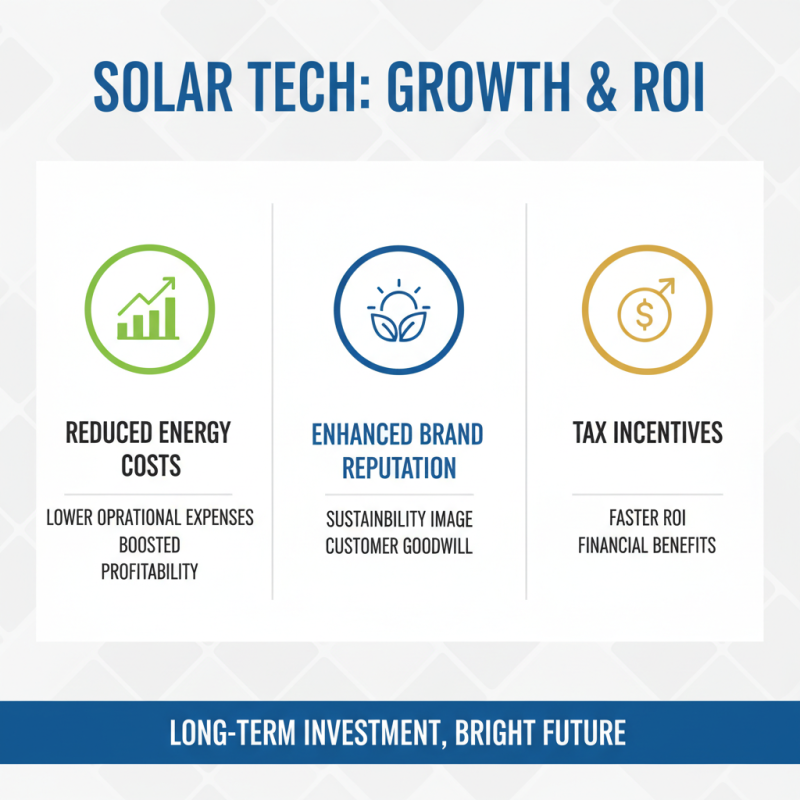
Investing in solar technologies offers significant long-term growth for businesses. A well-planned solar power system reduces energy costs and enhances brand reputation. Businesses can expect lower operational expenses over time, boosting profitability. Solar power can also provide tax incentives, further enhancing return on investment. Many companies overlook the potential financial benefits.
Sustainability is becoming crucial for consumers. Businesses embracing solar show commitment to environmental responsibility. This can attract eco-conscious customers and improve market positioning. However, some might underestimate installation costs. Initial investments can be daunting, but the long-term savings are compelling.
Additionally, solar technology is evolving. Innovations lead to increased efficiency and lower costs. Businesses that adapt will stay competitive in changing markets. Yet, not all regions have equal access to sunlight. Companies in less sunny areas must assess their options carefully. Balancing investments with realistic expectations requires thoughtful planning.