How to Choose the Best Home Solar System in 2026?
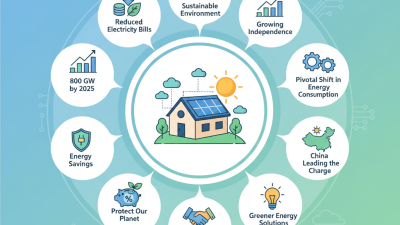
As we approach 2026, choosing the best home solar system is becoming increasingly crucial. With rising energy costs and environmental concerns, many homeowners are considering this sustainable option. A reliable home solar system can significantly reduce electricity bills. It can also provide energy independence from traditional power sources.
However, selecting the right system requires careful research. Various brands offer different technologies and financing options. Not every system will suit every home. It's important to assess your energy needs, roof space, and local regulations. This process may seem daunting, and many people make mistakes by following trends rather than facts.
Home solar technology advances rapidly. Staying updated with the latest developments is key to making an informed choice. Partnering with trustworthy solar providers adds another layer of reliability. As you explore your options, remember that informed decisions lead to fruitful investments, while overlooking details can lead to disappointment.

Understanding Solar Energy Market Trends and Projections for 2026
The solar energy market is on the brink of transformation as we approach 2026. According to a recent report from the International Energy Agency (IEA), global solar capacity could reach approximately 3,000 gigawatts by 2026, reflecting a 50% increase from 2021 levels. This growth will be driven by advancements in photovoltaic technologies and favorable policy frameworks.
Understanding regional trends is crucial. In North America, the Solar Energy Industries Association (SEIA) projects a shift towards residential solar installations. By 2026, around 25% of all new homes may incorporate solar systems. However, challenges remain. Supply chain disruptions and fluctuating component prices can impede this progress. Homeowners must stay informed and flexible to adapt to these changes effectively.
Evaluating local incentives is equally important. The Federal Investment Tax Credit (ITC) is expected to remain viable, promoting solar deployment. Yet, its eventual phasing-out may create urgency. Educating consumers about net metering policies can enhance understanding of potential savings. This market requires constant vigilance as regulations evolve.
Assessing Different Types of Home Solar Systems: Pros and Cons
When choosing a home solar system in 2026, it's essential to evaluate the various types available. Solar photovoltaic (PV) systems are popular. They convert sunlight directly into electricity. These systems are efficient, with average efficiencies reaching up to 22%. However, initial installation costs can be high, and homeowners sometimes overlook the long-term savings on electricity bills.
Another option is solar thermal systems. These systems use sunlight to heat water or air for home use. They can significantly reduce heating costs. Yet, they are less versatile and may not be suitable for all homes. A report from the Solar Energy Industries Association indicates that while these systems have lower installation costs, they often provide less overall energy savings than PV systems.
**Tips**: Consider your energy needs carefully. Assess your typical usage to determine the right system size. Regularly review the available incentives and rebates for solar installations, as these can impact your decision greatly. Don't hesitate to consult with local solar experts to get tailored advice based on your specific situation. Each home's energy needs differ, and sometimes, smaller systems provide enough coverage while reducing costs.
Solar System Types Comparison in 2026
This chart compares the efficiency of different types of home solar systems in 2026. Monocrystalline panels are the most efficient, followed by bifacial, polycrystalline, and then thin-film panels. When choosing a solar system, it's important to consider efficiency along with cost and space availability.
Evaluating Solar Panel Efficiency Ratings: What to Look For in 2026
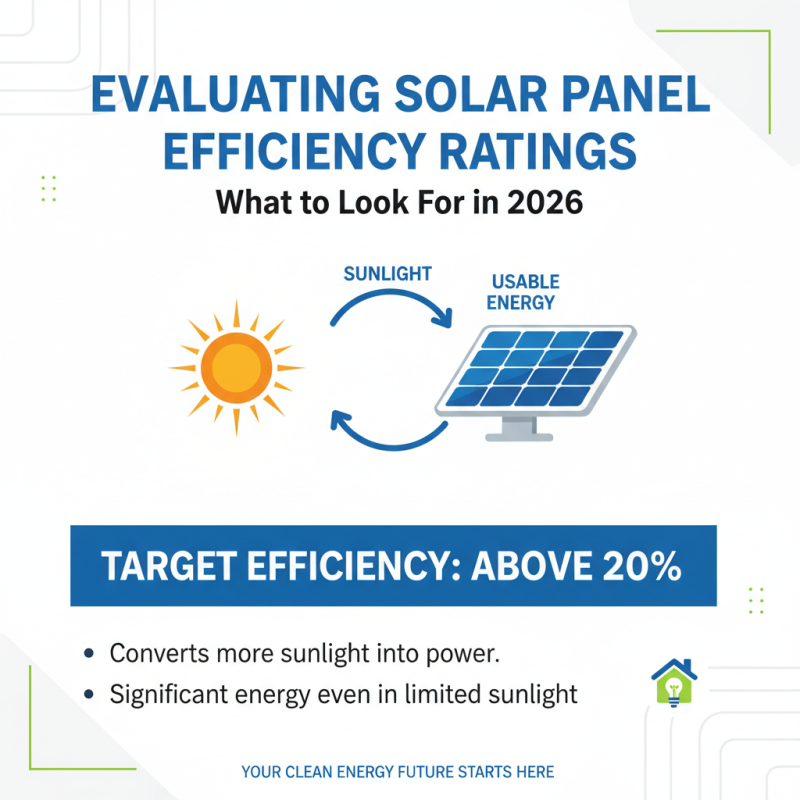
When evaluating solar panel efficiency ratings in 2026, several key factors come into play. Efficiency measures how well a solar panel converts sunlight into usable energy. Look for panels with an efficiency rating above 20%. This threshold indicates that the panel can produce significant energy even in limited sunlight.
Another crucial aspect is the degradation rate. Most panels degrade over time, losing efficiency. A lower degradation rate means your panels will retain more of their efficiency for a longer period. Consider panels with a degradation rate of 0.5% per year or less. This small detail can significantly impact long-term energy production and savings.
Also, reflect on warranty periods. A reliable warranty can signal confidence in product quality. Many manufacturers offer a 25-year warranty, which assures users of the panel's durability. While these factors are essential, don’t overlook local climate conditions. Your geographical area plays a vital role in actual performance. Understanding these variables can help formulate a more tailored choice, fitting your specific needs.
Financial Considerations: Cost, Incentives, and ROI for Solar Installation
As we approach 2026, financial considerations are more critical than ever for prospective solar system buyers. The initial cost of a home solar installation can range from $15,000 to $25,000, depending on factors like system size and local labor rates. According to the Solar Energy Industries Association (SEIA), many homeowners can expect to recover their investments within 5 to 10 years through energy savings.
Incentives will play a significant role in shaping your decision. The Federal Investment Tax Credit (ITC) offers a 26% credit for solar installations through 2022, gradually decreasing thereafter. Various states also provide rebates and tax incentives that can further reduce costs. Keep in mind that not all areas have equal incentives.
The return on investment (ROI) can vary widely. Some analyses suggest an average ROI of 10-15% for solar installations. However, this is contingent on local utility rates and the amount of sunlight your location receives. Many homeowners remain uncertain about the long-term benefits. They often question their future energy needs and potential changes in property value. These reflections are vital as you navigate your solar journey.
How to Choose the Best Home Solar System in 2026? - Financial Considerations: Cost, Incentives, and ROI for Solar Installation
| Dimension |
Details |
| Average System Cost |
$15,000 - $25,000 |
| Federal Tax Incentive |
26% of total installation cost |
| State Incentives |
Varies by state (up to $5,000) |
| Expected Lifespan |
25 years |
| Average Annual Savings |
$1,000 - $2,000 |
| Return on Investment (ROI) |
20% - 30% |
| Payback Period |
5 - 10 years |
| Net Metering Availability |
Available in many states |
Integrating Battery Storage Solutions: Enhancing Home Energy Independence
When considering a home solar system in 2026, integrating battery storage solutions is crucial. This technology helps maintain energy independence, especially during outages. A well-designed system can store excess energy generated during sunny days. This stored energy can power your home at night or during cloudy weather.
Battery systems vary in capacity and functionality. Some units offer longer-lasting power, while others prioritize quick charging. It's essential to assess your household energy needs. Understanding your daily usage helps select the best battery size. Consider factors like peak usage times and seasonal changes.
Maintenance is another aspect to ponder. Regular check-ups can extend battery life, but wear and tear are inevitable. Choosing a reliable installation service often reduces long-term issues. Researching local regulations is also necessary, as local policies can impact system performance and rebates. Solitary reliance on solar without battery storage often results in missed opportunities for full energy independence. These complexities show that creating an optimal solar system isn’t straightforward.