How to Choose the Best Small Solar Generator for Camping?
When choosing a small solar generator for camping, many factors come into play. According to renowned outdoor equipment expert and author, Mike Huber, “A small solar generator can make or break your camping experience.” His insight highlights the importance of selecting the right generator for your outdoor adventures.
The perfect small solar generator for camping should offer portability, reliability, and power efficiency. Portability is crucial because campers often hike to their sites. The generator must be lightweight and easy to carry. Additionally, reliability ensures that your device can provide power reliably during unexpected weather.
Consider your power needs carefully. Some campers may rely on their generators for small devices, while others may need to power larger equipment. Researching various models and reading user reviews can guide your decision. Remember, you may not always get it right on the first try. This journey of selection requires patience and a willingness to adapt. Embrace the process and enjoy your camping experience!
Understanding the Basics of Small Solar Generators for Camping
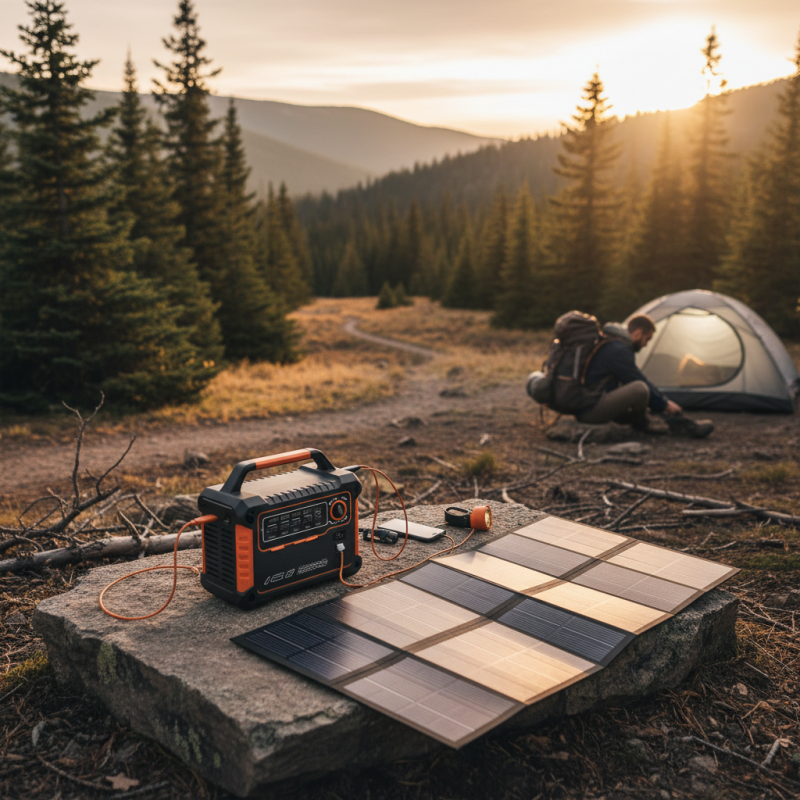
Understanding the basics of small solar generators for camping is essential for choosing the right one. These generators harness sunlight and convert it into usable energy. They come in various sizes and capacities, making it crucial to assess your power needs before making a purchase. Consider how many devices you plan to charge. This helps prevent unexpected power shortages during your trip.
Tips: Evaluate the wattage requirements of your gadgets. Calculate the total watts you need. This will guide you in selecting a generator that fits your camping lifestyle. Battery capacity is another important factor. A generator with higher amp-hours will generally last longer, but it also tends to be bulkier.
Using a solar generator can feel overwhelming at first. You might face challenges like cloudy weather or low battery storage. It's worthwhile to test your equipment at home before hitting the road. This can reveal any hidden issues and give you confidence while camping. Embracing small setbacks is part of the learning curve. Understanding your generator's limitations can create a more enjoyable camping experience.
Key Factors to Consider When Choosing a Small Solar Generator
When selecting a small solar generator for camping, several key factors play a crucial role. Battery capacity is essential. Camping trips can last for days, so generators with at least 300Wh can sustain basic electronics. Research shows that a typical portable setup needs about 200-400Wh per day, depending on usage habits.
Weight and portability are also significant. Many campers prioritize lightweight options. A generator weighing around 20 pounds offers a good balance between capacity and transportability. It’s vital to consider the solar panel output as well. A good solar generator should ideally convert sunlight at an efficiency of around 20%, which ensures faster recharging during extended outings.
Lastly, examine the inverter's output. A pure sine wave inverter is preferable for safely powering sensitive devices. Interestingly, a study indicated that 35% of solar generators fail to meet this standard. Investing time in understanding these factors can lead to a more enjoyable and reliable camping experience.
How to Choose the Best Small Solar Generator for Camping?
| Factor | Description | Importance |
| Energy Capacity | Measure of how much energy the generator can store, usually in watt-hours (Wh). | High |
| Weight | Weight of the generator, affecting portability during camping trips. | Medium |
| Solar Input | Maximum solar energy input capability, indicated in watts (W). | High |
| Output Ports | Types and number of output ports available for devices (USB, AC, DC). | Medium |
| Recharge Time | Time taken to fully recharge the generator using solar panels. | Medium |
| Durability | Resistance to outdoor conditions like weather and physical impact. | High |
| Price | Cost of the generator, which should fit the budget without compromising quality. | High |
Comparing Power Output and Capacity for Camping Needs
When selecting a small solar generator for camping, understanding power output and capacity is vital. Research indicates that a typical camping setup may require approximately 200-600 watts of power. This range is essential for running basic equipment like lights, small coolers, and charging gadgets. A generator with a higher wattage can support more devices simultaneously, which could enhance your comfort while outdoors.
Capacity, measured in watt-hours (Wh), also plays an important role. The average camper might need about 300-600 Wh daily for basic activities. For instance, if you plan to run a 50-watt LED light for five hours, that will consume 250 Wh. This means a generator rated at 500 Wh would adequately cover your lighting needs, leaving room for phone charging or other devices. It's important to consider these numbers when evaluating potential generators.
However, finding the right balance can be tricky. Some models claim higher outputs but may not sustain them efficiently over long durations. Potential users should examine performance data and customer reviews. Look for reliable insights on battery life and efficiency. This approach will guide you to a generator that meets your camping needs without disappointment.
Evaluating Portability and Weight for Easy Transportation
When selecting a small solar generator for camping, weight and portability are crucial. A lightweight model can be easily carried on hikes or during long treks. Look for options that weigh under 20 pounds; this ensures manageable transportation. Compact designs can fit snugly in backpacks or car trunks, allowing for flexible packing.
Evaluate the dimensions too. A small footprint makes it easier to set up in tight camping spots. Some generators even feature built-in handles for convenient carrying. However, lightweight models might sacrifice battery capacity. Consider how long you plan to camp off-grid and balance weight with power needs.
Not all portable units are user-friendly. Some require complex setup, while others have limited charging options. Read reviews for insights on real-world usability. Understanding power output and charging capabilities is essential. Portable doesn’t mean functional if it can't power your devices efficiently. Take notes on performance during your initial trips to identify any shortcomings. Adjust your choice based on practical experience.
Assessing Budget and Price Range for Small Solar Generators
When selecting a small solar generator for camping, budget plays a crucial role. Start by evaluating how much you're willing to spend. Prices can vary significantly, ranging from a few hundred to over a thousand dollars. A tight budget may limit your options, yet it encourages smart choices. You might find less expensive models may not meet your power needs.
It's essential to assess what features are vital for your camping activities. Higher-priced generators often come with better efficiency and more power. However, they may offer features you won’t use. Those on a budget might focus on essential functions. Reflect on whether you really need multiple outputs or advanced technology. Simplicity can sometimes be enough.
Your choice should balance price and performance. Sometimes, cheaper options can surprise you with decent reliability. Yet, investing more may yield higher efficiency and longevity, proving cost-effective in the long run. Remember, it's important to weigh each aspect carefully and consider user reviews for additional insights.
Budget Comparison of Small Solar Generators for Camping
