How to Choose Custom Brass Screws for Your Projects?
Choosing the right fasteners is crucial for any project. Custom Brass Screws offer unique advantages. They combine both functionality and aesthetic appeal. Brass screws are resistant to corrosion and tarnishing. This makes them a good choice for various environments.
When selecting Custom Brass Screws, consider your specific needs. Thread size, length, and head type are important factors. You might overlook these details, but they significantly impact performance. Customization can also address weaknesses in standard screws. Having the right screws can enhance the durability of your projects.
Understanding the manufacturing process increases reliability. High-quality custom fabrication ensures strength and longevity. Partnering with experienced suppliers can provide peace of mind. Ultimately, investing in the right Custom Brass Screws elevates your work quality. It reflects your commitment to excellence and attention to detail.
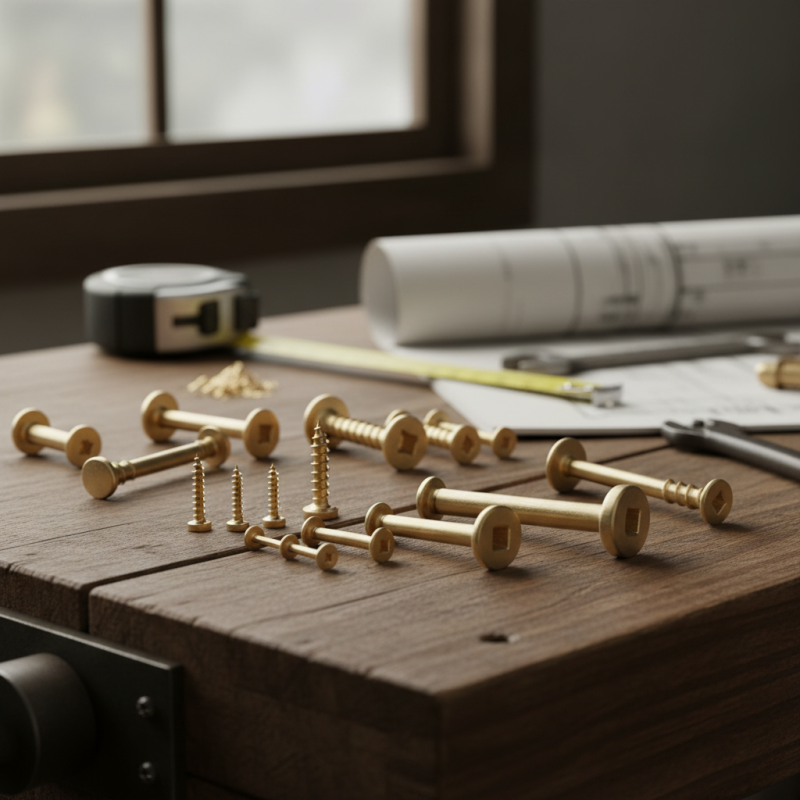
Understanding the Different Types of Custom Brass Screws Available
When selecting custom brass screws for your projects, understanding the different types is crucial. Brass screws come in various grades, configurations, and finishes. For example, the most common types of brass screws include machine screws, wood screws, and self-tapping screws. Each type serves special functions and purposes.
The mechanical properties of brass, such as its corrosion resistance and durability, make it a favored choice. According to industry data, approximately 30% of all fasteners are brass due to their versatility. Machine screws often feature a uniform diameter and are used in electronic devices. Wood screws, on the other hand, are tailored for woodworking applications and typically feature sharper threads for easier penetration.
Finishes also play a significant role in screw selection. Brass screws can be polished, satin, or even plated to enhance appearance and protect from tarnishing. Reports indicate that screws with protective coatings exhibit a lifespan increase of up to 50%. However, choosing the right screw may involve trade-offs. The finish may affect adhesive properties or compatibility with other materials. Understanding these nuances is essential to achieving project success.
How to Choose Custom Brass Screws for Your Projects?
| Screw Type | Head Style | Diameter (mm) | Length (mm) | Thread Type |
| Machine Screw | Flat Head | 5 | 20 | Fine Thread |
| Wood Screw | Pan Head | 8 | 30 | Coarse Thread |
| Self-Tapping Screw | Hex Head | 6 | 25 | Self-Drilling |
| Set Screw | Cup Point | 4 | 10 | No Thread |
| Anchor Screw | Round Head | 10 | 40 | Mixed Thread |
Key Factors to Consider When Selecting Custom Brass Screws
When selecting custom brass screws, several key factors play a crucial role. The intended application significantly influences your choice. For example, outdoor projects may require screws with added corrosion resistance. You might need standard sizes, but customization allows for unique dimensions. Evaluate the specific requirements of your project.
Material quality is vital. Brass screws come in different grades. Higher-quality brass offers better durability and performance. It is wise to check material certifications when you are unsure. This attention to detail can save you from future issues, such as rusting or breaking.
Here's a tip: always consider the thread design. Different threads provide varying levels of grip. Fine threads work better for softer materials, while coarse threads excel in harder surfaces. Think about how the screws will interact with your materials. Test a few options to see what fits best.
In addition, surface finish matters. A polished finish may look attractive, but it could slip more easily. An unfinished screw might provide better grip but can tarnish quickly. Balancing aesthetics and functionality enhances your project's success. Reflect on how these choices align with your project goals.
Evaluating the Strength and Durability of Brass Screws for Projects
When selecting brass screws, strength and durability are critical factors. Brass is known for its excellent corrosion resistance. This makes it suitable for various environments. According to industry studies, brass screws typically hold up well in marine applications due to their resistance to seawater corrosion. They resist rust effectively compared to steel.
Another important aspect is the tensile strength of brass. Tests reveal that brass screws have a tensile strength ranging from 60,000 to 70,000 psi. This is adequate for most construction projects but may not be reliable for heavy-duty applications. Users must weigh the load requirements against the screw's strength. Using brass screws where high tensile strength is paramount may lead to complications.
Additionally, it's essential to consider the potential for galling. Brass does have a softer composition than stainless steel, which can lead to issues under specific conditions. Selecting the right thread design and ensuring adequate lubrication can mitigate these risks. Therefore, while brass screws excel in many areas, users need to assess their project’s unique demands. Understanding both the advantages and limitations of brass screws is crucial for making informed choices.
Customization Options for Brass Screws: Sizes, Threads, and Finishes
When selecting custom brass screws, focusing on sizes, threads, and finishes is crucial. The right dimensions can significantly affect your project. According to industry reports, 70% of failures in fastening applications stem from incorrect screw size. Standard sizes may not always suit your needs. Custom options allow for precise specification, helping to prevent issues during assembly.
Threads are equally important. Choosing between coarse and fine threads depends on the materials being joined. Coarse threads grip better in softer materials like wood, while fine threads suit harder materials. Studies show that improper thread selection can lead to a 30% reduction in tensile strength. Engaging with a manufacturer experienced in screw customization can help you select the best threading for your application.
Finish is where you can impart durability and aesthetics. Options include polished, brushed, or antique finishes, which can enhance corrosion resistance and visual appeal. The choice of finish should align with the environment in which the screws will be used. For instance, polished finishes may reduce friction but can also show wear quickly. Understanding these nuances can inform your final decision.
Tip: Always request samples before committing to a large order. It helps assess the feel and appearance. Make sure to ask about the manufacturing process; consistency is key. Additionally, reviewing industry standards can improve both safety and performance in your projects.
Cost Considerations and Sourcing Custom Brass Screws for Budget Projects
When considering custom brass screws for budget projects, cost is often a primary concern. The price of custom brass screws can vary significantly based on factors such as size, design complexity, and quantity ordered. It's important to evaluate your specific project needs carefully. Opting for a bulk order might reduce costs per unit but requires upfront investment. Balancing quality and price is critical to avoid costly mistakes later.
Sourcing these screws also demands attention. Engaging with reliable suppliers is essential. Research potential vendors to understand their reputation and service offerings. Inquire about their manufacturing processes and materials used. However, not all lower-priced options meet necessary quality standards. This is a common challenge that can compromise project outcomes. Be prepared to negotiate or adjust your specifications based on available budget. Sometimes, initial savings can lead to higher expenses down the road if the screws fail to perform.
