Why Choose Solar Power for Home Energy Needs?
As homeowners seek sustainable energy solutions, the popularity of solar power for home applications continues to rise. According to the Solar Energy Industries Association (SEIA), the residential solar market grew by 26% in 2022 alone. This increased interest underscores a shift toward environmental responsibility and energy independence. Experts predict that by 2025, residential solar installations could exceed 25 million homes in the United States.
Scott Gordon, a leading analyst in renewable energy, states, “Investing in solar power for home use is not just about savings; it's about making a conscious choice for our planet.” This sentiment resonates with many individuals who consider solar energy a viable alternative to traditional power sources.
However, the transition to solar is not without its challenges. Upfront costs can deter some homeowners from making the change. Additionally, not every home is suited for solar installations due to structural limitations or shading issues. Still, the long-term benefits often outweigh these concerns, as solar power significantly reduces electricity bills and carbon footprints. It represents not just a smart investment, but an essential step towards a greener future.

Benefits of Solar Power for Residential Use
Solar power offers numerous benefits for residential use, making it an attractive option for homeowners. According to the National Renewable Energy Laboratory, residential solar installations have grown by over 40% annually in recent years. This surge is largely due to the decreasing costs of solar technology. Homeowners can save significantly on electricity bills. In many cases, these savings can cover the initial investment within just a few years.
Environmental benefits are another crucial factor. The U.S. Environmental Protection Agency states that solar energy can reduce your carbon footprint substantially. By choosing solar power, a typical home can prevent about 100 tons of carbon dioxide emissions over 30 years. This impact on the environment is compelling for many homeowners. There is a clear desire to contribute to a sustainable future. However, potential buyers should also consider the variance in local regulations and incentives. Each area has different policies, which can affect the financial payoff.
Homeowners often face challenges when transitioning to solar energy. Some may encounter installation issues or the need for roof upgrades. Additionally, not every home is ideal for solar panels. Shading from nearby trees or buildings can limit efficiency. Despite these challenges, many find that the long-term advantages outweigh the potential drawbacks. Exploring local regulations and consulting with experts can make the process smoother.
Cost Savings: Analyzing Solar Energy Expenses vs. Traditional Energy
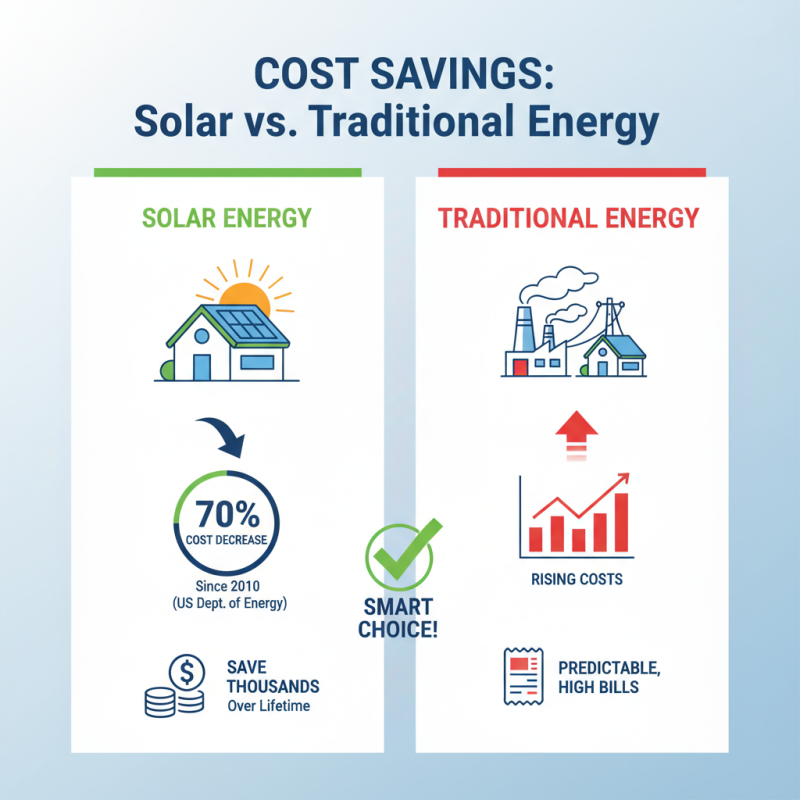
Solar power presents a compelling case for homeowners seeking cost-effective energy solutions. According to a report from the U.S. Department of Energy, the average cost of residential solar installations has dropped by over 70% since 2010. This substantial decrease makes solar energy a viable alternative to traditional electricity sources. In many regions, solar power can save homeowners thousands of dollars on their energy bills over the system's lifespan.
Analyzing solar energy expenses reveals fascinating insights. A typical solar installation can cost anywhere from $15,000 to $25,000 upfront. However, homeowners can often recoup these costs through federal tax credits and state incentives. On the other hand, traditional energy prices can be volatile, often rising annually. The Energy Information Administration reports that electricity prices have increased by 15% over the past decade. This discrepancy highlights the financial benefits of solar energy, even if the initial installation seems daunting.
Nevertheless, a thoughtful approach is necessary. Not all homes are suitable for solar panels. Factors like roof orientation, shading, and local regulations can affect efficiency and overall savings. Moreover, the technology itself is still evolving, and some homeowners may experience unexpected maintenance costs. A thorough analysis of energy needs and potential solar options is crucial to making an informed choice.
Environmental Impact: Reducing Carbon Footprint with Solar Energy
Choosing solar power for home energy brings several benefits, especially in managing our environmental impact. One of the most significant advantages is the reduction in carbon emissions. Traditional energy sources rely heavily on fossil fuels. These fuels emit harmful gases that contribute to climate change. By switching to solar, you can decrease your carbon footprint significantly.
While installing solar panels requires an upfront investment, many households find it costs less over time. Solar energy is renewable and abundant. Additionally, every home that utilizes solar contributes to a cleaner planet. It is essential to consider that not all locations receive the same amount of sunlight. Homeowners must evaluate their specific situations carefully.
Tips: Look for local incentives that promote solar energy use. Research financing options that can ease initial costs. Assess your roof's orientation and shading, as these factors can greatly influence energy production. If your roof isn't ideal, ground-mounted systems can be an effective alternative.
Incentives and Rebates: Financial Support for Home Solar Installations
Home solar installations are becoming increasingly popular. Many homeowners are unaware of the financial support available to them. Incentives and rebates can significantly reduce the initial costs of solar panels. Both federal and state programs offer varying levels of support. Some locales provide tax credits that can offset installation expenses. Others have cash rebates for solar system purchases.
Navigating these financial opportunities can be challenging. Many homeowners may miss out on potential savings. Researching local policies is essential. Consulting with solar energy experts can provide clarity. They can guide homeowners through the specifics. Additionally, some utility companies offer incentives for switching to solar. Understanding these options ensures that you maximize potential rebates.
It's important to recognize that not all programs are the same. Variability exists depending on location and energy needs. Homeowners should review their eligibility for different incentives. Periodically, these programs may change, and staying informed is crucial. The effort to understand these financial aspects can lead to a substantial reduction in costs.
Why Choose Solar Power for Home Energy Needs? - Incentives and Rebates: Financial Support for Home Solar Installations
| Incentive Type |
Description |
Potential Savings |
Eligibility Requirements |
| Federal Tax Credit |
A federal tax credit allows homeowners to deduct 26% of the cost of solar panel installation from their federal taxes. |
Up to $6,500 |
Must install solar panels from a qualified installer. |
| State Rebates |
Many states offer cash rebates for solar energy systems, reducing upfront costs. |
Ranges from $1,000 to $5,000 |
Varies by state; must meet specific program guidelines. |
| Net Metering |
Allows homeowners to sell excess energy back to the grid, offsetting energy costs. |
Savings vary based on energy production. |
Must have a grid-tied solar energy system. |
| Property Tax Exemptions |
Some states exempt the added value of solar installations from property tax assessments. |
Potentially thousands in tax savings. |
Varies by state and local jurisdictions. |
Installing Solar Panels: Steps and Considerations for Homeowners
Installing solar panels can seem daunting for homeowners. Understanding the steps involved is crucial. Start by evaluating your home's energy needs. Assess how much sunlight your roof receives. A professional audit can help identify the best positioning for maximum efficiency.
Once you've gathered this information, it's time to consider your budget. Solar panel installations can vary widely in cost. Look into available incentives and rebates to offset expenses. Some homeowners might face challenges in financing these projects. Doing thorough research is essential to avoid unexpected financial pressures.
Next, choose a reputable installer. Ask for referrals and check qualifications. Read reviews to gauge their reliability. Unsurprisingly, not all installation companies provide the same level of expertise. Communication is key throughout the project. Be prepared to ask questions and clarify your expectations. This helps ensure a smoother installation process and a better overall experience.
Benefits of Solar Power for Home Energy Needs