Tips for Using Solar Power for My Home Effectively?
As homeowners seek sustainable solutions, utilizing solar power for my home has become increasingly popular. This renewable energy source not only reduces electricity bills but also lessens environmental impact. However, effectively integrating solar power into your home requires careful planning and consideration.
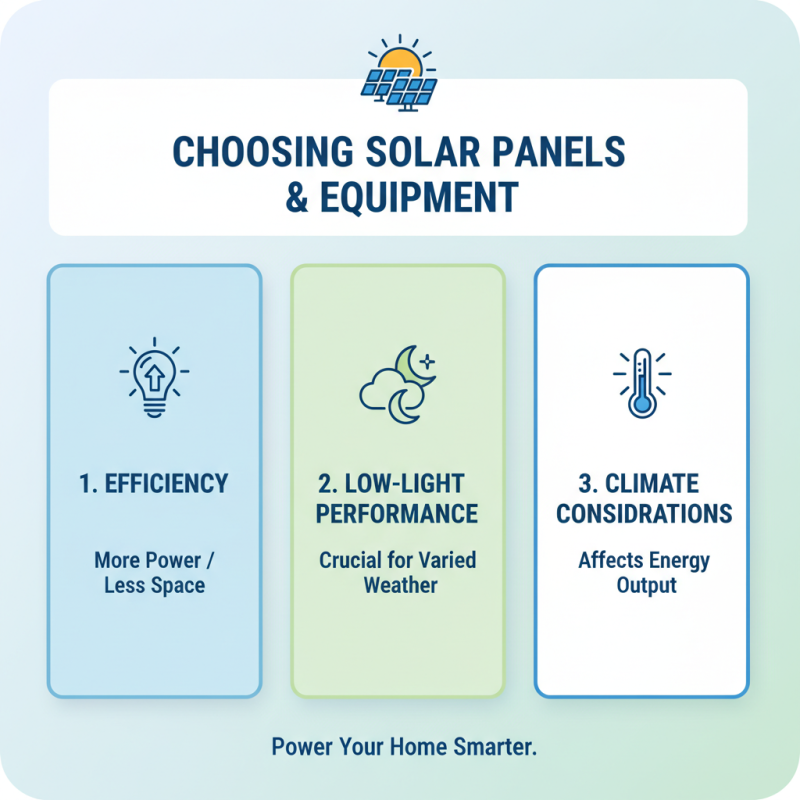
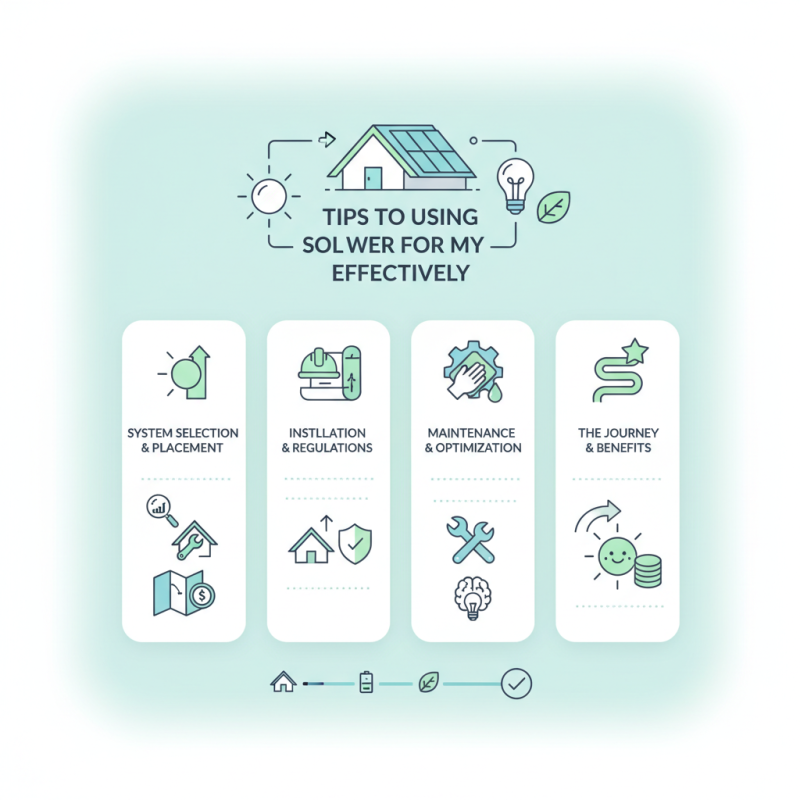
Many people underestimate the importance of system selection and placement. Choosing the right solar panels involves understanding energy needs and local climate. Moreover, installation may not be a one-size-fits-all process. Different homes have unique designs that affect efficiency. There’s also the matter of navigating local regulations and incentives, which can feel overwhelming.
Being proactive about maintenance is crucial too. Regular inspections and cleaning are necessary to keep the system working well. Mistakes can happen during installation or operation, leading to inefficiencies. Learning from these experiences is vital. Embracing solar power for my home is a journey, filled with both challenges and rewarding outcomes.
Understanding Solar Power Basics for Your Home
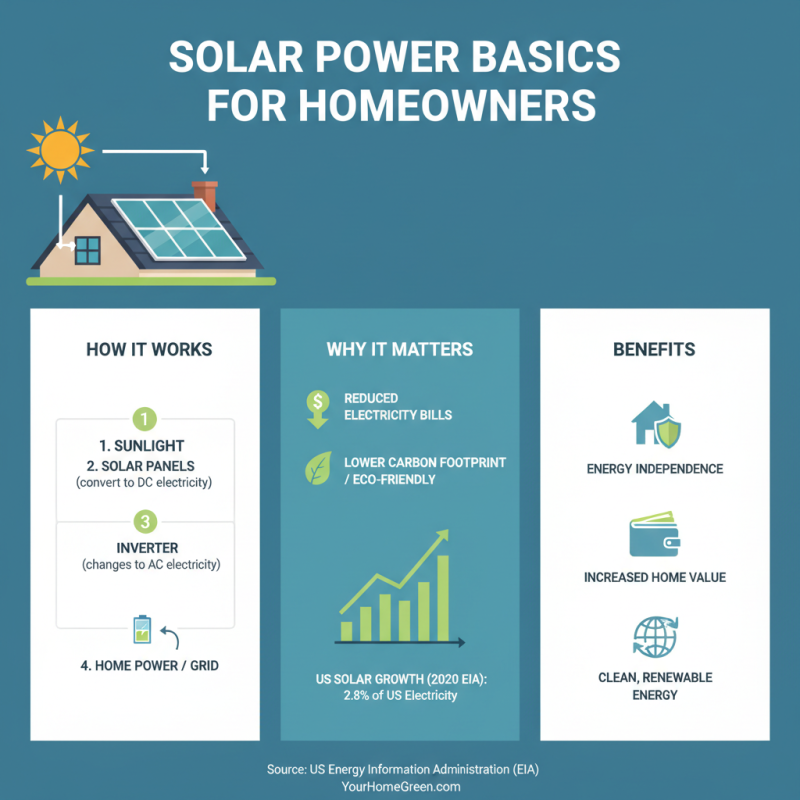
Understanding the basics of solar power is vital for any homeowner considering this energy source. Solar power harnesses the sun’s energy, converting it into electricity. According to the U.S. Energy Information Administration (EIA), solar energy accounted for about 2.8% of total U.S. electricity generation in 2020. This figure highlights a significant growth opportunity. Solar panels can reduce electricity bills and carbon footprints, making homes more eco-friendly.
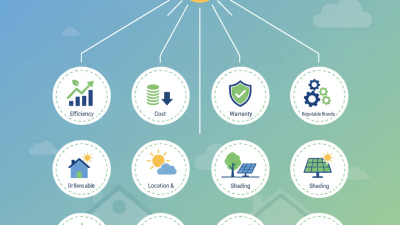
To maximize solar power efficiency, proper installation is key. Ensure your panels are positioned to receive ample sunlight throughout the day. Factors like roof angle and shading can impact performance. Consider using solar batteries to store excess energy for use during cloudy days or at night. The National Renewable Energy Laboratory suggests that optimizing solar systems can increase energy capture by up to 30%.
Regular maintenance is also essential. Many homeowners overlook this aspect, leading to reduced efficiency. Clean your solar panels regularly to remove dirt and debris. Additionally, inspect the system annually to ensure it's working optimally. Engaging a professional for these tasks ensures reliability. Remember, understanding and improving your solar power setup can lead to long-term savings and sustainability in your home.
Evaluating Your Home’s Solar Energy Potential
Evaluating your home’s solar energy potential is crucial for maximizing benefits. According to the U.S. Department of Energy, homes receive varying amounts of sunlight based on geographic location. For instance, areas like California and Arizona boast more than 6 hours of peak sunlight daily, while places such as Seattle average around 4.5 hours. Understanding your local sunlight patterns can directly impact energy yield.
Another important factor is your roof’s orientation and angle. A south-facing roof typically captures more sun. Ideally, a slope of 30 to 45 degrees promotes optimal solar exposure. However, many homes have unique shapes and materials that may influence solar efficiency. Conducting a shading analysis around your property is wise, as trees and buildings can significantly reduce solar panel output.
Consult with a solar energy expert to evaluate your specific situation. A professional can provide insights on available incentives and potential energy savings. Ensuring that you grasp the cost versus benefit is essential in deciding whether solar is right for you. Remember, each home is different, and assumptions can lead to missed opportunities or overspending.
Analyzing Solar Energy Potential in Different Regions
Optimizing Solar Power Usage with Smart Technology
Smart technology is revolutionizing how we use solar power in our homes. Integrating smart home systems can significantly enhance efficiency. According to a report from the U.S. Department of Energy, homes with smart technology can save 10-15% more on energy costs. This is critical, especially when considering the rising energy prices globally. Real-time monitoring allows homeowners to see energy consumption patterns, optimizing when to use solar energy.
By using smart thermostats, for example, you can automate your heating and cooling systems. Studies show that smart thermostats can reduce energy bills by up to 25%. They learn your schedule, adjusting temperatures automatically. This makes it easier to maximize power from solar panels during peak production times. Furthermore, energy storage solutions, such as batteries, are improving. They enable homeowners to store excess solar power for later use.
However, some challenges persist. Installation costs for these systems can be a barrier. Initial investments might not immediately lead to expected savings. Evaluating your energy bills and consumption trends is essential to determine if the investment makes sense. Not every solution fits every home. Tailoring technology to your unique needs is important for effective solar power usage.
Tips for Using Solar Power for My Home Effectively? - Optimizing Solar Power Usage with Smart Technology
| Tip |
Description |
Benefits |
Smart Technology |
| Optimize Solar Panel Placement |
Install solar panels at an angle and direction that maximizes sunlight exposure. |
Increased energy production and efficiency. |
Smart monitoring systems to track sunlight and performance. |
| Use Energy Storage Systems |
Merge solar power generation with battery storage to utilize energy at night. |
Reduced reliance on grid power and lower utility bills. |
Smart batteries that optimize charging and discharging cycles. |
| Automate Energy Use |
Schedule high-energy appliances to run when solar production is highest. |
Enhanced efficiency and savings on energy costs. |
Smart home systems that allow remote control and scheduling. |
| Regular Maintenance |
Keep solar panels clean and check for proper functioning regularly. |
Maximized output through prevention of dirt and debris buildup. |
Smart alerts for maintenance reminders and performance issues. |
| Monitor Energy Consumption |
Use smart meters to analyze your energy usage patterns. |
Identifying cost-saving opportunities. |
Real-time data and analytics provided by smart home applications. |
Maintaining and Monitoring Your Solar Power System
Monitoring and maintaining your solar power system is essential for optimal performance. Regular inspections help identify issues early. Check for dirt or debris on solar panels. Clean them gently to keep efficiency high. An accumulation of dirt can reduce output significantly. Schedule yearly professional inspections to spot potential problems.
Keep an eye on your energy production. Use monitoring systems to track daily performance. This data helps you detect abnormalities. If energy output drops, investigate possible reasons. Sometimes, simple fixes are necessary. Other times, professional help may be required.
Document each maintenance activity. While it seems excessive, this creates a performance history. You can identify trends over time. If something goes wrong, having detailed records can assist technicians. Be cautious about DIY repairs. Some issues might be more complex than they appear. Always prioritize safety when working on your system.