Why Is Solar System Installation Essential for Renewable Energy Solutions?
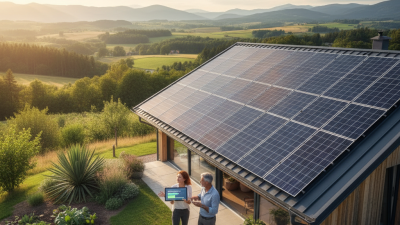
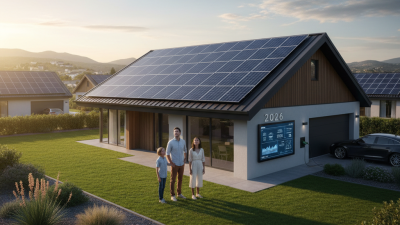
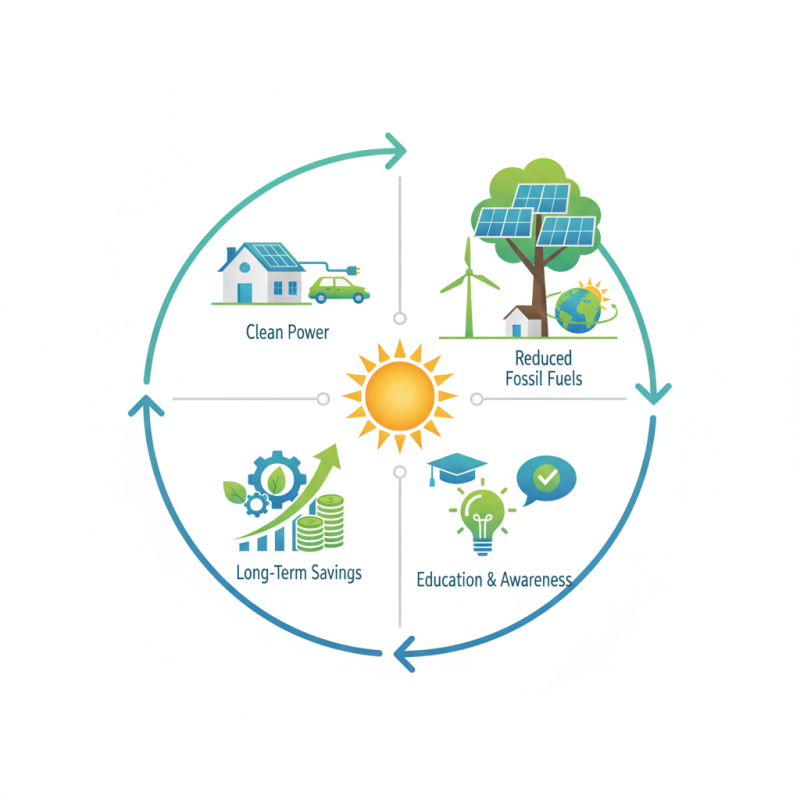
As the world faces climate challenges, renewable energy solutions are crucial. Solar energy stands out as a viable option. Solar system installation plays a key role in harnessing this energy. It provides clean power that reduces dependence on fossil fuels. Many homes and businesses have already adopted these systems. However, the transition is not seamless for everyone.
Some individuals remain unaware of the benefits. Others worry about the initial costs. It’s important to highlight that solar system installation can lead to long-term savings. Moreover, the technology has become more affordable over the years. Yet, some still perceive it as an inconvenient upgrade.
The need for education around solar energy is essential. Understanding its benefits can drive more installations. Balancing immediate concerns with long-term advantages is vital. Ultimately, embracing solar system installation can foster a more sustainable future.
Importance of Solar Systems in Achieving Renewable Energy Goals
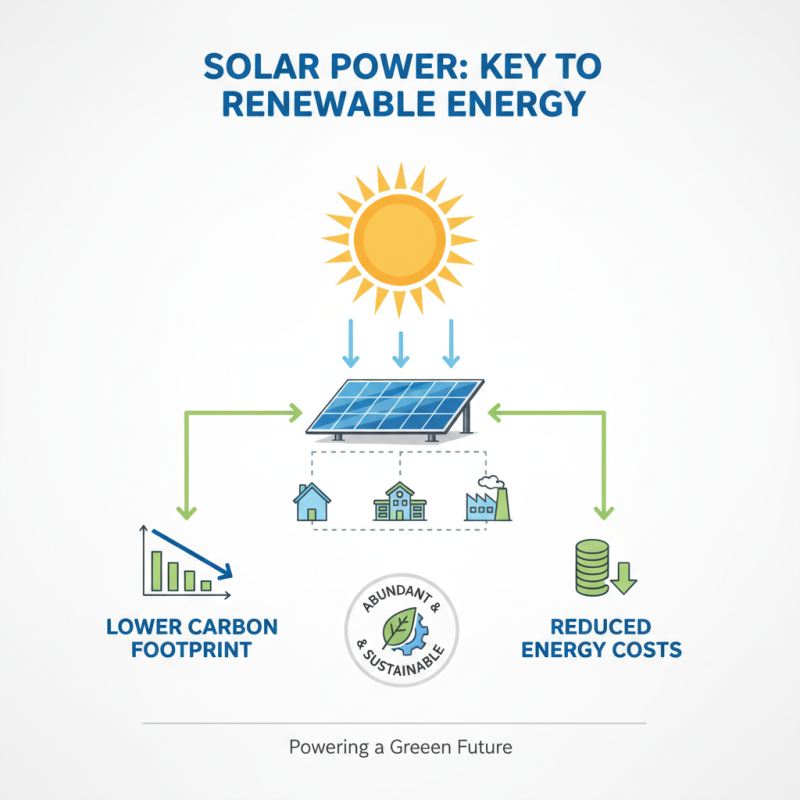
Solar systems play a crucial role in achieving renewable energy goals. They harness energy from the sun, a resource that is both abundant and sustainable. Many countries aim to reduce their carbon footprints. Solar installations contribute significantly to these targets. They can power homes, schools, and businesses, all while lowering energy costs.
Adopting solar energy is not without its challenges. Initial installation costs can be high. Some people hesitate to switch due to the upfront expense. Additionally, solar energy production varies by location and weather. This inconsistency prompts important questions about energy storage and reliability. Balancing these factors is vital for wider adoption.
Despite these hurdles, the benefits are clear. Solar systems decrease reliance on fossil fuels. They also create green jobs and boost local economies. Communities that invest in solar energy often see long-term savings and environmental gains. Finding ways to make solar more accessible should be a priority. This focus can help accelerate the transition to renewables.
Current Global Trends in Solar Energy Adoption and Capacity Growth
The solar energy landscape is evolving rapidly. Many countries are increasing their capacity for solar energy. This trend reflects a significant shift towards renewable energy. Governments are pushing for a decrease in fossil fuel dependency. Solar installations are becoming more common in urban settings. Rooftop panels on homes are seen everywhere. They capture sunlight efficiently, even in small spaces.
Global investments in solar technology are on the rise. Emerging markets are leading the way in solar adoption. Countries with abundant sunlight are seizing this opportunity. In some regions, solar energy powers entire communities. Local policies support these developments, providing incentives. Yet, challenges remain. Some areas still lack the infrastructure for installation. Financial barriers prevent widespread adoption in certain places.
It's crucial to address these obstacles to maximize potential. Education about solar benefits is vital. Many people are still unaware of solar's advantages. Community awareness can foster acceptance and enthusiasm. Visible installations can spark interest. As more families adopt solar energy, the transition to renewables becomes tangible. The growth in solar capacity signals hope, yet requires continuous effort and commitment.
Why Is Solar System Installation Essential for Renewable Energy Solutions? - Current Global Trends in Solar Energy Adoption and Capacity Growth
| Country |
Installed Capacity (GW) |
Year-on-Year Growth (%) |
Total Number of Installations |
Percentage of Renewable Energy |
| United States |
120 |
20% |
2,500,000 |
13% |
| Germany |
60 |
15% |
1,700,000 |
29% |
| China |
300 |
25% |
20,000,000 |
24% |
| India |
50 |
30% |
1,300,000 |
10% |
| Australia |
40 |
22% |
500,000 |
23% |
Economic Benefits of Solar System Installation for Homeowners and Businesses
The economic benefits of solar system installation are significant for both homeowners and businesses. Many families are turning to solar panels to reduce energy costs. They can save money on monthly utility bills over time. Furthermore, some states offer tax credits and rebates. This makes the initial investment more appealing.
Businesses can also experience savings. They often face high operational costs. Switching to solar can lower these expenses. Some companies even report an increase in property value. However, installation can be complex. Not all properties suit solar panels perfectly.
Many homeowners wonder if the investment will pay off. The truth is, there are no guarantees. However, with rising energy costs, solar can be a smart choice. It fosters energy independence but needs careful consideration. Businesses should evaluate their energy needs before installation. A well-planned approach can yield great financial returns in the long run.
Environmental Impacts of Solar Power Compared to Traditional Energy Sources
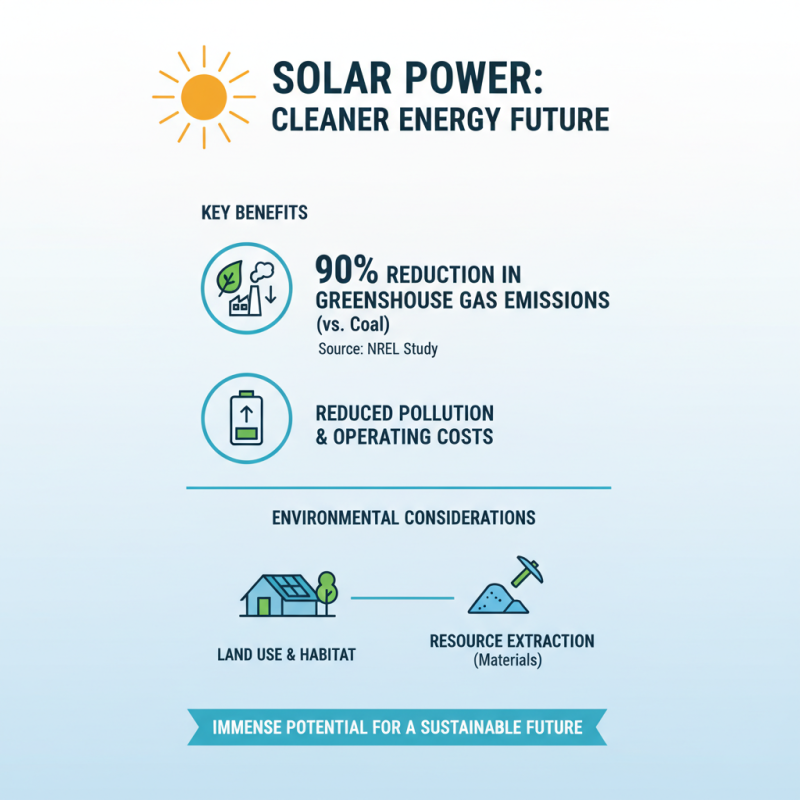
Solar power is increasingly recognized for its potential benefits over traditional energy sources. A study by the National Renewable Energy Laboratory reveals that solar energy can reduce greenhouse gas emissions by 90% compared to coal. This statistic highlights the immense opportunity for cleaner energy. However, the installation of solar systems still involves environmental considerations like land use and resource extraction for materials.
Solar panels often require mining for precious metals. This process can harm local ecosystems. The International Energy Agency (IEA) indicates that solar manufacturing can produce waste and emissions. These factors are sometimes overshadowed by the benefits. It's essential to evaluate the whole lifecycle of solar power to address these impacts properly. Research shows that when properly managed, solar energy reduces overall environmental harm significantly compared to fossil fuels.
The benefits are compelling, but challenges remain. While solar energy minimizes carbon footprints, the initial manufacturing processes must improve. How we source materials is critical. The transition to renewable energy isn’t without its flaws, but the potential gains in reducing air pollution and fossil fuel reliance present a clear path forward. Addressing these nuances is important as society moves towards a more sustainable future.
Technological Advancements Enhancing Solar System Efficiency and Affordability
Technological advancements are revolutionizing solar system installations. Enhanced efficiency and affordability are making solar power more accessible. New materials and designs are improving energy conversion rates. Solar panels now capture more sunlight with less space. It’s remarkable how technology evolves to meet energy demands.
Consider modular systems. They allow for easy upgrades as technology improves. Think about battery storage. With better batteries, you can store more energy for night use. This reduces reliance on the grid. Efficiency in installations is crucial. Use simpler designs to lower costs.
Tips: Regularly check for shading on your panels. Trees or buildings can impact energy production. Monitor your energy bills to see savings. Is your system performing as expected? Reflect on your energy consumption habits. Small changes can lead to bigger savings. Embrace the journey of solar energy. Each step counts toward a sustainable future.
Enhancing Solar System Efficiency and Affordability