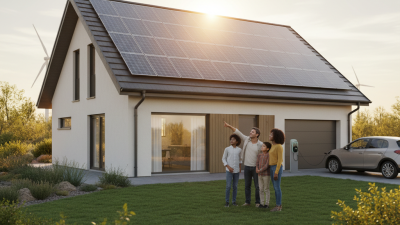
Why Should You Get Solar Panels for Your Home Now?
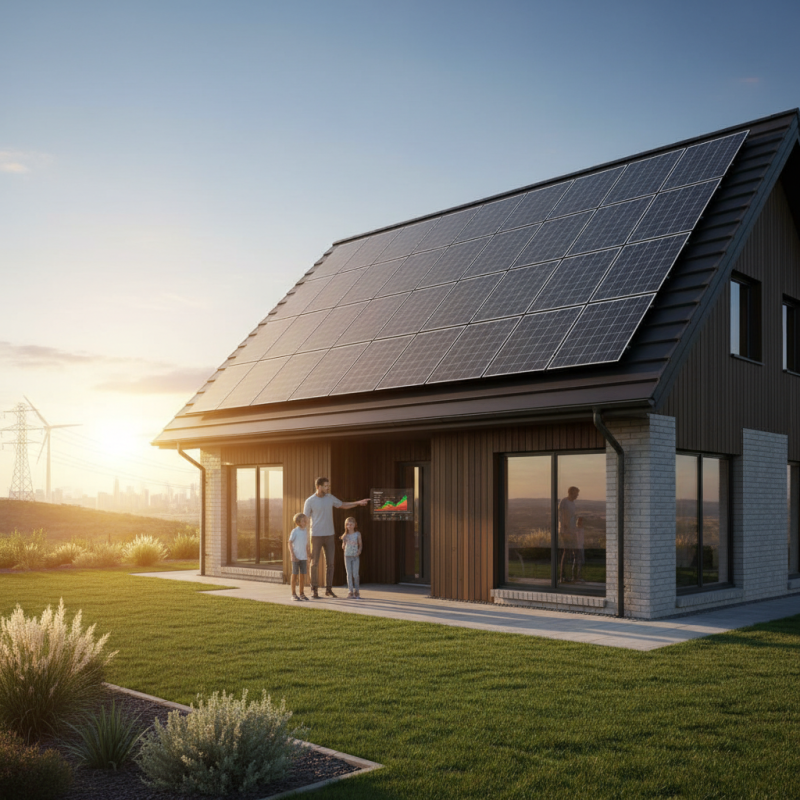
As energy costs rise, the appeal of renewable energy increases. Many homeowners are now considering options to reduce their bills. One such solution is to get solar panels for home use.
Installing solar panels offers immediate benefits. You can generate your own electricity, reducing dependency on the grid. Many families report significant savings within the first few months. Imagine a monthly bill slashed in half! However, the initial investment can be daunting. It requires careful financial planning and consideration.
Some people hesitate, worried about the maintenance or efficiency of solar panels. Questions linger about whether they will last long enough to see a return. Yet, advancements in technology have improved durability and output. Getting solar panels for home not only helps in cutting costs but also contributes to a sustainable future. It's a big step, but worth examining closely.
Understanding the Benefits of Solar Panels for Homeowners
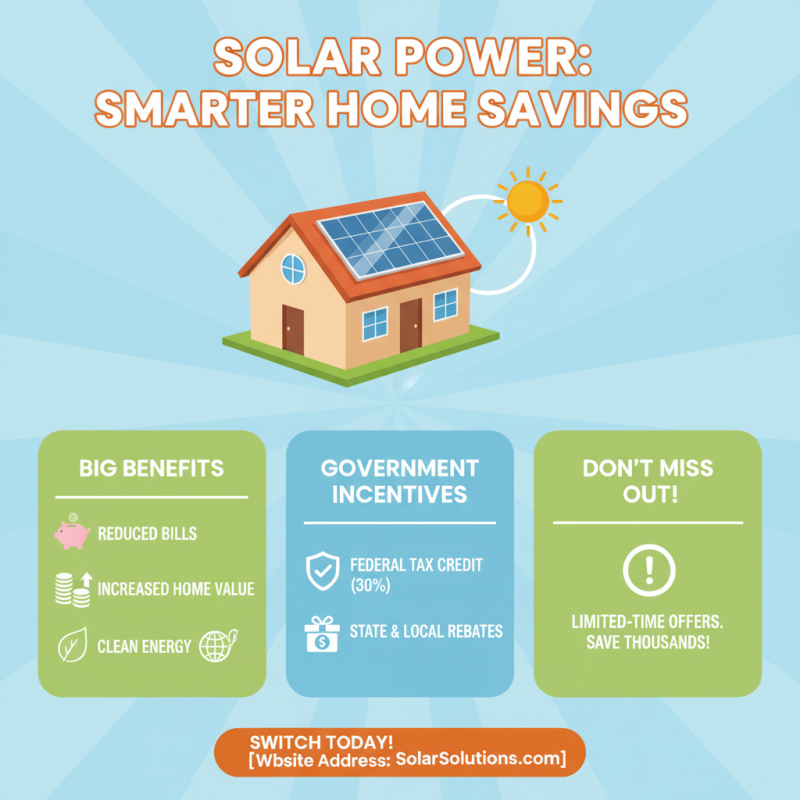
Installing solar panels at home offers numerous benefits to homeowners. One major advantage is energy cost savings. With solar panels, you can generate your electricity. Over time, this can lead to significant reductions in your monthly bills. Some homeowners report saving hundreds annually. Imagine what you could do with that extra cash.
Beyond savings, solar panels increase property value. Homes with solar energy systems often sell for more than those without. This can attract more buyers. Many are looking for energy-efficient options. However, it’s essential to consider your local market. Not every area values solar equally. It requires research and planning.
Then there’s the environmental impact. By using solar energy, you reduce your carbon footprint. This helps combat climate change. However, the production and disposal of solar panels do come with trade-offs. Responsible disposal methods are crucial. A cleaner future is desirable, but it comes with challenges. Reflecting on these issues can help make informed decisions about solar energy adoption.
The Financial Savings Associated with Solar Energy Systems
Investing in solar panels can lead to significant financial savings for homeowners. The initial cost may seem high, but consider the long-term benefits. After installation, your electricity bills can drop substantially. Some homeowners report savings of several hundred dollars each year. This reduction can add up over time, making solar panels a smart investment.
Tax incentives and rebates further enhance these savings. Many regions offer financial assistance for solar panel installations. You may find that your upfront costs decrease with these incentives. It’s essential to research local programs to take full advantage. Additionally, energy prices continue to rise. By generating your own electricity, you can shield yourself from these increases.
However, not all homes are ideal for solar energy. Factors like roof orientation and local climate play a role. Conducting a thorough analysis of your property is crucial. Sometimes, the decision to install solar panels requires deep reflection on your energy needs and financial goals. Solar energy is an exciting option, but it's not a one-size-fits-all solution.
Why Should You Get Solar Panels for Your Home Now? - The Financial Savings Associated with Solar Energy Systems
| Dimension |
Value |
| Average Installation Cost (USD) |
$15,000 |
| Federal Tax Credit (%) |
26% |
| Average Annual Savings on Electricity Bill (USD) |
$1,200 |
| Payback Period (Years) |
5-7 years |
| Increase in Home Value (USD) |
$15,000 |
| Average System Lifespan (Years) |
25 years |
| Reduction in Carbon Footprint (Metric Tons per Year) |
4-5 tons |
The Environmental Impact of Adopting Solar Technology
The adoption of solar technology significantly influences our environment. Solar panels generate clean energy, which reduces reliance on fossil fuels. According to the U.S. Department of Energy, solar energy can cut greenhouse gas emissions by up to 80%. This is crucial for combatting climate change.
Installing solar panels on homes drastically lowers carbon footprints. One solar power system can offset approximately 100 tons of carbon dioxide over its lifespan. However, the production of solar panels involves energy and resources, raising questions about sustainability.
It’s essential to consider the entire lifecycle of solar technology. The International Energy Agency states that improving recycling processes can enhance the sustainability of solar panels. However, many homeowners overlook this aspect when choosing to go solar. The potential energy savings must be balanced with environmental impacts.
Environmental Impact of Solar Technology Adoption
Innovations in Solar Panel Technology and Their Future Prospects
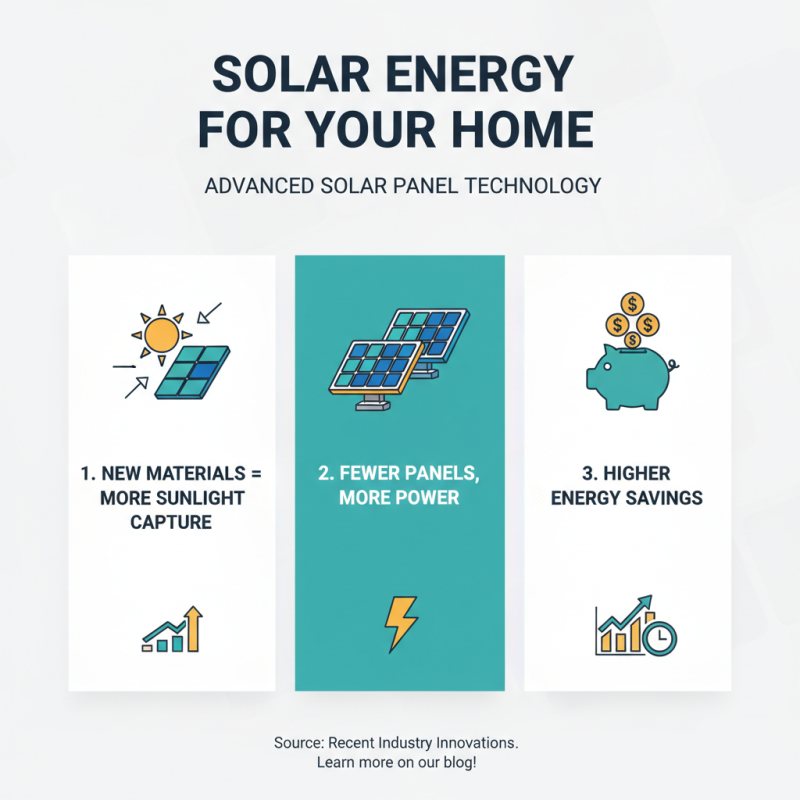
The recent advancements in solar panel technology are compelling reasons to consider solar energy for your home. New materials have emerged, allowing panels to capture more sunlight efficiently. This means homeowners can generate more energy with fewer panels. Such innovations translate into higher energy savings over time.
Additionally, the durability of solar panels is improving. Many modern panels can withstand harsh weather conditions. This durability reduces maintenance costs and increases reliability. However, the initial investment can still be daunting for many. There is a need for better financing options and incentives to make solar energy accessible to all.
In the future, solar panels may become even more integrated into building materials. Imagine solar windows or roof shingles that generate power. These innovations could make solar energy even more attractive. Yet, as technology evolves, questions about recycling old panels arise. Finding sustainable solutions is essential for a truly green future.