How to Harness Solar Power for My Home at China Import Expo?
As homeowners increasingly seek sustainable energy solutions, the potential of solar power for my home has gained remarkable attention. In China, where rapid urbanization demands eco-friendly alternatives, solar energy stands out as a key player. According to the International Energy Agency, global solar energy capacity reached over 800 GW in 2021, with expected growth of 20% annually.
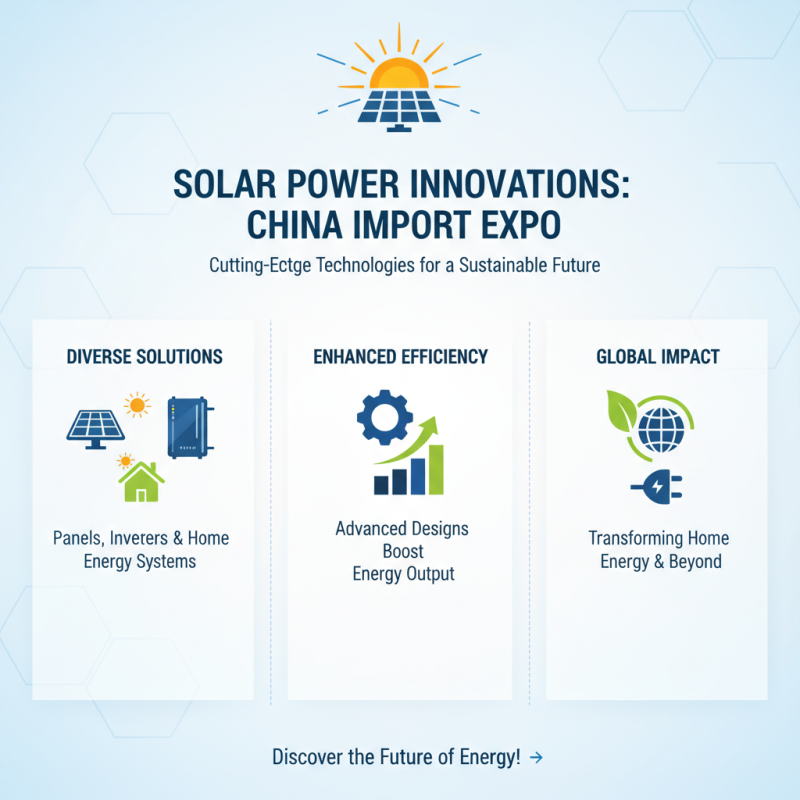
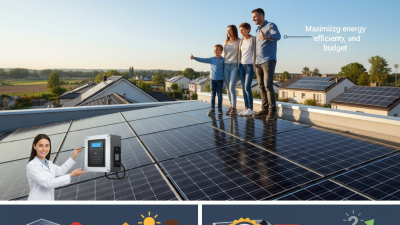
At the China Import Expo, innovative solar technologies will be showcased, offering insights on harnessing solar power for my home. Industry expert Dr. Emily Zhang highlights, “The future of energy resides in our rooftops.” This reinforces the idea that tapping into solar energy is no longer just an option; it is essential for creating a sustainable lifestyle.
The expanding solar market introduces various panels, inverters, and batteries designed to maximize efficiency and accessibility. However, challenges remain in adoption and installation. Homeowners must navigate costs and local regulations. Understanding these factors is crucial for harnessing solar power for my home efficiently. Balancing advancements with practical concerns will shape the future of residential energy solutions.
Understanding Solar Power Basics for Home Use
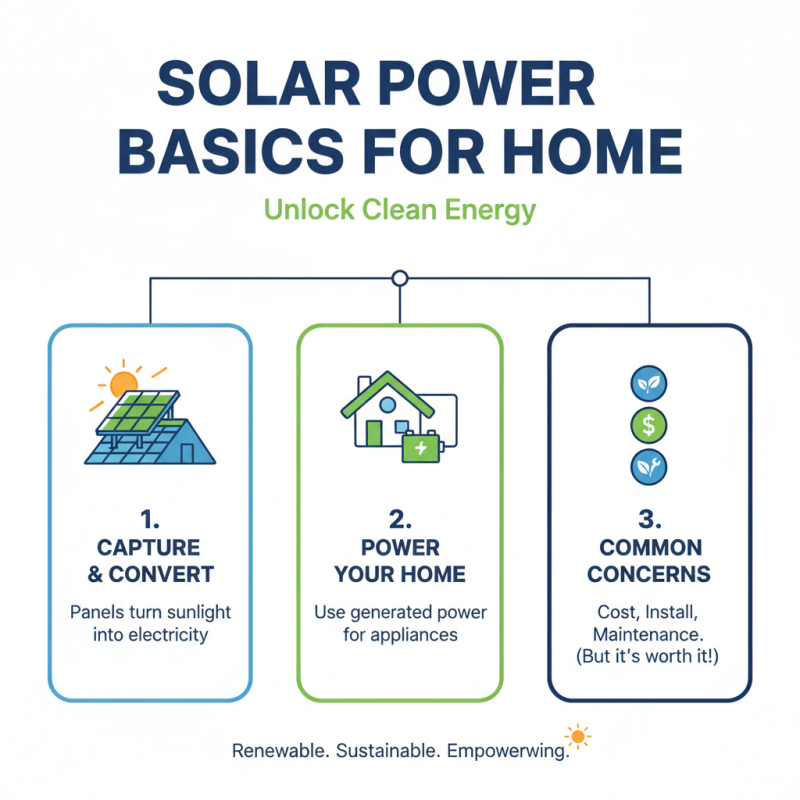
Harnessing solar power at home can be an empowering experience. Understanding the basics is essential. Solar panels capture sunlight and convert it into electricity. This process seems simple, yet many homeowners hesitate due to various factors. Cost, installation complexity, and maintenance are common concerns.
Choosing the right solar system is not just about technology. It's also about your specific needs. Assess your energy usage carefully. You might discover that the efficiency of the panels varies widely. Not all systems work effectively in every location, especially in urban areas with tall buildings. It’s crucial to consider your space, shading, and orientation.
Maintenance is another important aspect. Clean panels improve efficiency. However, cleaning can be challenging for some homeowners. Additionally, battery storage systems can get pricey. You should think about long-term costs versus short-term savings. While solar power offers many benefits, it requires careful planning and commitment.
Evaluating Cost and Benefits of Solar Power Systems
Solar power can be a great investment for your home. Understanding the costs is essential. Initial expenses for solar panels can be high. However, many discover long-term savings. Solar systems often lead to reduced electricity bills. This makes them financially appealing over time.
Installation costs can vary based on location and system size. It's important to research local contractors. Some homes may need upgrades to support solar technology. This can add to initial costs. It's a good idea to evaluate potential maintenance expenses, too. Regular upkeep might be necessary to keep the system efficient.
Not every situation is perfect. Some homeowners face challenges with energy storage. Battery solutions can be pricey and complex. Also, not all rooftops are suitable for solar panels. Shade from trees or buildings can reduce efficiency. Thus, it’s wise to assess your specific circumstances. Each aspect requires careful thought before proceeding.
Installing Solar Panels: Key Considerations and Steps
When considering solar panels for your home, it's essential to assess your energy needs. Not all roofs are ideal for solar. Check for shading from trees or buildings. A south-facing roof usually captures the most sunlight.
Before installation, research your local regulations. Permits may be necessary. Also, consider the installation timeline. It can take weeks or even months. Make sure to schedule around appropriate weather conditions.
**Tips:** Look for experienced installers. They can offer insights and guidance. Talk to your neighbors who have gone solar. Their experiences can help you decide. Also, monitor your energy consumption. Understand how solar will impact your bills. This awareness can shape your expectations.
Solar Power Installation Trends in Residential Homes
Maintenance and Upgrades for Home Solar Power Systems
Maintaining and upgrading solar power systems is crucial for maximizing efficiency. Regular maintenance can lead to improved longevity and output. Reports show that a well-maintained solar system can boost energy production by up to 30%. This can significantly reduce electricity bills over time.
Many homeowners overlook small issues. A dirty solar panel can result in a 20% loss in efficiency. Cleaning panels regularly is simple yet effective. An inspection every six months is recommended to catch problems early. Inverters, which convert solar energy to usable power, should also be checked. Replacing an inverter may become necessary after five to ten years.
Upgrades can enhance solar power systems. Battery storage, for example, allows users to harness energy during peak usage times. The added investment can lead to energy independence. However, not all upgrades yield immediate benefits. It's essential to analyze the potential return on investment. Some systems may require more significant updates than expected. Careful planning can prevent costly mistakes.
How to Harness Solar Power for My Home at China Import Expo? - Maintenance and Upgrades for Home Solar Power Systems
| Aspect |
Details |
Frequency |
Estimated Cost (USD) |
| Panel Cleaning |
Removing dirt and debris for optimal efficiency |
Twice a year |
$100 |
| Inverter Replacement |
Replaces worn out inverter to maintain performance |
Every 5-10 years |
$800 |
| Battery Maintenance |
Monitoring and checking battery performance |
Annually |
$150 |
| System Inspection |
Comprehensive check of the entire system |
Every 2-3 years |
$250 |
| Upgrade to Smart Monitoring |
Installing technology to monitor system performance remotely |
Once |
$300 |