What is Solar for My Home and How Does It Work?
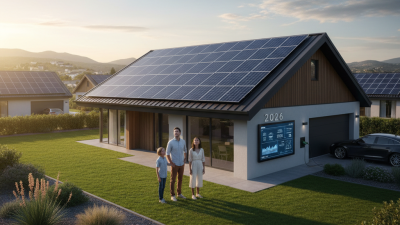
Solar for my home has become an important topic for many homeowners. Understanding how solar energy works can feel overwhelming. Yet, it holds the key to lower energy bills and a smaller carbon footprint.
When you think about solar for my home, consider the panels on your roof. These panels capture sunlight and convert it into usable energy. This process reflects a shift towards renewable sources. However, the initial investment can be daunting for some.
Yet, there are benefits to exploring this option. Solar energy reduces reliance on traditional utilities. Many homeowners experience significant savings over time. Still, it can be challenging to navigate the various technologies and incentives available. A thorough understanding is necessary to make informed choices.
Understanding Solar Energy: A Guide for Homeowners
Solar energy offers a sustainable solution for homeowners. It converts sunlight into electricity. Solar panels installed on rooftops are the most common method. They capture sunlight and generate energy to power homes. This process can significantly lower electricity bills. However, the initial installation cost can be high. For some, this is a barrier to entry.
Understanding how solar energy works is crucial. The system comprises solar panels, an inverter, and batteries. Sunlight hits the panels, creating direct current. The inverter then converts this to usable alternating current. Excess energy can be stored in batteries or fed back into the grid. Many homeowners face challenges like choosing the right system size. Misjudging needs can lead to either insufficient energy or wasted resources.
Solar energy requires consideration and planning. Factors like location, climate, and roof angle can affect efficiency. Not every home is suitable for solar panels. Residents may also have to navigate regulations and permits. While solar can be beneficial, it’s vital to research and reflect on each aspect thoroughly.
Types of Solar Power Systems for Residential Use
When considering solar power for your home, it's essential to know the types available. There are mainly two types of solar power systems:
grid-tied
and
off-grid systems.
Grid-tied systems connect your home to the utility grid. They allow you to use solar energy when it's sunny and pull from the grid when it's not. This setup often includes net metering, which can save on energy bills.
Off-grid systems, on the other hand, are independent of the utility grid. They rely on battery storage to provide energy when sunlight isn’t available. This can be appealing for those in remote locations. However, these systems require careful planning and a higher upfront investment. For instance, ensuring you have enough battery capacity for your needs can be challenging.
Both systems have advantages and drawbacks.
Grid-tied systems typically have lower installation costs and maintenance. Yet, they leave you vulnerable during outages.
Off-grid systems provide energy independence but may necessitate more effort and monitoring. Choosing the right system involves weighing these factors carefully against your lifestyle and needs.
How Solar Panels Convert Sunlight into Electricity
Solar panels are an impressive technology that allows homeowners to harness energy from the sun. These panels are made up of photovoltaic (PV) cells, which convert sunlight directly into electricity. When sunlight strikes the cells, it creates an electric field, generating direct current (DC) electricity. This electricity can then be converted to alternating current (AC) for use in your home.
Understanding how solar panels work is essential. Many homeowners mistakenly believe they can only produce energy on sunny days. However, solar panels can still generate electricity on cloudy days, albeit at a lower efficiency. They are more effective when installed at the right angle towards the sun. Finding a location that receives optimal sunlight exposure throughout the day can significantly enhance their performance.
**Tip:** Regular maintenance is key. Clean the panels occasionally to prevent dirt from blocking sunlight.
Additionally, the installation of a solar inverter—responsible for converting DC electricity to AC—is crucial. Choosing the right inverter affects the system's overall efficiency. Some homeowners may overlook this aspect, leading to reduced output.
**Tip:** Research inverter options carefully. Understand how they affect energy production.
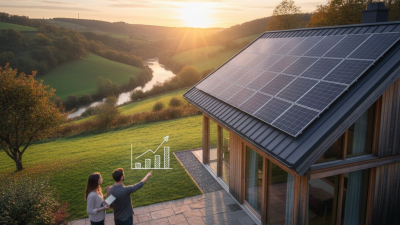
Exploring solar options requires thoughtfulness. While the initial investment can be high, many find long-term savings worthwhile. Integrating solar power can lower electricity bills and increase home value. However, not every roof is ideal. Make sure you analyze your space before proceeding.
Understanding Solar Energy Production
The Financial Benefits of Installing Solar Energy at Home
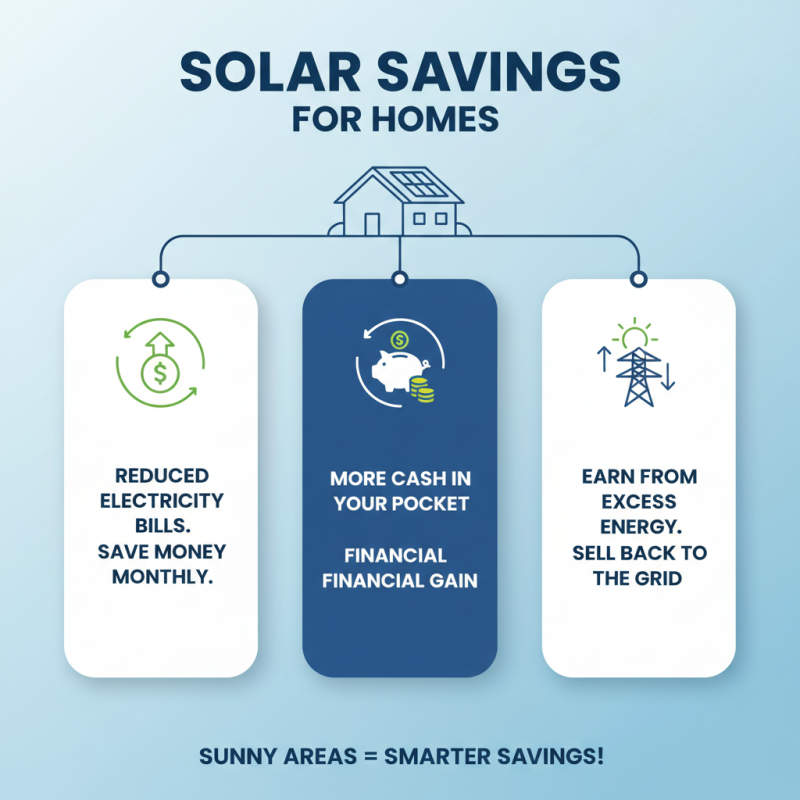
Solar energy for homes has gained popularity due to its financial benefits. When you install solar panels, you can significantly reduce your monthly electricity bills. This means more money in your pocket each month. In sunny areas, you might even generate extra energy that can be sold back to the grid. This can lead to further savings or income.
Installing solar energy at home can also increase the value of your property. Many potential buyers look for homes with solar systems. They often see this as a long-term investment. Additionally, some regions offer tax credits or rebates for homeowners who choose solar energy. This can lower the initial costs of installation.
**Tip:** Before you commit, research different solar installation options. Not all systems are the same. Consider your energy needs and local regulations.
Sometimes, the installation process can be overwhelming. There may be technical jargon that doesn’t make sense. Be sure to ask questions and do your homework. Take your time, and don’t rush into a decision. Your home is your sanctuary, and you want to make the best choice for your financial future.
Steps to Get Started with Solar Installation for Your Home
To get started with solar installation for your home, you need to follow several essential steps. First, assess your energy needs. Check your current energy consumption by reviewing past utility bills. This gives you a clearer picture of how much energy you use monthly. Next, consider your roof’s condition and orientation. Ideally, a south-facing roof works best for solar panels. If your roof needs repairs, address those issues before installation.
Understanding the local regulations is crucial. Each area has specific permits and requirements for solar installations. Research these to avoid potential delays in your project. You may also want to consult local solar companies. Seek estimates from them and compare the costs. Don’t just choose the cheapest option; quality matters too.
Tips: Always read reviews about solar installers. Take the time to request references from past clients. Ask specific questions about their experiences with the company. Consider starting small with a few panels first. Evaluate the performance before committing to a larger system. This can save you stress in the long run.
What is Solar for My Home and How Does It Work? - Steps to Get Started with Solar Installation for Your Home
| Step |
Description |
Estimated Time |
Cost |
| 1 |
Assess your energy needs and savings potential. |
1-2 hours |
Free |
| 2 |
Research solar panel options and local installations. |
2-3 hours |
Free |
| 3 |
Get quotes from multiple solar companies. |
1-2 weeks |
Varies |
| 4 |
Choose a financing option if needed. |
1 week |
Varies |
| 5 |
Schedule a solar panel installation. |
1 day |
Varies |
| 6 |
Start using your solar energy system. |
Immediate |
N/A |