What is Solar Power for My Home and How Does it Work?
Solar power for my home is a growing trend. Many homeowners are exploring renewable energy options. This shift can lead to savings and environmental benefits.
When considering solar power for my home, I often ponder its mechanics. Solar panels convert sunlight into electricity. This process can seem complex, yet it is vital for clean energy. The installation process often raises questions and concerns. Understanding how it truly works requires effort and research.
Some may worry about the initial costs. Others hesitate due to misconceptions about efficiency. Each installation is different, reflecting personal needs and preferences. This journey is not always straightforward. However, considering solar energy opens the door to sustainability. Engaging with this technology might inspire thoughtful reflection on our energy choices.
Understanding Solar Power: A Comprehensive Overview for Homeowners
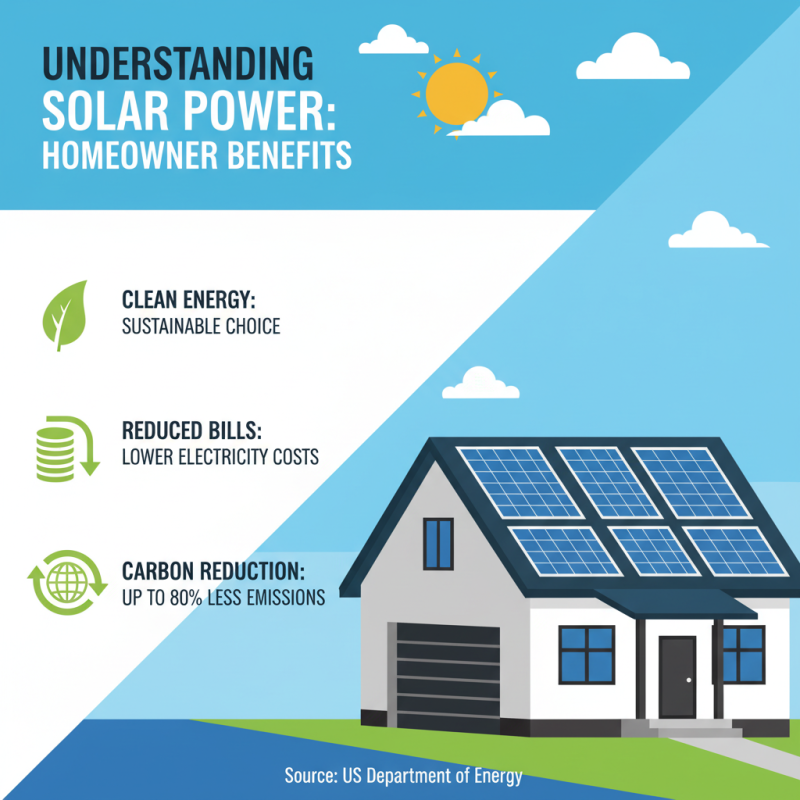
Solar power offers a sustainable energy choice for homeowners. It's cleaner than fossil fuels and reduces electricity bills. According to the U.S. Department of Energy, solar energy can reduce an average household's carbon emissions by over 80%. This significant reduction contributes to a healthier environment.
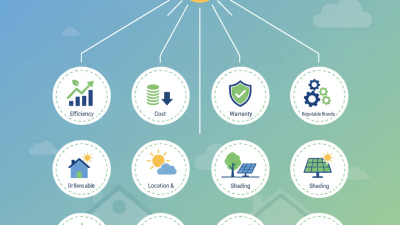
Understanding how solar panels work is crucial. Solar panels convert sunlight into electricity using photovoltaic cells. When sunlight hits these cells, they generate direct current (DC) electricity. An inverter then converts this to alternating current (AC), which powers home appliances. However, not every home is ideal for solar installations. Factors like roof orientation and shading must be evaluated.
Adopting solar power comes with challenges, too. Installation costs can be high, and not all regions receive ample sunlight year-round. Homeowners should consider their unique situations and energy needs before making decisions. In some areas, incentives can offset costs. Yet, the complexity of navigating these options can be daunting for many. Decisions should be informed and reflect long-term goals.
The Science Behind Solar Energy: How Photovoltaic Cells Work
Solar power has become a viable option for many homeowners. Understanding how it works is key. At the heart of this process are
photovoltaic (PV) cells. These cells convert sunlight into electricity. They do this through the
photovoltaic effect. When light hits the cells, it excites electrons, creating an electric current. This current can then power your home.
The design of PV cells is crucial. They are typically made of silicon. The surface of the silicon is treated to create positive and negative layers.
This layer interaction produces an electric field. When sunlight strikes the cells, it generates direct current (DC) electricity. An inverter then changes this to alternating current (AC).
AC is what we use in our homes.
Tips for optimizing solar power: Keep your solar panels clean. Dust and debris can block sunlight, reducing efficiency. Monitor your energy consumption habits. Small changes can lead to
significant savings. Lastly, consider your roof’s angle and shading. These factors greatly influence energy production.
Reflect on how often you rely on natural energy sources. It's essential in making the most out of solar power.
Key Components of a Residential Solar Power System Explained
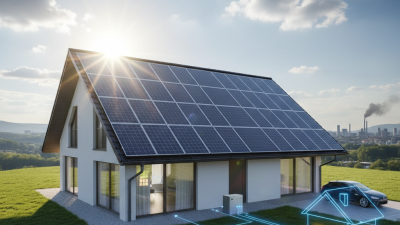
Solar power for homes is an efficient way to harness energy from the sun. Understanding the key components of a residential solar power system can help you make informed choices. Solar panels, inverters, and batteries play critical roles.
Solar panels convert sunlight into electricity. They are usually mounted on rooftops. The amount of energy generated depends on sunlight exposure. A well-placed solar panel can significantly reduce your energy bill. However, installation can be complex. You may encounter shading issues or roof orientation challenges.
Inverters are essential for converting direct current (DC) to alternating current (AC). This allows homes to use the electricity generated by the solar panels. Not all inverters are created equal. Some may have lower efficiency, affecting overall system performance.
Batteries store excess energy for later use. They help tackle the problem of intermittent sunlight. However, battery systems can be costly. Evaluate your energy needs carefully to choose the right storage option.
Tip: Before installing, assess your roof's condition. A deteriorating roof can increase costs later. Also, consider the local climate. Some regions receive more sunlight than others. Always research local incentives for renewable energy projects.
Evaluating the Financial Benefits of Solar Power Installation
Evaluating the financial benefits of solar power installation can be quite complex. Homeowners might save significantly on electricity bills. Upfront costs can be high, which may deter some people. However, many find that incentives offset these initial investments. Tax credits and rebates are often available and can reduce expenses.
In the long run, solar panels can increase property value. Some studies show that homes with solar systems sell for more. Yet, not all locations are perfect for solar energy. Factors like shading and roof orientation matter a lot. Sometimes, a property may not generate enough energy to justify the costs.
It's essential to analyze your specific situation. Some households may break even quickly while others take longer. Evaluating energy needs and potential savings is crucial. Monthly savings from reduced bills can be appealing. But always consider potential maintenance costs. These can impact overall savings. Make sure to reflect on these details when considering solar power for your home.
Evaluating the Financial Benefits of Solar Power Installation
Government Incentives and Rebates for Home Solar Energy Systems
Government incentives and rebates can significantly reduce the cost of installing solar energy systems in homes. Many regions offer tax credits or cash rebates to encourage residents to switch to solar power. Homeowners may receive up to 30% off their installation costs through federal tax credits. This financial boost can make solar energy more accessible and attractive.
Local governments often provide additional incentives too. Some areas have programs that offer grants or low-interest loans for solar projects. These programs aim to promote renewable energy, helping reduce the upfront costs that can be a barrier for many homeowners. Each locality has different rules and amounts for these benefits. It’s essential to research local incentives thoroughly.
Despite these benefits, navigating the system can be complex. Understanding eligibility criteria and applications might be challenging. Homeowners might not know where to start. It requires careful planning and sometimes professional advice. Misunderstanding the process can lead to missed opportunities for savings. Patience is key as the process unfolds.