Top Tips for Choosing Residential Solar Power Solutions?
As we explore the potential of residential solar power, it becomes clear how important it is to make informed choices. Renowned solar energy expert, Dr. Emily Carter, emphasizes, "Selecting the right solar solution can profoundly impact both savings and sustainability." This underlines the need for careful consideration in the decision-making process.
Navigating the variety of options available can feel overwhelming. Solar panels come in different sizes and technologies. Homeowners must assess their energy needs, roof space, and budget. The cost of installation is a crucial factor but should not be the only consideration. Quality and long-term benefits matter just as much.
It's easy to become fixated on the initial investment. Yet, the long-term savings can be substantial. Every household might not be suited for solar power. Some homes face obstacles like shading or structural issues. Understanding one’s unique situation is essential for success. Embracing solar power requires reflection on both financial and environmental implications.

Understanding Your Energy Needs and Consumption Patterns
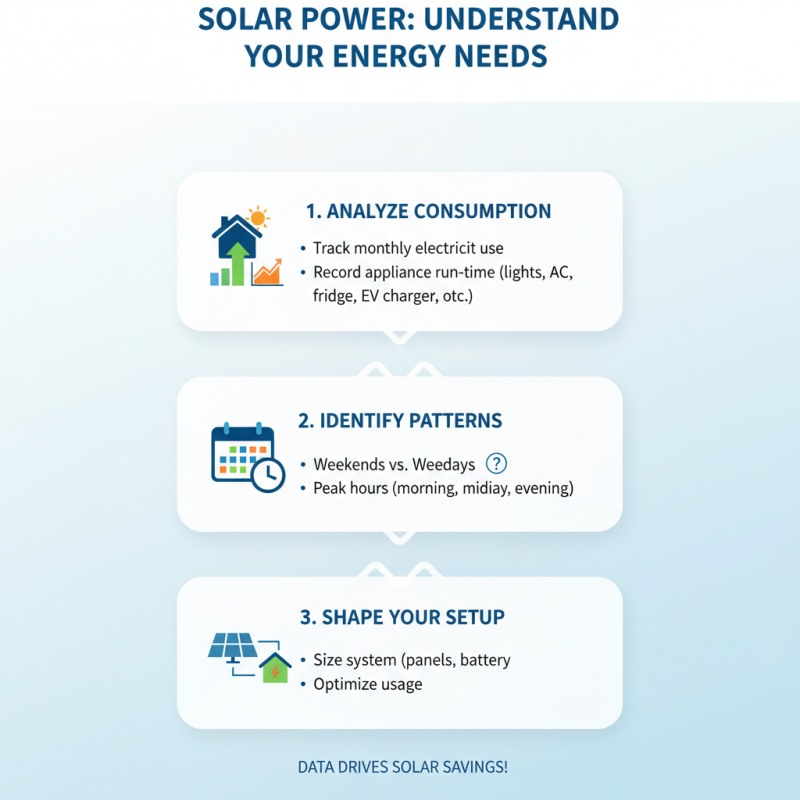
When considering residential solar power solutions, understanding energy needs is crucial. Begin by analyzing your daily energy consumption. Track your electricity usage for a month. Record the common appliances and their running hours. This data reveals patterns. Are weekends more energy-intensive than weekdays? Such insights shape your solar setup.
Consider the size of your household. A larger family typically consumes more energy. Think about energy-efficient upgrades. Simple changes, like LED bulbs, can reduce consumption. Reflect on seasonal variations too. Do you use more energy in summer for cooling? This fluctuating usage needs careful planning. Account for future changes, like electric vehicles or home additions, that may influence energy consumption.
Properly assessing your energy needs can seem daunting. It's natural to feel overwhelmed by the numbers and options. There is no one-size-fits-all solution. Take time to evaluate your situation. Consulting experts can help, but ultimately, the decisions impact your home and finances. Being proactive is essential.
Evaluating Different Types of Solar Power Systems
When evaluating different types of solar power systems, consider various options.
Roof-mounted panels are common. They utilize available space effectively and can supply substantial energy.
Ground-mounted systems can be more efficient but require larger areas. This might not be feasible for all homes.
Investigate solar battery storage as well. This adds value by capturing excess energy for later use.
However, they can be expensive and may not always be necessary. Assess your energy consumption habits.
Do you use most of your energy during the day or at night? This will influence your system choice.
Also, consider the installation process. Some systems require professional setup.
DIY options exist, yet they often lead to mistakes.
Inadequate installation can diminish efficiency. Take your time during the selection process.
Make sure your system aligns with your lifestyle and budget.
Comparing Solar Panel Brands and Technologies
When considering solar panel brands and technologies, some key factors come into play. Efficiency is crucial. Higher efficiency means more power generation. Look for panels that convert sunlight effectively. Many products claim high efficiency but check independent sources for validation.
Tips: Always ask about the panel’s performance warranties. A longer warranty may indicate better durability. Also, consider the panel's degradation rate. Some panels lose power faster over time, while others maintain performance longer.
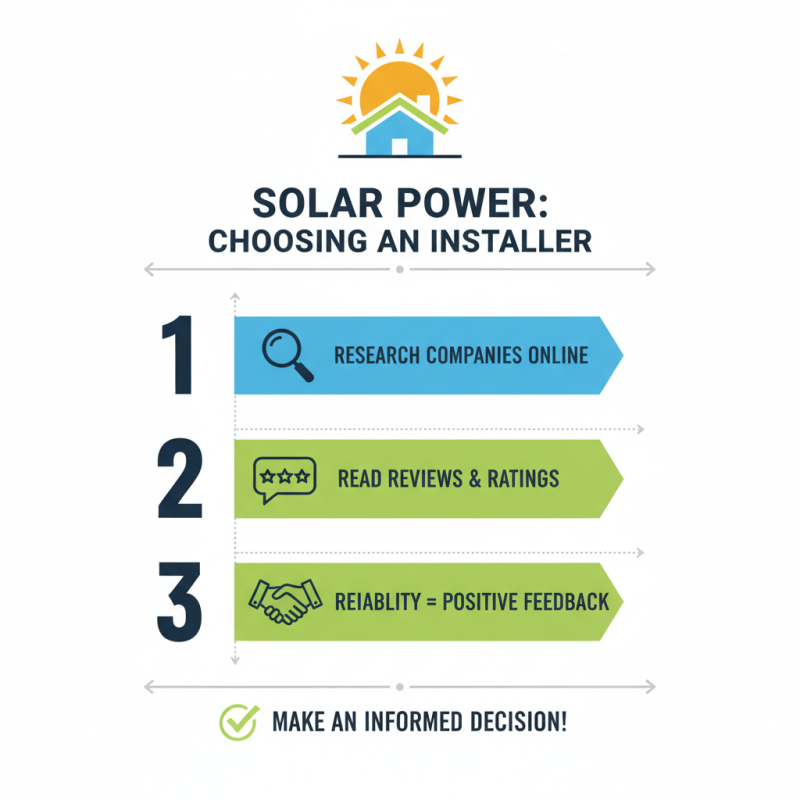
Installation is another vital aspect. Explore different mounting options based on your roof type. A poor installation can lead to less effective energy production. Finding skilled installers may take time, but it’s worth the effort.
Lastly, keep in mind the overall cost. While cheaper models might seem attractive, they may lack longevity and efficiency. Sometimes it’s better to invest more upfront for greater savings in the long run. Examine your energy needs carefully. Reflect on what fits your lifestyle best.
Top Tips for Choosing Residential Solar Power Solutions
Assessing Installation Costs and Financial Incentives
When considering residential solar power solutions, installation costs are a crucial factor. The upfront investment can vary significantly. It typically ranges from a few thousand to tens of thousands of dollars. Better understanding these costs helps you make informed choices.
Financial incentives can ease this burden. Some regions offer tax credits, rebates, or grants for solar installations. Research local policies that apply to your area. These incentives can lower costs, making solar energy more accessible. It is essential to calculate potential savings over time. Not all systems provide equal benefits.
However, be aware of hidden costs. Installation maintenance might add to your budget. Sometimes, the benefits of solar energy aren't immediately clear. Take the time to review contracts and agreements carefully. Make sure to ask questions, even if they seem basic. Understanding every detail is vital for a successful transition to solar power.