Top Tips for Choosing Solar Energy Panels for Your Home?
Choosing solar energy panels for your home can be daunting. With countless options available, it’s easy to feel overwhelmed. Renowned solar expert Dr. Emily Harper once stated, "Selecting the right solar panels is about more than just price; it’s about performance and durability." This highlights the importance of informed choices.
One key factor is the efficiency of the solar energy panels. Higher efficiency can mean more energy production, increasing your savings over time. Nevertheless, higher efficiency panels often come at a premium. You might question if the investment is justified.
Another consideration is warranty and lifespan. Most panels offer long warranties, but not all deliver on durability. Recognizing this can lead to some difficult decisions. Prices and options may confuse many homeowners. It's crucial to reflect on your energy needs and budget before making a final decision. The journey can be challenging but is ultimately rewarding.
Understanding Your Energy Needs and Usage Patterns
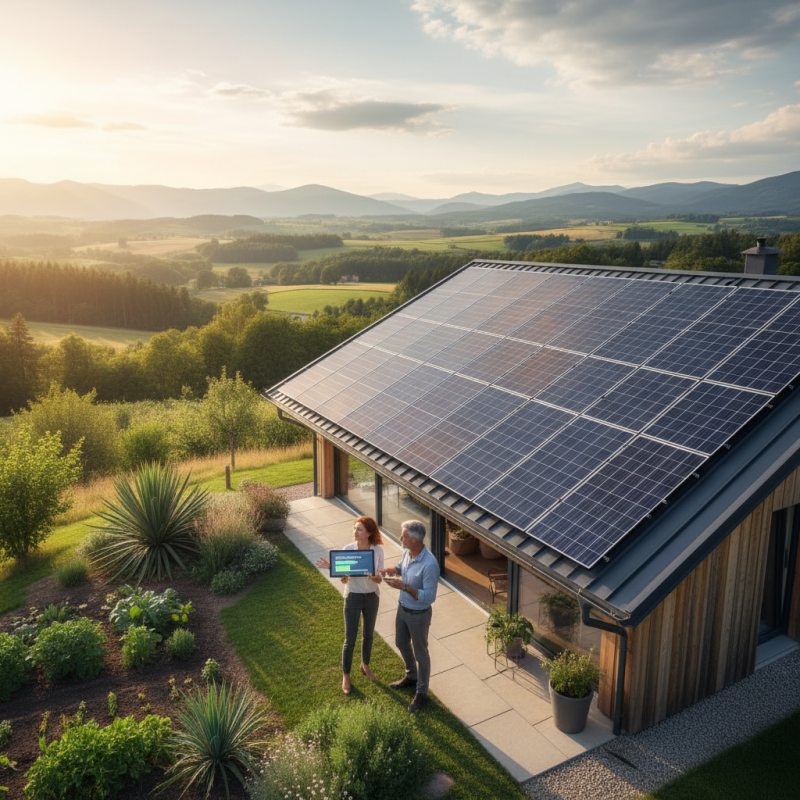
When choosing solar energy panels for your home, understanding your energy needs is crucial. According to the U.S. Energy Information Administration, residential energy consumption averages around 877 kWh per month. Analyzing your energy usage patterns can help you figure out how many solar panels you may need.
Assessing your lifestyle is key. If you work from home, your daytime energy use is higher. A quick tip: track your energy bills over the past year. Look for trends in usage during different seasons. This observation will help you understand peak usage times and adjust accordingly.
Consider your property's orientation and shading. The best solar panels perform optimally with direct sunlight. Keep in mind, not every home is ideal for solar energy. Some homes may have limited roof space or tall trees that block sunlight. This reality could impact the energy you can produce. Think carefully and weigh your options. Your decision should align with your energy needs and physical constraints of your home.
Top Tips for Choosing Solar Energy Panels for Your Home
| Dimension |
Details |
| Energy Needs |
Calculate total monthly energy consumption in kWh |
| Panel Efficiency |
Choose panels with high efficiency ratings (e.g., above 18%) |
| Space Availability |
Assess roof size and angle for optimal installation |
| Inverter Type |
Decide between string inverters and microinverters |
| Cost per Watt |
Compare price per watt across different options |
| Warranty and Lifespan |
Look for warranties of 25 years or more |
| Installation Considerations |
Select experienced installers for optimal setup |
| Government Incentives |
Research tax credits and rebates available in your area |
| Monitoring Systems |
Consider smart monitoring solutions for tracking performance |
| Aesthetic Preference |
Choose panel styles that match your home's appearance |
Evaluating Different Types of Solar Panels Available
When considering solar panels for your home, understanding the types available is crucial. There are generally three main types: monocrystalline, polycrystalline, and thin-film. Monocrystalline panels are known for high efficiency. They have a sleek black appearance and take up less space. Installation can be a challenge due to their weight.
Polycrystalline panels are less efficient but often more affordable. They typically have a blue hue and a larger footprint. This could be a factor if roof space is limited. Thin-film panels are lightweight and flexible, which makes them easier to install in various locations. However, they usually have lower efficiency compared to crystalline options.
While selecting a type, consider your energy needs and budget. Some homeowners might overlook the long-term savings potential of efficient panels. It’s also worth researching local climate conditions and roof orientation. Not all panels perform well in low-light situations. A thorough evaluation of these aspects can help, but don’t rush into a decision. Reflecting on your priorities will ensure a better choice.
Assessing Roof Size and Orientation for Solar Panel Installation
When considering solar energy panels, the roof's size and orientation play crucial roles. A study by the National Renewable Energy Laboratory (NREL) indicates that an ideal roof for solar panels should have a 30-degree angle and face south for maximum efficiency. However, many homes have roofs that don't meet this ideal. This misalignment can reduce solar energy production by up to 30%.
It's essential to assess your roof's dimensions accurately. If your roof is small, you might need to opt for higher-efficiency panels. Sometimes, homeowners undercalculate the space needed for installation and maintenance. Easily overlooked, shading from trees or nearby buildings can also affect panel effectiveness. Even a slight shade on a solar panel can lead to a significant decrease in energy output.
Moreover, the material and age of your roof matter. Roofing materials like tiles or shingles may limit the type of panels you can install. An old or damaged roof can lead to additional costs for repairs before installation. Although you may feel excited about solar energy, thorough research and measurements are paramount. This ensures you maximize the benefits of solar technology while avoiding costly mistakes.
Choosing a Reputable Installer and Reviewing Warranty Options
When it comes to installing solar energy panels, choosing a reputable installer is crucial. Look for companies with good reviews and solid experience. Check their licenses and certifications. A reliable installer will provide transparent quotes and clear communication. Get multiple estimates to compare prices and services. This helps you make an informed decision.
Reviewing warranty options is equally important. A strong warranty indicates the manufacturer's confidence in their product. Look for materials that offer at least 25 years of coverage for performance. Panels may degrade over time, and a good warranty protects your investment. Ask questions about what is covered. Make sure you understand the terms before committing.
Consider asking for references from previous customers. Hearing firsthand experiences can highlight both strengths and shortcomings. Not every installation goes perfectly. Some customers report delays that can be frustrating. Being prepared for potential issues can ease anxiety during this process. The goal is to feel secure in your investment, knowing you chose the right people and products.