Top 10 Tips for Choosing Solar Panels for My Home?
Choosing solar panels for my home is an exciting yet daunting task. With so many options available, finding the right fit can be challenging. It's important to make informed decisions. A careful approach will help you avoid common mistakes.
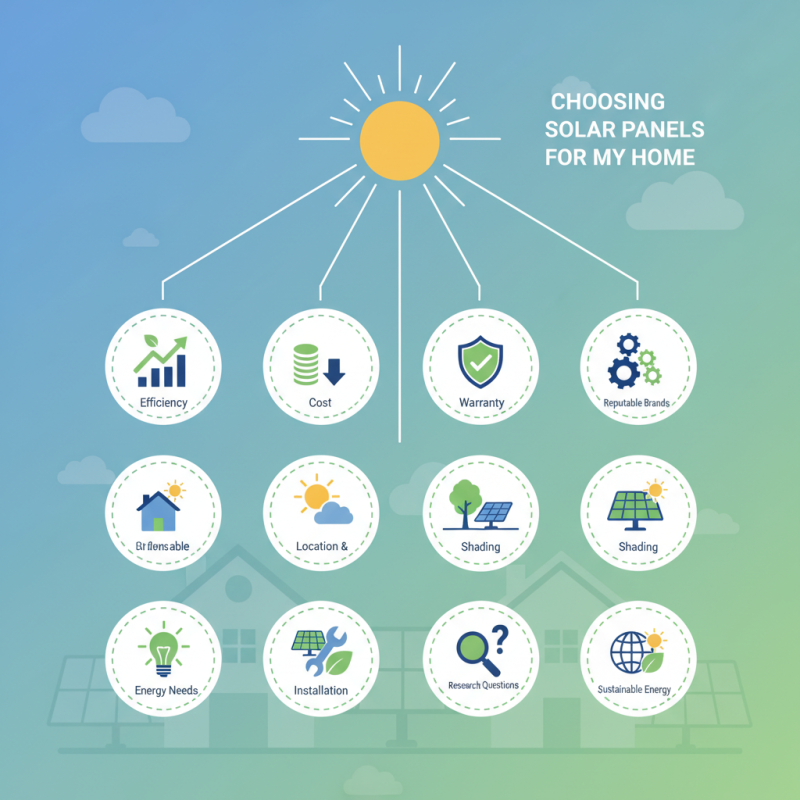
When selecting solar panels for my home, consider efficiency, cost, and warranty. Each factor plays a crucial role in your energy savings. Look for reputable brands that stand behind their products. It's also wise to think about your home's location and climate. These elements can greatly impact performance.
Often, homeowners overlook specific details. For example, shading from trees or nearby buildings can reduce output. Taking the time to assess these factors is essential. Reflecting on personal energy needs will guide your choice. Solar panels for my home should meet those needs effectively. In this journey, remember to stay curious and ask questions. Each step brings you closer to sustainable energy.
Understanding Your Energy Needs and Solar Potential
Understanding your energy needs is crucial when choosing solar panels for your home. According to the U.S. Energy Information Administration, residential energy consumption averages about 877 kWh per month. This means that before installing solar panels, evaluate your monthly usage. Compare this data to sunlight availability in your area. Some regions receive over 6 hours of sunlight daily, while others receive significantly less. Matching these two factors is essential for an efficient solar system.
Solar potential varies widely based on location and roof orientation. A study from the Solar Energy Industries Association shows that homes with southern exposure capture more sunlight. Consider the pitch of your roof as well. A flat roof might require a different panel orientation compared to sloped roofs. Trees or buildings nearby can create shade, which dramatically reduces efficiency. Understanding these nuances helps you avoid costly mistakes.
Many homeowners overlook the importance of energy storage. Battery systems can store solar energy for nighttime use. This means you might not always need to rely on the grid. However, these systems come at an additional cost. Research is vital. Are you prepared for upfront expenses? Have a clear plan. Take into account potential future energy needs as well. This decision could impact your energy independence for years to come.
Evaluating Different Types of Solar Panels Available
When evaluating different types of solar panels for your home, start with understanding their key features. Monocrystalline panels are known for high efficiency and longevity. They usually perform better in low-light conditions compared to other types. However, they can be more expensive. Polycrystalline panels are a popular choice. They are generally less efficient but cost-effective, making them appealing for homeowners on a budget.
Thin-film solar panels are another option. They are lightweight and flexible, making installation easier in some cases. However, their efficiency is lower, which could require more space for installation. Keep in mind the specific energy needs of your household. Reflect on whether your roof has enough space for the type you prefer. Sometimes, the ideal choice isn't so straightforward. Consider long-term costs versus initial investment, as well. Balancing aesthetics and functionality is also vital, as solar panels can alter your home’s exterior.
Top 10 Tips for Choosing Solar Panels for My Home
| Type of Solar Panel |
Efficiency (%) |
Cost per Watt ($) |
Lifespan (Years) |
Warranty (Years) |
| Monocrystalline |
15-22 |
$2.50 - $3.50 |
25-30 |
25 |
| Polycrystalline |
13-16 |
$1.80 - $2.50 |
20-25 |
20 |
| Thin-Film |
10-13 |
$1.00 - $2.00 |
10-20 |
10 |
| Bifacial |
15-22 |
$2.50 - $4.00 |
25-30 |
25 |
| Building-integrated Photovoltaics (BIPV) |
10-15 |
$3.50 - $5.00 |
20-25 |
20 |
Comparing Solar Panel Efficiency and Performance Ratings
When choosing solar panels, efficiency is essential. Solar panel efficiency measures how much sunlight is converted into electricity. Reports from the National Renewable Energy Laboratory show that the average efficiency of residential solar panels ranges from 15-20%. Higher efficiency means more power generation and less space required. Therefore, consider panels with at least 18% efficiency to maximize your investment.
Performance ratings also matter. These ratings assess how well solar panels perform under real-world conditions. The performance ratio (PR) indicates the actual energy output relative to the expected output. Panels with a high PR, typically above 80%, will deliver better energy yield over time. It’s also worth noting that temperature coefficients impact performance. Some panels lose more efficiency in high temperatures, potentially affecting their output in warmer climates.
Remember that not all high-efficiency panels will suit your specific environment. Assessing your roof's angle and shading can lead to different performance outcomes. Weighing these factors can feel overwhelming. Balancing efficiency and performance with your unique situation is critical. Each choice requires careful consideration, ensuring long-term benefits and energy savings.
Solar Panel Efficiency Comparison
Considering Warranty, Lifespan, and Maintenance Requirements
When choosing solar panels for your home, warranty is crucial. A good warranty protects your investment. Most manufacturers offer warranties ranging from 10 to 25 years. It's wise to read the fine print. Some warranties cover defects only, while others include performance guarantees. A shorter warranty could indicate lower confidence in the product's durability.
Lifespan is another vital consideration. Solar panels typically last 25 years or more. However, not all panels perform equally over time. Efficiency can decrease due to wear and tear. You might have to replace panels sooner than expected, which can be costly. Consider panels with a reputation for longevity.
Maintenance requirements can vary widely. Some systems need regular cleaning, especially in dusty areas. Others are nearly maintenance-free. Before making your decision, think about your local environment. Shaded areas or nearby trees may impact the performance. Inspecting your panels regularly can prevent issues before they escalate. Always weigh the pros and cons to make an informed choice.
Researching Reliable Solar Panel Manufacturers and Installers
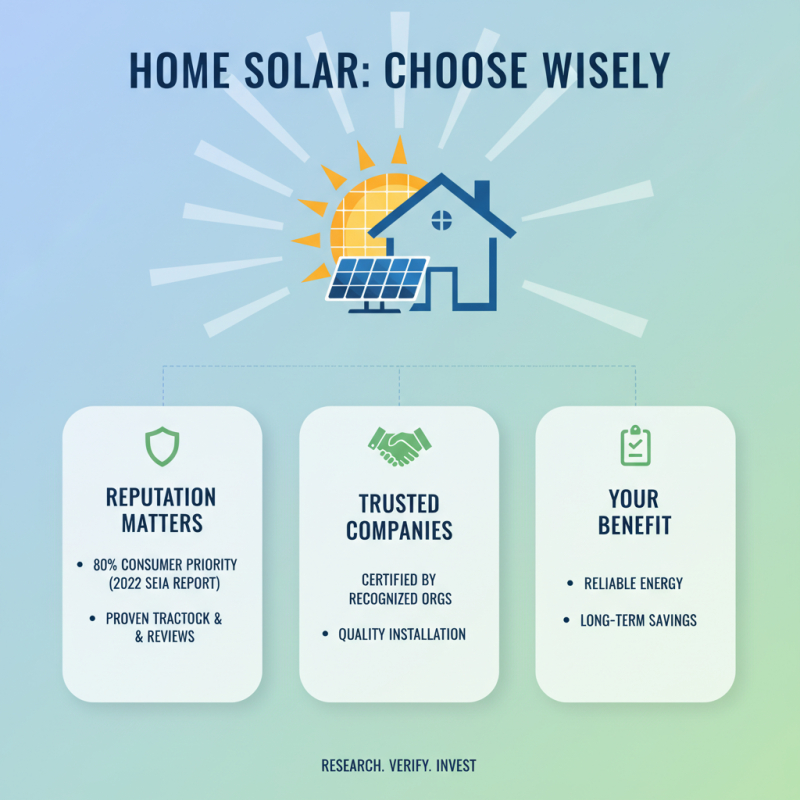
When considering solar panels for your home, researching reliable manufacturers and installers is crucial. A 2022 report by the Solar Energy Industries Association (SEIA) showed that 80% of consumers prioritize company reputation. Look for companies with proven track records and glowing customer reviews. It’s also beneficial to check if they are certified by recognized organizations.
One helpful tip is to gather multiple quotes. According to industry data, obtaining at least three estimates often results in better deals. Compare not just prices, but also warranties and installation services. Verifying that installers have experience with your specific type of roofing can prevent future complications.
Transparency should not be overlooked. Ensure your chosen installer explains the installation process clearly. Many installers may gloss over technical details, leaving some customers confused. A thorough understanding of the project can prevent disputes later. Establishing communication early on can make the journey smoother. Remember, choosing the right solar panels is a significant investment, so take the time to reflect on your options carefully.