2026 Top EV Charger Wall Plug Options for Your Home?
As electric vehicles gain popularity, a reliable Ev Charger Wall Plug becomes essential for homeowners. In 2026, various options will be available, making the right choice critical. You might face confusion with so many choices on the market.
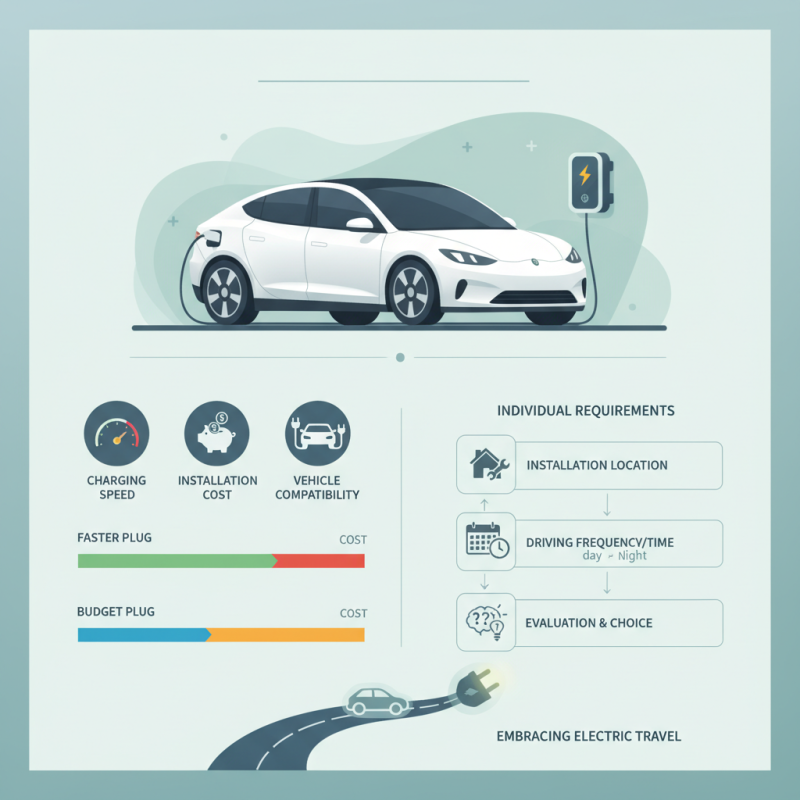
Selecting an EV Charger Wall Plug requires careful consideration. Factors like charging speed, installation costs, and compatibility with your vehicle all matter. Some plugs are faster, yet they could cost more. Others may fit your budget, but not provide the efficiency you need.
It's important to reflect on individual requirements before purchasing. Assess where you'll install the charger and how often you drive. Will you charge overnight or during the day? Evaluating these factors will help you choose wisely. Embracing electric travel is exciting, yet finding the right charger can be a challenge.
Overview of EV Charger Wall Plug Options for Home Use
When considering EV charger wall plug options for home use, it’s essential to evaluate your specific needs. The type of EV you own may impact your choice. Different chargers offer varying power levels, which affect charging speed. For instance, a 240-volt charger is generally faster than a standard 120-volt outlet. However, the installation process can be complicated and might require professional help.
Homeowners should also think about the location of the charger. A garage or a dedicated outdoor space is ideal. You want to ensure easy access while keeping safety in mind. Additionally, consider the aesthetics of the charger. Some plugs are more visually appealing than others, which can influence your home’s exterior look.
Moreover, user interfaces vary significantly. Some chargers have smart features and apps for remote monitoring. Others may lack these conveniences, leading to frustration. It’s important to reflect on what features are essential for you. Not all options suit every home, so choosing wisely is crucial. Test the options before committing to one.
Key Factors to Consider When Choosing an EV Charger
When choosing an EV charger for home use, several key factors warrant consideration. First, charging speed is crucial. Level 2 chargers typically deliver about 6.6 kW, allowing for quicker charge times compared to Level 1 options. According to the U.S. Department of Energy, a Level 2 charger can fully charge a standard EV in 4-8 hours. This efficiency could impact daily routines significantly.
Next is the installation complexity. Some chargers require dedicated circuits, while others can use existing outlets. An estimated 25% of homeowners face unexpected installation issues. It is vital to consult with a qualified electrician before making a purchase. The cost of upgrading your home’s electrical system can add hundreds to thousands of dollars to your charger installation.
Another vital aspect is compatibility with your electric vehicle. Many chargers feature universal plugs but may not suit every model. A study by the International Energy Agency notes that over 80% of EV owners experience challenges pairing chargers with their vehicles. Always check compatibility to avoid frustrations later. Lastly, consider the charger’s safety features. Look for built-in safeguards against power surges, which can damage your vehicle’s battery.
2026 Top EV Charger Wall Plug Options for Your Home
In 2026, homeowners have several options for EV chargers. This chart illustrates the average charging speed for different types of chargers, helping you make informed decisions based on your driving needs and home setup.
Top 2026 EV Charger Wall Plug Brands and Models
As electric vehicles gain popularity, choosing the right EV charger wall plug becomes crucial. The market is projected to reach $30 billion by 2026. This growth highlights the increasing demand for efficient home charging solutions. Data shows that over 85% of EV charging occurs at home, making a reliable wall plug essential for many consumers.
Several top brands are emerging as leaders in the EV charger wall plug sector. Reports indicate that smart chargers, which offer app integration, are popular for their convenience. These devices allow users to monitor charging times and energy usage. Features like customizable settings can maximize efficiency, but they can also confuse users. Many find themselves grappling with technology that should be simple.
Not all charging solutions work universally. Compatibility issues can arise with different electric vehicles. Industry statistics reveal that 25% of users report difficulties finding the right model for their car. It’s essential to research brands and models thoroughly. Many chargers promise fast charging, yet actual performance can vary widely. Some may fail to meet expectations, limiting their appeal.
2026 Top EV Charger Wall Plug Options for Your Home
| Charger Type | Charging Speed (kW) | Connectivity | Installation Type | Price Range ($) |
| Level 2 Charger | 7.2 kW | Wi-Fi, Bluetooth | Wall-mounted | 500 - 700 |
| Level 2 Charger | 9.6 kW | Wi-Fi, Ethernet | Freestanding | 600 - 800 |
| DC Fast Charger | 50 kW | 4G, Ethernet | Freestanding | 10,000 - 25,000 |
| Level 2 Charger | 11 kW | Wi-Fi, Bluetooth | Wall-mounted | 700 - 900 |
| Level 1 Charger | 1.4 kW | N/A | Standard outlet | 200 - 400 |
Installation Tips for Home EV Charger Wall Plugs
Installing a home EV charger is a smart investment. According to a recent industry report, the global EV charging market is expected to grow by 25% annually. This means more homeowners will seek practical installation options in the coming years.
Consider the location carefully before installation. Ideally, place the charger near your parking space. Ensure that the wall can support the charger’s weight. You may need to reinforce it. Many homes have circuit issues. Upgrading your home’s electrical panel might be necessary. A professional electrician can assess your existing setup.
Wiring is another key aspect. The National Electric Code (NEC) provides guidelines on wiring for EV chargers. Always follow these standards. Improper installation can lead to safety hazards. Many homeowners overlook grounding. This is critical for preventing electrical shocks.
Regular maintenance checks will also ensure optimal performance. Remember, proper installation is not just about convenience; it is about safety and efficiency.
Future Trends in Home EV Charging Technology
The future of home EV charging technology is rapidly evolving. According to the International Energy Agency, the number of electric vehicles (EVs) is set to reach 23 million by 2030. This surge is pushing innovation in charging solutions. Improved charging speeds and smarter home systems will soon dominate the market.
Home EV chargers are becoming more user-friendly. Many models now support wireless connectivity. This allows users to monitor charging times and costs remotely. A report from McKinsey indicates that around 70% of all EV charging will occur at home by 2030. It’s crucial for homeowners to stay informed and select the right systems.
**Tips:** Charge during off-peak hours to save money. Look into energy management systems to optimize usage. Consider installing a solar panel system for eco-friendliness. However, not every home may have the infrastructure for these upgrades. Some might need to rethink their electrical systems to accommodate future demands.