Top 5 Mini Reciprocating Saws for Electric Cutting Needs?
The growth of the electric tool market, particularly mini reciprocating saws, is notable. According to a recent report by Grand View Research, the global power tools market is projected to reach $41.10 billion by 2025. This surge highlights the increasing demand for efficient and compact cutting solutions. Among these tools, mini reciprocating saws stand out due to their versatility and ease of use.
Mini reciprocating saws are designed for precision in tight spaces. Their lightweight design allows for extended usage without fatigue. A recent survey indicated that over 70% of contractors prefer tools that balance power and portability, which underscores the importance of mini saws in modern construction and remodeling projects. You can explore top options at https://www.medicalsnk.com/mini-reciprocating-saw-electric/.
Despite their advantages, not all mini reciprocating saws are created equal. Some models may lack the durability needed for heavy-duty tasks. Moreover, potential buyers often struggle to find reliable reviews. Reflecting on these challenges, it's vital to consider both product quality and user feedback before making a purchase.
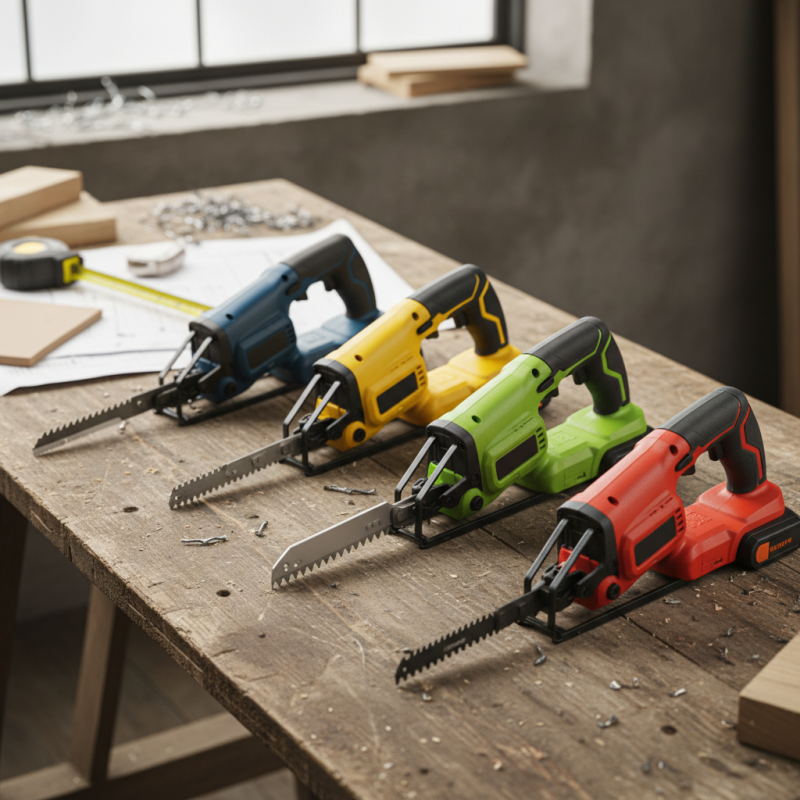
Overview of Mini Reciprocating Saws and Their Applications
Mini reciprocating saws are essential tools for various cutting tasks. They offer power and precision in a compact form factor. Reports indicate that the mini saw market has witnessed a steady growth rate of about 12% annually over the past five years. This trend highlights their increasing popularity among DIY enthusiasts and professionals alike.
Their versatility allows them to handle different materials, including wood, metal, and plastics. This makes them ideal for tasks like home repairs, plumbing, and woodworking. However, the learning curve can be steep for beginners. Proper technique and safety measures are crucial to avoid accidents. Using the wrong blade type can lead to poor performance or even damage.
Despite their advantages, mini reciprocating saws do present challenges. Battery life can vary significantly between models, leading to interruptions mid-project. Moreover, without proper maintenance, the saw's effectiveness can decline over time. Users must remain diligent about replacing worn blades and keeping the tool clean. Overall, while mini reciprocating saws are invaluable, they require respect and care to maximize their potential.
Top 5 Mini Reciprocating Saws for Electric Cutting Needs
This chart illustrates the cutting speed (in strokes per minute) and weight (in pounds) of the top five mini reciprocating saws, showcasing their electric cutting capabilities.
Key Features to Consider When Selecting a Mini Reciprocating Saw
When choosing a mini reciprocating saw, consider key features that align with your electric cutting needs. One important factor is the motor power, often measured in amps. Research indicates that saws with 6 to 12 amps offer the best performance for household projects. A higher amp rating typically provides more power for dense materials.
Another consideration is the blade compatibility and changing mechanism. Some models accept a variety of blade types, which enhances versatility. Quick-release mechanisms ensure ease of blade changes, saving time during tasks. In a survey, 58% of users identified blade change as a critical feature for maintaining workflow efficiency.
Tips: Ensure you select a saw with an adjustable speed setting. This feature allows you to adapt the cutting speed based on material type. Also, pay attention to the saw's weight and ergonomic design. A lighter saw can reduce fatigue during extended use.
Vibration control is another essential element. Excessive vibration can lead to imprecise cuts and user discomfort. Look for models designed to minimize vibrations. According to industry reports, effective vibration management can enhance accuracy by up to 30%. Always assess how these features align with your specific cutting tasks before making a selection.
Top 5 Mini Reciprocating Saws for Electric Cutting Needs
| Model | Weight (lbs) | Stroke Length (inches) | No-Load Speed (SPM) | Battery Life (minutes) | Warranty (Years) |
| Model A | 3.5 | 1 | 3000 | 60 | 2 |
| Model B | 4.0 | 1.2 | 2800 | 75 | 1.5 |
| Model C | 3.8 | 1.5 | 3200 | 50 | 3 |
| Model D | 4.2 | 1.0 | 2900 | 55 | 2 |
| Model E | 3.0 | 1.1 | 3100 | 65 | 2 |
Top 5 Mini Reciprocating Saws for Electric Cutting: A Detailed Review
When evaluating the mini reciprocating saw market, several key models stand out for their unique features. These saws are compact, making them ideal for tight spaces. Electric cutting tasks become easier when you have a reliable tool that fits comfortably in your hand. Users often appreciate the lightweight designs that facilitate prolonged use without fatigue.
Moreover, the power these saws provide is impressive. They can cut through wood, metal, and plastic with ease. Many tools feature adjustable speed settings, allowing for greater control during operation. However, some users report that the battery life could be better. A saw with insufficient battery capacity can hinder productivity. It's important to consider this aspect when selecting a mini reciprocating saw.
Durability is another crucial factor, as these saws should withstand rigorous use. Materials used in construction can greatly affect long-term performance and reliability. Some models face wear and tear sooner than expected, prompting users to reflect on their choices. Overall, there’s no perfect tool, and each option has its strengths and weaknesses that require careful consideration.
Comparative Analysis of Performance and Durability Among Selected Models
When selecting a mini reciprocating saw, performance and durability stand out as key factors. A well-rounded model should cut through a variety of materials effectively. Some saws excel in cutting wood, while others shine on metal. Evaluating cutting speed and precision helps in choosing the right tool for specific tasks.
Durability can vary significantly among different models. Not all saws are built to withstand tough jobs. Some might overheat during extended use, while others maintain their performance under pressure. Users often report that heavier saws generally offer better stability but can be cumbersome for extended periods.
Additionally, battery life is another critical aspect of durability. Some models last longer than others, impacting productivity. The weight and grip of the saw also affect user comfort. A lightweight design can enhance maneuverability but may compromise on stability. It’s essential to consider personal preferences and specific project requirements when making a choice. Each tool comes with its strengths and weaknesses, which should be weighed carefully.
Maintenance Tips for Enhancing the Lifespan of Mini Reciprocating Saws
Mini reciprocating saws are incredible tools for electric cutting needs. However, their longevity relies on proper maintenance. Regular care can enhance performance and extend lifespan effectively.
One vital practice is cleaning the saw after each use. Dust and debris build-up can hinder functionality. Use a soft brush to remove particles from the blade and vents.
Additionally, checking blade sharpness regularly is essential. Dull blades can not only lead to poor cuts but also strain the motor. Replace them promptly to ensure optimal cutting performance.
Lubrication is another crucial aspect of maintenance. Applying a small amount of machine oil to moving parts keeps everything running smoothly. This simple step prevents rust and encourages efficiency.
Lastly, store the saw in a dry, secure location. Improper storage can lead to damage over time. Reflecting on these points helps maintain the saw’s condition and efficiency. Regular check-ins on maintenance routines are beneficial.
