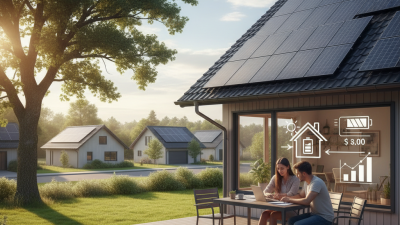
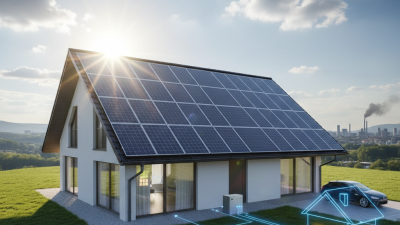
As we step into 2026, the market for solar panels deals is more vibrant than ever. Experts predict a surge in cost-effective options for homeowners and businesses alike. John Smith, a noted authority in renewable energy, emphasizes, "Finding the right solar panels deals can transform your energy costs." His insights resonate as families seek sustainable alternatives.
Solar panels not only offer long-term savings but also contribute to a greener planet. However, navigating the myriad of deals can feel overwhelming. Some offers may seem attractive at first glance but could lack essential warranties or support. It's crucial to scrutinize all terms and conditions carefully.
Consumers are urged to evaluate their specific energy needs before diving into the marketplace. Each solar panels deal should be reviewed through the lens of efficiency and performance. The key is to balance cost with quality, ensuring a wise investment. Remember, in a rapidly evolving industry, even the best deals require thoughtful consideration.

As we approach 2026, the solar panel market is expected to shift significantly. Several factors will play crucial roles in determining the pricing of solar panels. First, the cost of raw materials will have a direct impact. Resources like silicon and aluminum are essential for production. Any fluctuation in their prices could alter the overall market rates.
Moreover, technological advancements are influencing prices as well. New manufacturing methods often lead to more efficient solar panels at lower costs. However, not all innovations are affordable. Some may make panels pricier initially, creating a short-term dilemma for consumers.
Government policies and incentives also affect pricing. Tax credits and subsidies can make solar panels more accessible to homeowners. Yet, if these incentives decrease, consumers might face higher upfront costs. It’s vital to consider these potential price increases when planning your solar investments. The solar landscape is evolving, and staying informed is crucial for making the best financial decisions.
| Solar Panel Type | Average Price ($/Watt) | Efficiency (%) | Warranty (Years) | Key Influencing Factors |
|---|---|---|---|---|
| Monocrystalline | 0.90 | 20-22 | 25 | Raw material costs, demand vs supply |
| Polycrystalline | 0.70 | 15-18 | 25 | Market competition, production techniques |
| Bifacial | 1.00 | 18-22 | 30 | Innovation, efficiency improvements |
| Thin-Film | 0.50 | 10-13 | 10 | Manufacturing process, material availability |
| Building-Integrated | 1.50 | 15-20 | 25 | Design trends, installation costs |
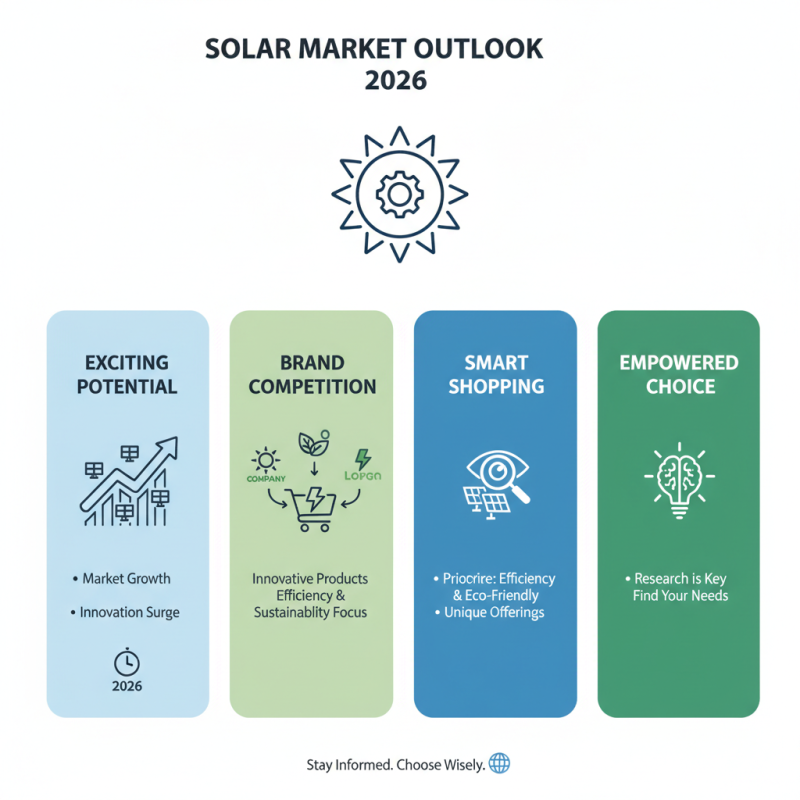
As 2026 approaches, the solar market shows exciting potentials. Many brands are vying for attention with innovative products. Shoppers should keep an eye on companies that prioritize efficiency and sustainability. Each brand has unique offerings that might cater to specific needs. Researching options can be overwhelming, but it is necessary.
Some brands are notorious for their exceptional warranties. They show confidence in their products. Yet, consumers should review user feedback carefully. A handful of reviews might reveal issues not mentioned in marketing. It’s essential to dissect user experiences to feel more confident when choosing.
Price fluctuations in the solar market are common. Promotions may pop up unexpectedly, making it challenging to determine the best time to buy. Be aware of seasonal sales or limited-time offers. Sometimes, waiting a few months may yield substantial savings. Consumers must remain flexible and ready to act when a deal looks promising.
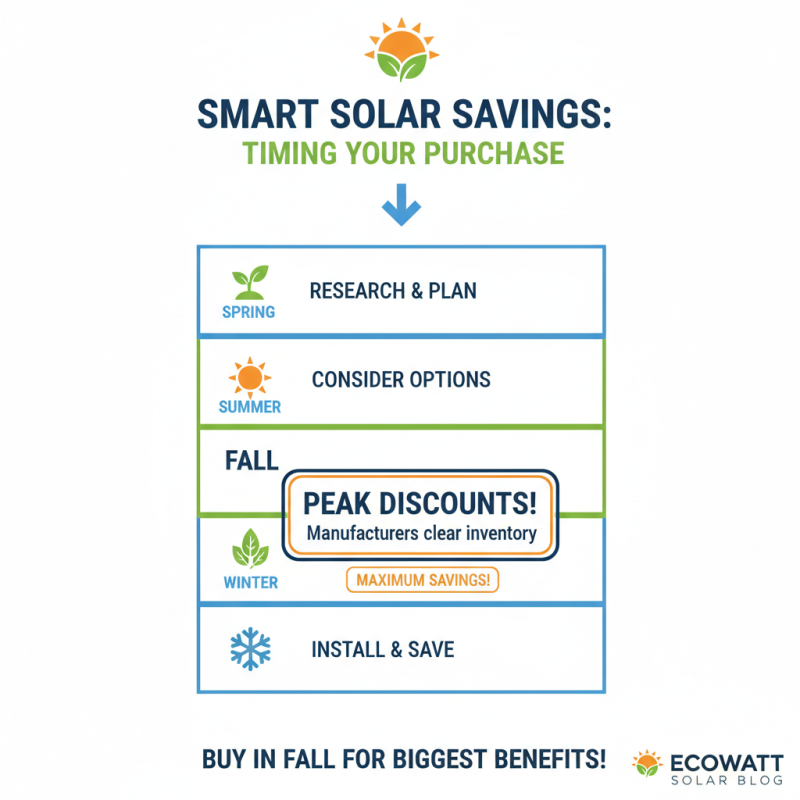
When considering solar panel purchases, timing can significantly impact savings. According to industry reports, seasonal discounts peak mostly during the fall months. Many manufacturers offer incentives to clear out inventory before winter. Homeowners can capitalize on these offers for maximum financial benefits.
Additionally, the month of December often sees significant sales due to end-of-year tax credits. This period allows homeowners to take advantage of financial incentives. Not leveraging these times could mean missing out on substantial savings. Reports indicate that consumers could save up to 30% during these promotional windows compared to other times of the year.
However, it’s also crucial to be cautious. Not all deals are genuine. Some may offer lower quality panels. Researching product reviews and performance metrics is vital. It's easy to get swayed by attractive discounts but ensuring quality cannot be overlooked. Making informed decisions based on data will lead to better long-term outcomes.
In 2026, the solar panel market is witnessing a surge in high-efficiency options. Recent data suggests that the global solar energy capacity is expected to reach over 1,500 GW by the end of the year. This growth comes with newer technologies offering higher conversion rates and better performance in low-light conditions.
Among the options available, panels achieving conversion efficiencies higher than 22% are becoming more prevalent. Research indicates that such panels can generate about 10-20% more electricity compared to standard models. However, higher efficiency often comes with a steeper price. Many consumers may overlook installation costs associated with premium options. Errors in assessments may lead to overspending on products without considering long-term savings.
The durability of new panels needs consideration. Although many are rated for 25 years or more, factors like local weather can affect longevity. A higher initial investment could mean reduced replacement frequency and lower costs over time. But not all users weigh these factors equally. Individuals must reflect on their energy needs. This variability underscores the importance of thorough research before making a commitment.
When evaluating solar panel warranties in 2026, focus on key aspects. Look closely at warranty duration. Typically, a good warranty lasts 25 years. However, some may offer shorter terms. Understand what each warranty includes. Are labor costs covered? Are performance guarantees clear? These details matter.
The service offered is just as essential. Evaluate response times for repairs. Some companies may promise quick service but fail to deliver. Read reviews about customer experiences. Real user feedback often reveals service quality. Consider how long the installing company has been in the market. Longevity can reflect reliability, but it’s not always the case.
Don’t overlook the fine print. Often, limitations are hidden in contracts. Check for exclusions that may affect you later. Some warranties might seem generous but can have loopholes. Compare multiple offers to discern the best value. Be cautious of sales pitches; they may not tell the whole story. A thoughtful approach will lead you to the right decision.