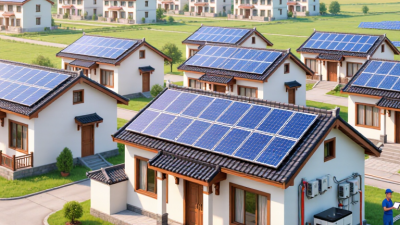
Getting solar panels for your home can begin with a roof, a budget, and a few careful questions. This guide explores ten practical routes, from buying a system outright to using a solar loan, lease, or power purchase agreement. Each option shifts costs, responsibilities, and potential savings differently. There is no single best fit.
Solar researcher Joshua M. Pearce’s work offers a useful principle: compare a system’s lifetime value, not only its installation price. A low quote can look attractive. Check what it includes, such as inverters, monitoring, workmanship coverage, and future service. Ask installers to explain their production estimates and the assumptions behind them. Shade from a chimney or a neighbor’s tree can change those numbers.
The ten approaches also include comparing multiple written proposals, checking installer experience, exploring available incentives, and considering community solar when a suitable roof is not an option. Your utility’s rules, local climate, roof condition, and electricity use all matter. Details vary by location. Review contracts closely, and confirm who owns the equipment and handles repairs. A cautious pause helps.
Expectations deserve a reality check, too. Solar may reduce electricity bills, but savings are not guaranteed, and payback estimates can shift over time. This outline is a starting point, not a personalized assessment. A little skepticism is healthy. The right way to get solar panels for home depends on your property, financing preferences, and tolerance for long-term commitments.
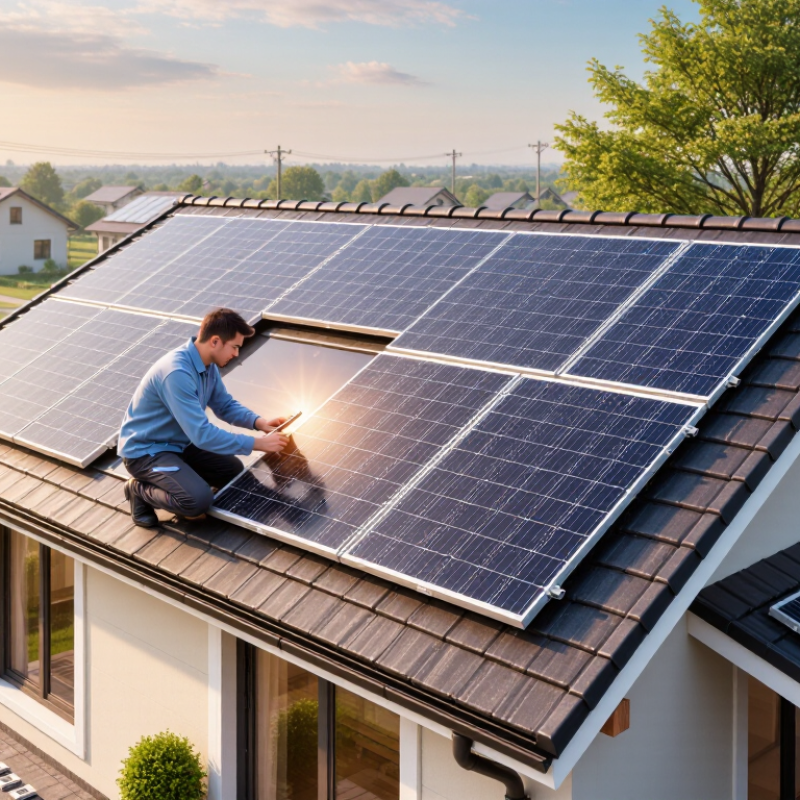
Assessing solar potential starts with your roof, but not with sunlight alone. Note its age, orientation, pitch, and any shade from trees or nearby buildings. A chimney shadow crossing the roof at noon can matter more than a sunny-looking street suggests. Check the roof from several angles, and review recent electricity bills for seasonal changes.
Your energy use sets the system’s target. The U.S. Energy Information Administration reported average residential electricity consumption of 10,791 kilowatt-hours per customer in 2022. Compare that benchmark with your own annual use, not just one summer bill. NREL’s 2016 rooftop assessment estimated that suitable U.S. rooftops could support about 1,118 gigawatts of solar capacity and generate 1,432 terawatt-hours yearly. That national potential is not a promise for any individual home.
Get a site-specific production estimate using your location, roof direction, tilt, shade, and local weather. Then compare estimated annual generation with your household’s consumption. Keep some margin for uncertainty: trees grow, appliances change, and estimates simplify real conditions. A rough calculation helps. It is not a roof inspection. If the roof needs repairs soon, include that timing in your decision rather than treating solar output as the only factor.
Paying cash gives you direct ownership and avoids loan interest, but requires a large upfront budget. A solar loan spreads the cost over time while usually leaving the system in your name. Compare the annual percentage rate, fees, and payment schedule—not just the advertised monthly amount. Check whether payments could rise later. Incentives and eligibility vary by location, so confirm current details with a qualified local professional.
With a lease, a provider owns the panels and you pay to use the system. A power purchase agreement typically charges for the electricity produced, though contract terms differ. These options may need less money upfront, but can affect home sales or roof work. Read the transfer, maintenance, and early-termination terms carefully. Community solar may suit homes with shaded roofs, where available. It does not install panels on your house, and savings depend on the program.
Tips: Request itemized quotes with equipment, installation, and projected output clearly listed. Ask how estimates account for shade at different times of day. A roof can look clear at noon but lose sunlight to a nearby tree in late afternoon. Compare total costs over the full contract, not just the first year. I’d double-check the assumptions; estimates can be imperfect.
Choosing how to pay for rooftop solar can matter as much as choosing the system. A cash purchase usually offers the clearest ownership and avoids monthly financing charges. It also requires a large payment before the panels produce power. Solar loans spread that cost over time, but compare the annual percentage rate, fees, loan term, and total repayment amount. With a loan, you generally own the equipment, though the lender may place a claim on it. Incentives vary by location and eligibility, so verify current rules with an independent tax professional or relevant public agency.
A lease or power purchase agreement can reduce upfront costs. Under a lease, you typically pay a set amount to use the panels; under a PPA, you pay for the electricity they generate. Check whether payments rise over time, who handles repairs, and what happens if you sell your home. Ask for the estimated annual production in kilowatt-hours, not just projected savings. Compare that estimate with your utility bills, including winter usage and evening demand. Read the roof-removal terms too: a roof repair ten years later could add cost and delay. There is no universally clean choice. A lower starting payment may come with less control.
With a cash purchase or solar loan, the homeowner typically owns the system. With a lease or power purchase agreement (PPA), a third-party provider typically owns it. Contract terms and local rules can vary, so review the agreement before choosing.
Solar support often comes from several places: tax incentives, state or local rebates, utility programs, and financing options. The details depend on where you live and whether you own the system. Check current information from government energy offices and your utility before budgeting; program rules and funding can change. Keep copies of applications, invoices, and approval notices. Small paperwork mistakes can delay a rebate.
Look closely at eligibility. Some offers require approved equipment, a licensed installer, or an application before work begins. Ask whether the quoted price already includes the incentive, and do not treat a possible rebate as guaranteed savings. Read the terms carefully. It is easy to focus on the headline amount and miss deadlines or restrictions.
Community solar can help when your roof is shaded, rented, or unsuitable for panels. You subscribe to a shared solar project, then may receive credits on your electricity bill. No rooftop installation is needed. Ask how credits are calculated, whether fees apply, and what happens if you move or cancel. Compare a sample bill with your current charges. Savings can vary, and the arrangement may be less simple than it first appears.
| Way to Get Solar | How It Works | Potential Benefit | Things to Check |
|---|---|---|---|
| 1. Pay with cash | Buy and own a rooftop solar system using savings or other available funds. | You own the equipment and may receive eligible bill credits or incentives directly. | Compare written quotes, warranties, estimated production, and the system’s total installed cost. |
| 2. Use a solar loan | Finance the purchase through a loan; repayment terms and security requirements vary by lender. | Can make ownership possible without paying the full installation cost upfront. | Review the interest rate, fees, payment schedule, prepayment terms, and any lien on the home. |
| 3. Consider home-equity financing | Use an eligible home-equity loan or line of credit to fund a system purchase. | May offer another financing option for homeowners with available equity. | Your home may be collateral. Compare rates, closing costs, repayment terms, and the risk of variable rates. |
| 4. Lease a solar system | A provider owns and maintains the rooftop equipment, while you make scheduled lease payments. | May avoid a large upfront purchase and can include maintenance under the contract. | Check payment increases, performance terms, roof responsibilities, and options when selling the home. |
| 5. Sign a power purchase agreement (PPA) | A provider owns the system and sells the electricity it produces to you under a contract. | Can reduce or avoid the equipment purchase cost; payment is generally tied to energy produced. | Compare the price per kilowatt-hour, annual price changes, contract length, and transfer terms. |
| 6. Look for utility rebates | Some electric utilities offer rebates for eligible solar installations or related equipment. | A rebate may lower the qualifying project’s cost after approval. | Programs, funding, equipment rules, and application deadlines vary by utility; confirm requirements before installation. |
| 7. Check state and local incentives | State, county, or city programs may provide grants, rebates, financing, or tax-related benefits for eligible systems. | Local support can reduce upfront costs or improve project affordability. | Availability and eligibility depend on location and current rules. Verify details with the relevant government office. |
| 8. Join a community solar program | Subscribe to or purchase a share of a shared solar project, usually located away from your home. | Can provide access to solar bill credits without installing panels on your roof; renters may be able to participate where programs exist. | Check local availability, subscription fees, credit calculations, cancellation terms, and whether savings are guaranteed. |
| 9. Review net metering or export credits | A utility may credit some electricity your system sends to the grid under its applicable billing rules. | Export credits can contribute to the value of a rooftop system, depending on local rates and policies. | Credit rates and rules differ by utility and can change. Ask how imports, exports, and billing periods are calculated. |
| 10. Ask about income-qualified programs | Some government or nonprofit programs support eligible households with solar grants, group purchasing, or other assistance. | May make solar more accessible to households that meet program criteria. | Check income limits, service-area rules, application windows, and whether the program serves homeowners, renters, or both. |
Incentives, utility rules, financing terms, and program availability vary by location and can change. Confirm current requirements with the relevant utility or public agency before making a decision.
Choosing an installer is as important as comparing panel specifications. Confirm relevant licenses and insurance for your area, then ask for references from recent residential projects. A site visit should consider roof age, shading, electrical equipment, and where cables will run. A quote based only on a satellite image may miss practical details. Ask for an itemized estimate covering equipment, labor, and likely extra work.
Discuss who will handle permits, inspections, and utility paperwork; requirements and timelines vary by location. Compare the proposed schedule, equipment specifications, and warranty responsibilities. Ask who will be on-site and who answers questions after installation. Get it in writing. A lower price can be appealing, but unclear exclusions may cost more later.
Before work begins, confirm access arrangements and protect outdoor furniture or garden beds near the work area. Ask the installer to document the completed system and explain its shutdown procedure. Installation does not always mean immediate operation: inspection and utility authorization may be needed before activation. It is tempting to treat handover as paperwork, but this is the time to clarify who to contact if production seems unusual. Keep the final plans and commissioning records somewhere easy to find.