How to Find the Best Solar Panel Deals Worldwide?
Finding the best solar panels deals worldwide requires more than comparing the lowest advertised price. A panel listed at $100 may become expensive after shipping, taxes, mounting hardware, inverter costs, and professional installation. In practice, the strongest offers balance price, efficiency, durability, warranty coverage, and supplier reliability. Buyers should examine the full system, not only the panel label.
Small details matter. Check the panel’s power rating, temperature coefficient, degradation guarantee, and documented testing standards. Compare product datasheets from manufacturers, authorized distributors, and established installers. Independent certification can provide useful reassurance, while transparent warranty terms reveal how a company handles failures years later. Regional conditions also change the calculation. A coastal home may need stronger corrosion protection, while a cloudy location may benefit from higher-efficiency modules. Shipping damage is another overlooked risk.
A cheap deal can look irresistible. It can also mislead.
Reliable research means requesting written quotations and confirming every included component. Ask whether the price covers installation, monitoring, permits, replacement parts, and after-sales support. Customer reviews can help, but they should not replace technical evidence or professional advice. Currency changes, local incentives, and supply shortages may also affect final costs. These factors make worldwide comparisons imperfect, yet still valuable when measured carefully.
This guide explores how to evaluate solar panels deals across different markets. It focuses on practical comparisons, trustworthy sellers, lifecycle value, and realistic performance expectations. Some recommendations may require adjustment as technology and prices change. That is worth acknowledging. A careful buyer does not chase the most dramatic discount; they seek dependable energy, predictable costs, and a system that performs for decades.

What Makes a Solar Panel Deal Truly Valuable?
A valuable solar panel deal is not simply the lowest price per watt. It should balance efficiency, durability, warranty coverage, and installation support. A 400-watt panel may look attractive, but its real value depends on local sunlight, roof space, temperature, and energy costs. In hot regions, performance under high temperatures matters more than a perfect laboratory rating. Ask for verified test certificates, degradation figures, and a clear warranty document. Vague promises deserve caution.
Experience also matters. Compare the full system cost, including mounting equipment, wiring, permits, maintenance, and future replacement parts. A cheaper offer can become expensive when shipping delays or unsuitable components appear. Check whether the installer has completed similar projects in your climate. Request photos, references, and an itemized quotation. Reliable sellers should explain technical limits plainly, not pressure you with urgent discounts.
Tips:
Measure your roof before comparing offers. Check annual energy production, not only panel capacity. Confirm warranty terms in writing. Read the exclusions carefully. I once underestimated winter shading, and the projected savings looked better than reality. That mistake changed how I assess solar proposals. A small tree can matter. Also, exchange rates and regional taxes can shift international prices quickly, so recalculate the final delivered cost before signing anything.
Where to Find Reliable Solar Panel Suppliers Worldwide
How to Find the Best Solar Panel Deals Worldwide?
Where to Find Reliable Solar Panel Suppliers Worldwide
Reliable solar panel suppliers are easier to find through verified trade directories, industry exhibitions, and accredited testing networks. A polished website proves little. Request the company’s registration details, factory address, production capacity, and recent export records. Suppliers should provide clear datasheets, warranty terms, and traceable product serial numbers.
Check whether the panels meet relevant IEC standards, such as IEC 61215 and IEC 61730. Independent laboratory reports are more useful than sales claims. Confirm that the laboratory is properly accredited. An ISO 9001 certificate can show organized quality control, but it does not guarantee perfect products. Ask for recent inspection records and sample test results.
Visit the factory when possible, or hire a local inspection agency. Look at cell storage, glass handling, packaging, and final inspection procedures. Reliable suppliers explain degradation rates, temperature coefficients, delivery schedules, and replacement policies without avoiding difficult questions. Contact two or three previous customers and ask about damaged shipments, communication, and warranty response times.
Location matters. A supplier near your project may reduce freight delays and simplify after-sales service. However, lower prices can hide weaker packaging or uncertain support. Compare the full delivered cost, including insurance, duties, testing, and installation requirements. Mistakes still happen, even with careful checks. Written agreements, staged payments, and pre-shipment inspections can reduce avoidable risk.
How to Evaluate Warranties, Certifications, and Shipping Terms
Finding the lowest solar panel price is easy. Finding a dependable deal requires checking the warranty, certification, and shipping terms together. The International Energy Agency’s Renewables 2024 report expects solar PV to provide about 80% of new renewable capacity through 2030. That scale increases competition, but it also makes supplier verification more important. A credible offer should state product coverage, performance guarantees, claim procedures, and the legal entity responsible for support.
Do not treat a “25-year warranty” as one promise. Product warranties may cover defects for 10–15 years, while performance warranties often use annual degradation limits. NREL research has reported a median degradation rate near 0.5% per year for many crystalline-silicon systems. Check whether labor, replacement shipping, and removal costs are excluded. Certifications to IEC 61215 and IEC 61730 support design and safety testing, but certificates should match the exact model and factory. A copied certificate is not evidence.
Tips:
Ask for the certificate number, warranty sample, factory address, and recent test report. Confirm whether shipping is FOB, CIF, or DDP under Incoterms 2020. Clarify who pays customs, insurance, unloading, and damage claims. Take timestamped photos when the pallet arrives. A cheaper quote can become expensive after port delays and broken glass. I have seen buyers focus too narrowly on price; that mistake is understandable, but difficult to reverse once payment is made.
How to Choose the Best Deal for Your Location and Energy Needs
The cheapest panel rarely becomes the best deal for your location.
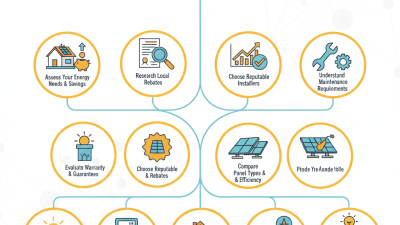
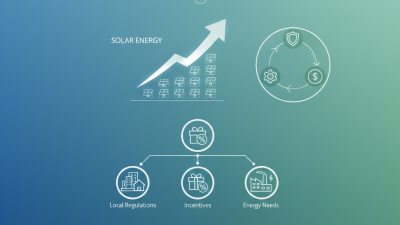
A useful comparison starts with sunlight, roof space, electricity rates, and local weather. In a coastal home, salt air may demand stronger frames and careful maintenance. In snowy regions, panel angle and snow shedding can matter more than a small price discount. Measure twice. Ask an installer for a site assessment using recent shading data, not a quick guess. Also check local incentives and connection rules through official energy authorities, because these details change.
Compare total installed cost, not the advertised panel price.
Request separate figures for panels, mounting, wiring, permits, labor, monitoring, and battery storage. Check the warranty terms, expected annual output, degradation rate, and replacement process. A long warranty means little if the provider disappears or excludes labor. That risk is easy to miss. Verify installer licensing, insurance, references, and grid-connection experience in your area. Written quotations make unclear promises easier to challenge.
Match the system to your actual energy pattern.
A larger array may not help if your roof faces deep afternoon shade. Review twelve months of bills and note when appliances run. A battery can improve evening use, but its cost, usable capacity, and cycle life need careful calculation. I would leave room for uncertainty. Production estimates can miss dust, heat, outages, or changing household habits. Get two or three local quotes, then compare predicted output against your own measurements. Pay attention to maintenance access, replacement timing, and the installer’s response process.