Unirac

What Is Residential Solar Power and How Does It Work?

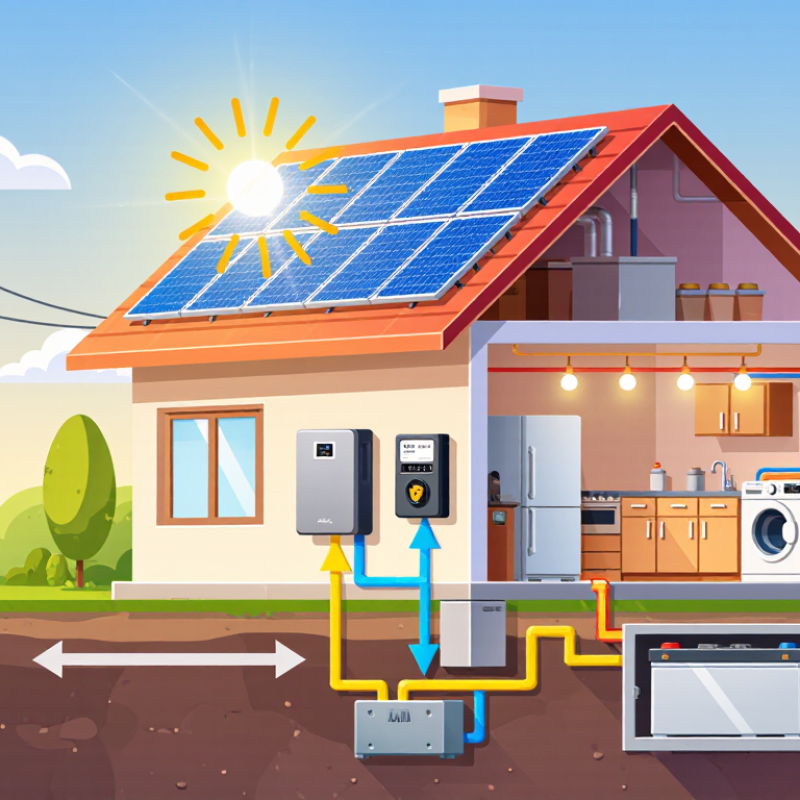
Residential solar power turns sunlight into electricity for a home. Roof-mounted panels capture sunlight and produce direct-current electricity. An inverter then converts it into alternating current, the type most household appliances use. On a clear afternoon, that power may run a refrigerator, lights, and a washing machine. A utility meter tracks electricity moving between the home and the grid.

“The world’s most cost-effective source of electricity is solar,” says Fatih Birol, executive director of the International Energy Agency. Solar economics vary, though. A shaded roof, local electricity rates, equipment costs, and available incentives can all change the value of a system. Some homes add a battery to store extra daytime power for evening use. Others rely on the grid when panels produce too little.

The details matter. A south-facing roof is not automatically ideal, and a battery is not always necessary. A qualified installer can assess roof condition, shading, and household electricity use before estimating system size. Ask for clear production estimates, equipment specifications, and maintenance expectations. These checks help prevent surprises after installation. The picture is not always tidy: sunlight changes by season, and actual output can differ from estimates. Understanding those limits makes it easier to judge whether residential solar power fits a particular home.
What Is Residential Solar Power and How Does It Work?

Residential Solar Defined: How Rooftop PV Converts Sunlight into Electricity

Residential rooftop solar uses photovoltaic (PV) modules to turn sunlight into electricity.

Each module contains semiconductor cells, commonly made from silicon. When sunlight reaches a cell, its energy frees electrons and creates direct current (DC). The modules are wired together, and cables carry their output to an inverter. The inverter changes DC into alternating current (AC), which household appliances can use. Not magic. Just careful conversion.

A meter and electrical panel help route the solar power through the home’s circuits. When panels produce more than the home is using, the extra electricity may flow to the grid; how that is credited depends on local utility arrangements. A battery can store some excess energy for later, but it is optional.

Roof angle, direction, shade, temperature, and equipment condition all affect production. Shadows matter. A tree branch across one panel can reduce output, though the effect varies by system design.

A neat diagram makes the process look predictable; actual sunlight is less tidy. Reviewing roof condition, energy bills, and production estimates with a qualified solar professional gives homeowners a more grounded picture before installation.

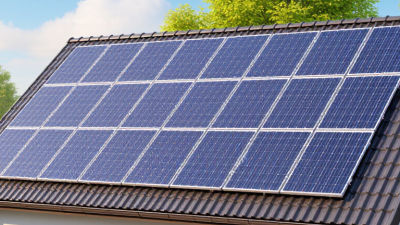
PV Modules at Work: Commercial Panel Efficiencies Typically Range from 15% to 23%

Commercial photovoltaic (PV) modules commonly have efficiencies between 15% and 23%, depending on their design and test conditions. Efficiency measures how much incoming sunlight a module converts into electricity. A module rated at 20% converts about one fifth of the sunlight reaching it under standardized testing, not one fifth of all the energy a household uses.

On a roof, sunlight strikes the PV cells and creates direct-current electricity. An inverter changes that current into alternating current for household circuits. The efficiency rating helps estimate how much power a given panel area can produce, but real output shifts with heat, cloud cover, roof direction, and shade. A chimney’s narrow shadow can affect several cells. Small details matter.

For homeowners, higher-efficiency modules can be useful when roof space is limited. Yet a lower-rated panel on a clear, well-positioned roof may produce more than a higher-rated one under persistent shade. Ratings also describe the module, not the entire solar system; wiring, inverter conversion, and installation conditions influence delivered power. It is easy to overread a percentage. Checking the site and comparing expected production across seasons gives the number practical meaning.

What Is Residential Solar Power and How Does It Work? - PV Modules at Work: Commercial Panel Efficiencies Typically Range from 15% to 23%

System Element How It Works Typical Data or Measurement Why It Matters
Photovoltaic (PV) modules Solar cells convert incoming sunlight directly into direct-current (DC) electricity through the photovoltaic effect. Commercially available panel efficiencies commonly fall within roughly 15%–23%. Efficiency is the share of incident solar energy converted to electricity under specified test conditions. Higher-efficiency modules generate more power from a given roof area, though actual output also depends on sunlight, temperature, shading, and orientation.
Standard Test Conditions (STC) Manufacturers use a common laboratory reference to rate module power and efficiency. STC uses 1,000 W/m² irradiance, a cell temperature of 25°C, and an air mass spectrum of 1.5. STC ratings make product specifications easier to compare, but they do not represent every condition on a roof.
Illustrative module-area calculation Module area can be estimated by dividing rated power by irradiance multiplied by module efficiency. At 20% efficiency and 1,000 W/m², a 400 W module corresponds to about 2 m² of active module area: 400 ÷ (1,000 × 0.20). This is a simplified estimate based on STC; the physical module may occupy slightly more area because of its frame and spacing.
Inverter A string inverter or microinverter converts the modules’ DC electricity into alternating-current (AC) electricity used by household circuits. Inverter specifications commonly report a weighted conversion efficiency in the mid-to-high 90% range; the exact value varies by equipment and operating conditions. Conversion losses and inverter operation affect how much of the modules’ DC production becomes usable AC electricity.
Electrical panel and household loads AC power is supplied to the home’s electrical panel and can serve operating appliances and other loads. Solar production and household consumption change throughout the day and across seasons. When solar generation exceeds household use, surplus electricity may flow to the grid or be stored, depending on the system and local rules.
Utility grid connection A grid-connected system can draw electricity from the utility when solar production is insufficient and may export surplus power. Export compensation, interconnection requirements, and billing rules vary by location and utility. A grid-connected solar system does not necessarily provide backup power during an outage; backup generally requires suitable equipment and configuration.
Battery storage (optional) A battery stores some electricity for later use, with a battery inverter or hybrid inverter managing power conversion. Storage capacity is commonly stated in kilowatt-hours (kWh), while power capability is stated in kilowatts (kW). Capacity describes how much energy can be stored; power describes how quickly the battery can supply or absorb it.
System performance over time PV modules generally produce less energy as they age, while inverters and other components may have different service lives. Module degradation rates vary by product and conditions; performance warranties often specify an expected minimum output after a stated period, commonly 25 years. Warranty terms are product-specific and should be checked separately from expected annual energy production.

Note: Figures are general reference values, not guarantees. Actual residential system output depends on local solar resource, roof direction and tilt, shading, temperature, system design, and maintenance.

Inverters Explained: Converting Solar DC into AC for Household Appliances

Residential solar panels produce direct current (DC), while most household circuits use alternating current (AC). An inverter makes that electricity usable by changing its electrical pattern. It also helps match the home’s voltage and frequency. That distinction matters.

In a common grid-connected system, the inverter continually adjusts how much power it draws from the panels. This helps them operate near their most productive point as sunlight changes. On a clear afternoon, clouds can pass over the roof and output may shift within minutes.

The inverter converts the changing DC supply into AC for lights, a refrigerator, or other appliances. Some energy becomes heat during conversion, so the amount delivered is not exactly the amount the panels produced. Small losses are normal.

Many homes use one central inverter for several panels; others use smaller units serving individual panels. The right arrangement depends on roof layout, shade, and system design. Monitoring can show energy production, but it may not explain every dip.

A grid-connected inverter usually shuts down during a power outage to avoid sending electricity onto lines being repaired. Backup power needs compatible equipment and a safe way to isolate the home from the grid.

Still, inverter readings are not a perfect picture of every appliance’s use. A kettle switching on can change household demand immediately.

Grid-Tied Operation: How Homes Export Electricity When Generation Exceeds Use

When rooftop panels produce more electricity than a home is using, the extra power can flow to the local grid. This is called exporting electricity. The panels generate direct current, and an inverter converts it into alternating current that matches the grid’s electrical conditions. A meter records energy moving in both directions, though the exact metering setup varies.

It happens quietly. On a sunny afternoon, the refrigerator, lights, and other appliances may use less power than the panels produce. The surplus then passes through the home’s electrical connection to the grid, where it can serve nearby customers. After sunset, the home usually draws electricity back from the grid. In effect, the grid balances changing supply and demand; it does not store the home’s solar power for later.

How exported electricity is credited depends on the local utility’s rules and the system’s interconnection agreement. Some arrangements credit exported energy against later use, while others value it differently. Check the actual terms before estimating savings. One detail can surprise new owners: a standard grid-tied system usually shuts down during a grid outage, even in bright sunlight. This protects utility workers from unexpected power flowing onto lines. Backup power requires equipment designed to operate safely while the grid is unavailable. The meter’s numbers can look simple, but the billing details are not always.

What Is Residential Solar Power and How Does It Work?

Grid-Tied Operation: How Homes Export Electricity When Generation Exceeds Use

Illustrative hourly averages for a grid-tied home. When solar generation exceeds household use, the surplus is exported to the utility grid; when use exceeds generation, electricity is imported. Export and import values show the net difference between generation and use for each hour.

Battery Storage: Lithium-Ion Systems Commonly Achieve 85%–90% Round-Trip Efficiency

In a home solar system, a battery stores surplus electricity for later use. Lithium-ion systems commonly achieve 85%–90% round-trip efficiency. In practical terms, putting 10 kilowatt-hours into the battery may return about 8.5 to 9 kilowatt-hours. The rest is lost during charging, storage, and conversion, often as heat.

That figure is a useful guide, not a guarantee. Actual performance depends on battery temperature, power levels, inverter design, and age. A battery in a chilly garage may behave differently from one kept within its recommended temperature range. Measurement methods also matter: some specifications track energy on the battery’s direct-current side, while household appliances use alternating current.

Small losses add up. Solar electricity flows through equipment before it reaches a kettle or refrigerator, and each conversion can reduce the energy available. Homeowners comparing systems should check whether quoted efficiency reflects the complete system and whether it applies to usable capacity. The fine print can be easy to overlook. Round-trip efficiency also does not show how much energy a battery can store, or how long it can supply a home. Those details shape whether stored solar power covers a few evening hours or a larger share of overnight use.