Unirac

Why Choose a Home Solar System for Your Home?

Choosing a home solar system is no longer only an environmental statement. It can be a practical way to produce electricity on your own roof, especially where sunlight is reliable and utility prices continue rising.

Picture a south-facing roof warming under clear morning light. Solar panels quietly convert that light into power for refrigerators, heat pumps, lights, and computers. With a battery, some energy may remain available after sunset or during short outages. However, results depend on roof direction, shade, local weather, system size, and household consumption. A trustworthy installer should measure these conditions before suggesting equipment.

The financial case deserves careful attention. A professional assessment should include panel output, battery capacity, installation costs, maintenance, incentives, and estimated payback time. Monthly savings may change with seasons. Cloudy weeks can reduce production. Older roofs may need repairs before installation, which many homeowners overlook.

It is not a perfect answer.

A home solar system can lower reliance on grid electricity and reduce long-term emissions, but it is not automatically the cheapest choice for every property. Comparing several written quotes, checking installer credentials, and reviewing realistic production estimates can prevent expensive assumptions. Homeowners should also understand warranties, monitoring tools, battery replacement costs, and local connection requirements.

The most reliable decision combines evidence with personal priorities. Energy independence may matter more than rapid savings. Environmental benefits may guide another household. Solar works best when expectations remain practical, numbers are independently checked, and the system is designed for the home rather than copied from a neighbor.
Why Choose a Home Solar System for Your Home?

What Is a Home Solar System?

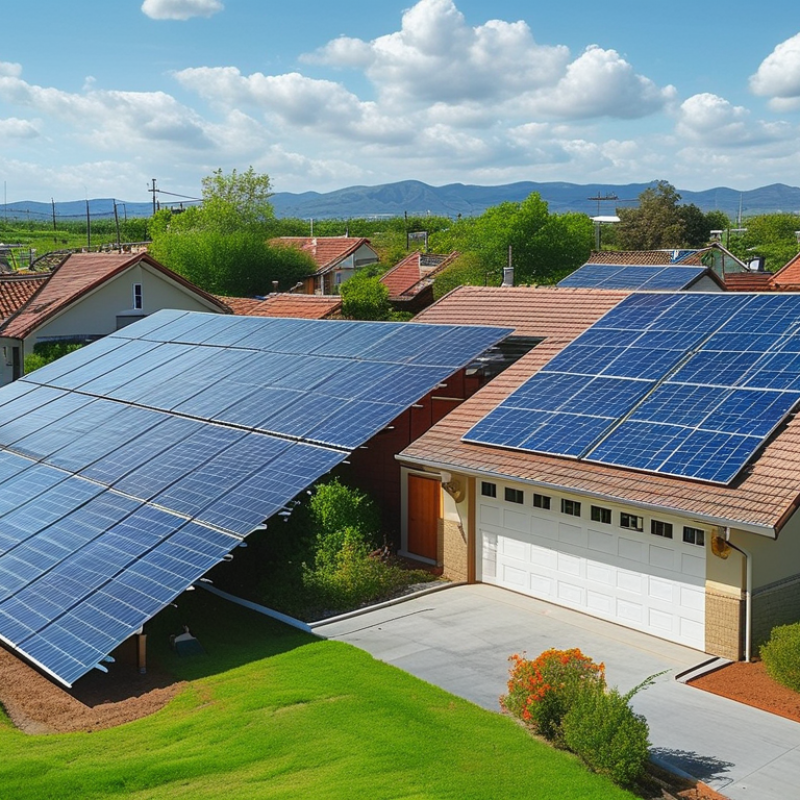
A home solar system is a small power station installed around your house. It uses photovoltaic panels to convert sunlight into direct-current electricity. An inverter changes that electricity into alternating current for household appliances. Your lights, refrigerator, and heat pump can then use the generated power. Panels sit on a roof or ground frame. Mounting rails, cables, safety switches, and a meter complete the basic system. A battery may store extra energy for evening use.

A grid-connected system works with the local electricity network. On bright afternoons, your home may produce more electricity than it needs. The surplus can flow to the grid, depending on local rules and your agreement. At night, you draw power from the grid or a battery. An off-grid system needs larger storage and careful energy planning. That difference matters during cloudy weeks. A qualified installer should check roof strength, shade, wiring, ventilation, and local electrical requirements. Professional design reduces fire, shock, and performance risks.

Real household use is rarely perfectly predictable. A family might run laundry at noon, then cook heavily after sunset. Panel output also changes with season, dust, snow, and partial shade. Online estimates can look impressively precise, but they remain estimates. I would not size a system from a monthly bill alone. Inspect interval readings, roof age, appliance demand, and future changes. Even a well-designed system may produce less than expected in winter. That limitation deserves honest attention before installation.

Why Choose a Home Solar System for Your Home?

A home solar system converts sunlight into electricity through photovoltaic panels. A typical 5 kW residential system can generate approximately 7,000 kWh of electricity per year, depending on sunlight, roof orientation, shading, and local weather conditions.

Data basis: The average U.S. household electricity use is approximately 10,791 kWh per year. The estimated solar output assumes a 5 kW photovoltaic system producing about 1,400 kWh per installed kilowatt annually. Actual results vary by location and installation conditions.

How Home Solar Systems Generate and Store Electricity

Why Choose a Home Solar System for Your Home?

Solar panels convert sunlight into direct-current electricity through photovoltaic cells. An inverter changes that power into alternating current for household appliances. That is the electricity flowing through wall outlets. On a bright afternoon, panels may run a refrigerator, washing machine, and computer at the same time. Extra electricity can charge a home battery or move through the utility meter, depending on local regulations.

A battery stores energy chemically for later use. After sunset, the inverter draws stored power and supplies selected circuits. During an outage, a properly designed system can support essential loads, such as lights, internet equipment, and a refrigerator. Storage also has limits. A small battery may empty quickly during heating or air-conditioning use. Battery capacity, backup power, and daily electricity demand must match carefully.

Real household usage matters more than a simple roof-size estimate. Shade from a chimney can reduce output during part of the day. Dust, winter weather, and cloudy skies also affect production. A qualified installer should review roof condition, wiring, ventilation, local electrical requirements, and fire-safety rules. Even careful estimates can be wrong when family habits change. Monitoring software can reveal those gaps by showing panel output, battery levels, and unusual consumption. That information supports better settings and more realistic energy decisions.

Key Benefits of Installing Solar Power at Home

Why Choose a Home Solar System for Your Home?

Installing solar power can reduce household electricity costs and improve long-term energy security. According to IRENA’s Renewable Capacity Statistics 2024, solar power added about 346 gigawatts globally in 2023. That growth reflects falling equipment costs and stronger technical confidence. At home, rooftop panels convert unused roof space into daily electricity. A battery can store surplus power for evening cooking, lighting, or short outages. However, savings depend on roof direction, local sunlight, electricity rates, and household usage. Solar power is not a perfect answer. Shading, cloudy winters, and an aging inverter can reduce performance. A professional site assessment remains essential.

The climate benefit is also measurable. The IPCC reports that utility-scale solar power produces far fewer lifecycle emissions than fossil-fuel generation. NREL research commonly finds photovoltaic systems lose roughly 0.5% of output annually. This means a well-installed system can remain productive for decades, though maintenance still matters. Homeowners should compare production estimates with actual bills, not attractive promises. Payback periods can change when tariffs, financing costs, or export rules change. That part is easy to underestimate.

Tips: Check twelve months of electricity bills before sizing the system. Ask for a shade analysis and equipment warranties. Leave roof repair costs in the budget. If batteries are included, review usable capacity, replacement timing, and emergency-load limits. Local approval requirements also deserve attention. Small details matter.

Why Choose a Home Solar System for Your Home? - Key Benefits of Installing Solar Power at Home

Benefit or Data Dimension Typical Data or Range How It Benefits a Homeowner Important Considerations
Solar panel service life Approximately 25–30 years for most modern photovoltaic modules Allows the system to provide electricity over several decades after installation. Actual life depends on product quality, weather exposure, installation, and maintenance.
Annual energy-output degradation Commonly about 0.25%–0.50% per year Power production generally declines gradually rather than ending suddenly. The rate varies by module technology, climate, heat, humidity, and ultraviolet exposure.
Operational greenhouse-gas emissions No direct emissions while generating electricity Reduces reliance on electricity generated from fossil fuels during sunny periods. Manufacturing, transportation, installation, and recycling create lifecycle emissions.
Lifecycle carbon intensity Approximately 20–50 g CO2e per kWh for many utility-scale and rooftop solar assessments Usually much lower over its full life than electricity produced from coal or natural gas. Results vary according to manufacturing methods, sunlight levels, system life, and recycling.
Energy payback period Often about 1–2 years in suitable locations After the energy used to manufacture and install the system is recovered, it can produce electricity for many more years. The period depends on solar resource, system design, technology, and local conditions.
Household electricity-bill savings Potentially substantial, but no universal fixed percentage Solar electricity can reduce the amount of power purchased from the utility. Savings depend on system size, electricity rates, shading, local solar conditions, export credits, and household consumption.
Solar production timing Highest during daylight hours, with peak output generally around the middle of the day Works especially well with daytime loads such as cooling, water heating, and appliances. Nighttime electricity use requires grid electricity, load shifting, or energy storage.
Battery storage efficiency Approximately 85%–95% round-trip efficiency for many lithium-ion storage systems Stores excess daytime solar power for evening use and can improve self-consumption. Storage adds cost, has a limited service life, and loses some energy during charging and discharging.
Backup power capability Available only when compatible storage and approved islanding equipment are installed Can keep selected essential loads operating during some grid outages. A standard grid-connected solar system usually shuts down during an outage for electrical safety.
Maintenance requirements Generally low; periodic inspection and occasional cleaning may be sufficient There are no fuel deliveries and relatively few moving parts in a typical rooftop system. Dust, leaves, snow, animal activity, inverter faults, and roof conditions can affect performance.
Roof-space requirement Roughly 5–10 m² of usable roof area per kW of installed capacity Provides a practical starting point for estimating whether a roof can accommodate a system. Roof orientation, tilt, shading, structural condition, access pathways, and local building rules must be assessed.
Energy independence Partial or high independence is possible, depending on system size and storage Reduces exposure to utility price increases and improves control over household energy use. Complete independence usually requires substantial storage, backup generation, or major load management.

Note: Figures are typical planning ranges rather than guarantees. Actual results depend on location, roof conditions, weather, system design, electricity rates, household consumption, and local regulations.

Costs, Incentives, and Long-Term Financial Considerations

A home solar system is a financial asset, not merely rooftop equipment. The purchase price includes panels, inverters, labor, permits, and possible electrical upgrades. NREL’s U.S. Solar Photovoltaic System and Energy Storage Cost Benchmarks: Q1 2024 estimated residential photovoltaic costs near $3.15 per watt before incentives. A 6-kilowatt system would therefore approach $18,900, although local prices vary sharply. That estimate is useful, but not a quote.

Incentives can change the calculation quickly. Rebates, tax credits, and payment for exported electricity depend on location and filing year. Confirm current rules with a qualified tax adviser and your utility. IRENA’s Renewable Power Generation Costs in 2023 reported global utility-scale solar costs of about $0.044 per kilowatt-hour. Rooftop projects cost more, so that figure is not a household promise. NREL research commonly models module degradation near 0.5% annually. Over 25 years, output still declines gradually, while inverters may need replacement. Payback calculators often look clean. Real life is messier.

Tips: Compare three written quotes, including warranty exclusions and roof work. Use your last 12 months of electricity bills, not a generic household profile. Test optimistic and conservative cases for electricity prices, maintenance, shading, and financing. I would keep a cash reserve. Unexpected repairs happen.

Factors to Evaluate Before Choosing a Solar System

Why Choose a Home Solar System for Your Home?

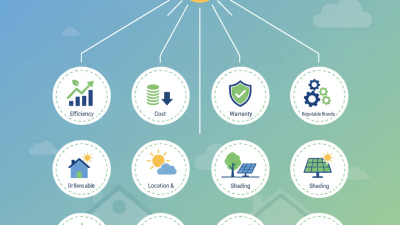
Choosing a home solar system requires more than comparing panel prices. Your roof’s direction, pitch, age, and daily shade strongly affect performance. A professional site assessment can reveal weak roof sections, limited installation space, or nearby trees that reduce sunlight. Check twelve months of electricity bills. This gives a more reliable picture of your actual energy demand.

Tips: Ask for estimated annual production, equipment warranties, battery capacity, maintenance needs, and expected system degradation. Confirm that the installer holds relevant qualifications and follows local electrical and building requirements. Also, review permitting, grid connection rules, insurance, and emergency shutdown procedures. These details may feel tedious. They matter later.

Think carefully about your future needs. A growing family, electric vehicle, or home office can increase consumption. A battery may provide useful backup, but it can also raise the initial cost and require replacement planning. I would question any forecast promising perfect savings. Weather changes, roof repairs, and electricity rates can disrupt neat calculations. A smaller system may be sensible today, yet poor planning could make expansion difficult. Compare several designs using conservative assumptions, not only the fastest payback estimate.