Unirac

China Best Solar Energy for Home Systems 2026

Choosing solar energy for home use in China in 2026 means looking beyond panel prices. Roof conditions, shading, local weather, electricity tariffs, and household consumption all affect real-world value. A system that performs well on a sunny showroom roof may deliver less on a shaded home roof. Details matter.

The scale of the market is clear. China’s National Energy Administration reported about 277 gigawatts of newly installed solar capacity in 2024, including both distributed and utility-scale projects. That figure shows rapid growth, but it does not predict the output of an individual home system. The International Renewable Energy Agency’s Renewable Capacity Statistics 2025 reported that solar added roughly 452 gigawatts worldwide in 2024, around 77% of total renewable capacity additions. These figures offer useful context, not a personal savings guarantee.

This guide compares home solar options by practical criteria: panel efficiency, inverter performance, battery compatibility, warranties, monitoring, and after-sales support. It also considers how roofs, usage patterns, and backup-power needs shape system design. A battery can keep selected appliances running during an outage, but runtime depends on battery capacity and load. Small print matters. Product claims should be checked against current specifications and independent test data; even a careful comparison cannot replace a site survey or a household-specific cost estimate.
China Best Solar Energy for Home Systems 2026

Residential Solar Energy Systems in China in 2026

Residential solar energy systems in China in 2026 are best designed around household use, not maximum panel count. The National Energy Administration reported 277.17 GW of new solar capacity in 2024, bringing total capacity to 886.66 GW. These figures cover all solar installations, not residential systems alone. That distinction matters. Homeowners should compare their own electricity bills and daytime usage rather than assume national growth guarantees savings.

A practical assessment starts on the roof. Note shaded areas, usable space, roof direction, and the condition of the structure. Then compare these details with a year of electricity consumption and local grid-connection requirements. A small roof with afternoon shade may produce very different results from a clear, south-facing roof. Battery storage can shift solar power into evening hours, but it should be evaluated against actual household demand and tariffs. More equipment is not automatically better.

Industry-wide capacity data offers useful context, but it cannot predict one home’s output. I would treat estimates cautiously when they omit shading, seasonal variation, or system losses. Ask for projected monthly generation, assumptions, and maintenance needs in writing. Check the details. A clear, site-specific calculation is more useful than a bold savings claim.

Main Components of a Home Solar Power System

China Best Solar Energy for Home Systems 2026

Main Components of a Home Solar Power System

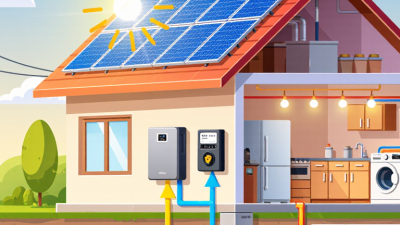
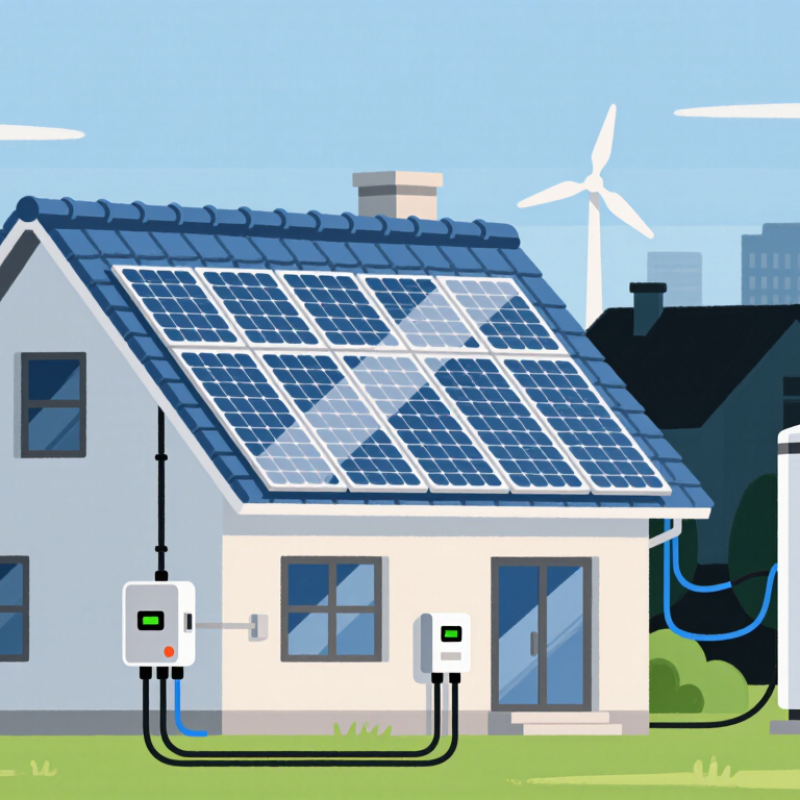
A home solar system starts with photovoltaic modules, which turn sunlight into direct-current electricity. Roof-mounted rails hold the panels in place, while wiring carries power to an inverter. The inverter converts that electricity into alternating current for household circuits. Small parts matter. Disconnects support safe servicing, and a monitoring device shows daily production and faults.

IEA PVPS’s Trends 2024 report estimates global solar capacity exceeded 1.6 terawatts by the end of 2023. That growth makes careful component matching more important, not less.

A battery stores surplus power for later use, but it is optional and adds cost, weight, and conversion losses. It may suit homes with evening demand or frequent outages; it is not automatically the best choice. NREL’s PVWatts documentation applies a default 14% system-loss assumption when estimating output, accounting for factors such as wiring, soiling, and equipment effects.

Actual performance still depends on roof angle, shade, weather, and installation quality. A sunny roof can disappoint if a vent casts a narrow shadow across several modules. I would question any design that promises precise savings without checking those details.

Not glamorous, but important.

Ask for component specifications, estimated annual generation, and the assumptions behind the estimate.

How to Compare Solar Panels, Inverters, and Batteries

China Best Solar Energy for Home Systems 2026: How to Compare Solar Panels, Inverters, and Batteries

A home solar system works as a team: panels produce direct-current power, an inverter converts it, and a battery stores some for later. Compare panel output under local conditions, not just the largest wattage on a datasheet. NREL’s review of photovoltaic performance data found median panel degradation of about 0.5% per year (Jordan and Kurtz, Progress in Photovoltaics, 2013). Small differences compound. Check the product’s temperature coefficient, warranty terms, and whether the quoted output reflects your roof’s shade and orientation.

Inverters deserve equal attention. Compare conversion efficiency, monitoring functions, backup capability, and the cost of replacing the unit. A high-efficiency panel cannot make up for an inverter that limits system output. For batteries, distinguish total capacity from usable capacity, and compare round-trip efficiency, warranted energy throughput, and backup power. A battery’s kilowatt-hours tell you how long it may run; its kilowatts show which appliances it can support at once. Check both.

The market is expanding fast: IEA PVPS reported more than 1.6 terawatts of cumulative global solar capacity by the end of 2023 (Trends in Photovoltaic Applications 2024). That scale does not guarantee a good household quote. Ask for itemized equipment and installation costs, as NREL’s 2024 U.S. solar and storage cost benchmark does. Then test the design against an ordinary evening: lights, refrigerator, and perhaps a kettle. Real usage is messy. A perfect spreadsheet may still miss it.

Assessing Costs, Savings, and Local Installation Conditions

For a home solar system in China, the quoted price is only part of the cost. Ask for an itemized estimate covering panels, inverter, mounting, wiring, labor, and grid connection. Battery storage can add substantially to the upfront bill. It may be worthwhile where evening use is high or outages are a concern, but it does not automatically improve savings.

Estimate savings from your own electricity bills, not a national average. Compare daytime generation with the hours your household uses power, and check the local buyback or settlement terms. A household that runs cooling during sunny afternoons may use more solar power directly. That matters. Savings depend on local tariffs, weather, system performance, and ongoing maintenance; they should not be presented as guaranteed.

Installation conditions vary sharply across China. A south-facing, unshaded roof can help, but roof age, structural capacity, nearby buildings, and seasonal dust also affect output. In humid coastal areas, ask how equipment and fixings handle moisture and salt exposure. In colder or snowier regions, assess winter production and roof access. Get a site inspection and confirm local grid-connection requirements before paying a deposit. A small shade from a water tank can reduce output more than a sales estimate suggests. I would treat any estimate that skips roof measurements as provisional.

China Home Solar in 2026: Solar Resource Thresholds

Annual solar radiation thresholds used to distinguish China’s solar resource classes (kWh/m²/year).

Higher solar-resource classes can support greater solar generation, but these thresholds are not estimates of household output or savings. Actual results depend on local weather, roof orientation and shading, system design, electricity tariffs, and installation conditions. Class IV areas fall below 1,050 kWh/m²/year.

Installation, Grid Connection, and Long-Term Maintenance

China Best Solar Energy for Home Systems 2026
Installation, Grid Connection, and Long-Term Maintenance

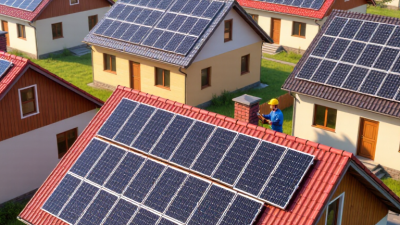
A dependable home solar system begins with a careful site assessment, not a quick equipment estimate. Roof age, afternoon shade, and the location of the electrical panel all affect the design. Ask the installer to explain expected output, wiring routes, and how roof penetrations will be sealed. Small details matter. A neat installation should also leave safe access for future repairs.

Grid connection requires coordination with the local utility and may involve applications, inspections, and approval before export begins. Requirements differ by location, so confirm them early with the installer and utility. The system needs appropriate protective devices and a visible means of isolation. Never assume approval is automatic. Delays happen, and paperwork can feel like the least interesting part of a solar project.

Maintenance is usually modest, but it should not be ignored. Check the monitoring display every few months for unexplained drops or warning messages. After severe weather, look for visible debris or damage from the ground; do not climb onto the roof. Keep vents clear, and follow the equipment maker’s guidance for any battery system. I would also keep installation records and service notes together. Not every dip means a fault, but a repeated pattern deserves a qualified inspection.