Unirac

How to Choose the Best Residential Solar Panels?

Choosing the best residential solar panels begins with your home, not a product ranking. A shaded dormer, a narrow roof section, or a service panel nearing its capacity can change which system makes sense. The highest-efficiency panel is not automatically the best value. Small details matter.

Energy expert Amory Lovins is often quoted as saying, “The cheapest energy is the energy you don’t use.” That principle is useful when planning solar: review your electricity bills and consider simple efficiency improvements before sizing an array. Then compare panels by efficiency, temperature performance, product and performance warranties, and the installer’s workmanship coverage. Ask for the assumptions behind the production estimate, including roof orientation, local shade, and expected system losses. Numbers need context.

A lower-cost option may suit a clear, spacious roof, while higher-efficiency panels can help when space is tight. Look closely at the written proposal, not just the sales presentation. Check whether monitoring, equipment replacement, and service visits are clearly explained. Also confirm that projected savings use realistic utility rates; estimates are not guarantees. No panel erases every uncertainty. Weather changes, equipment ages, and household use shifts. This guide will help you weigh those trade-offs and choose residential solar panels that fit your roof, budget, and energy goals—not just a headline specification.
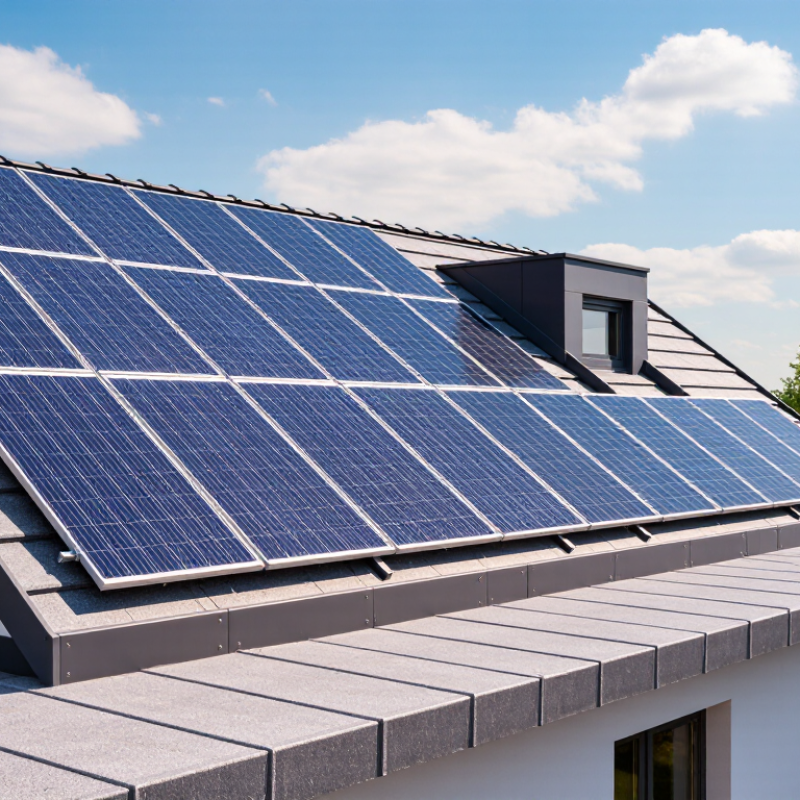
How to Choose the Best Residential Solar Panels?

Assess Your Home’s Solar Potential

Before comparing residential solar panels, assess how much sunlight your roof can actually use. Note its direction, slope, and clear space, then watch where shadows fall in the morning and afternoon. In many northern-hemisphere locations, south-facing roof sections receive strong sun, but local conditions can change the picture. Shade changes everything. A chimney, nearby tree, or taller building may block sunlight for part of the day. Check trees in different seasons, too; bare winter branches can hide the dense summer shade that affects output. Also inspect the roof’s age and condition. Replacing shingles after panels are installed can add cost and disruption.

Your electricity bills help show how much energy your household uses and when demand is highest. Compare several months, not just one unusually low bill. That matters. A qualified solar professional can assess roof measurements, shading, local weather, and likely system output. Ask how the estimate handles cloudy days and future tree growth, and whether roof structure needs review. Check assumptions carefully. Even detailed models are estimates, not promises; household use and weather vary. I would leave room for uncertainty rather than size a system around one perfect-looking forecast.
Compare Solar Panel Types and Efficiency

Solar panel efficiency describes how much sunlight a panel converts into electricity under standard test conditions. Monocrystalline panels commonly offer higher efficiency, often around 19–23%, though individual models vary. Polycrystalline panels are generally less efficient, while thin-film panels can be lighter and flexible but usually need more roof area. Check current product specifications; percentages are not guarantees of household output.

If your roof is small, a higher-efficiency panel may produce more power from each usable section. On a broad, unshaded roof, lower-cost panels may still meet your needs. Shade changes the calculation. A chimney shadow crossing one row in the afternoon can reduce production, depending on system design. Ask for an estimate based on your roof’s orientation, local weather, and shading—not just the panel’s peak rating. Temperature performance matters too, since hot roof surfaces can lower output.

Compare the expected annual energy yield alongside efficiency. Review the panel’s degradation rate and warranty terms, and check what those figures actually cover. An experienced installer should explain assumptions in the estimate and identify roof areas that may underperform. One detail is easy to miss. Dust, leaves, or nearby trees can change real-world results, so even a tidy-looking roof deserves a careful site assessment.

Check Panel Durability, Warranties, and Certifications

A solar panel sits through years of hot afternoons, cold nights, wind, and rain. Check its frame for sturdy, even construction and look for sealed edges around the glass. Ask how the panel has been tested for moisture, temperature changes, and mechanical load. Salt air or heavy snow can make these details especially relevant. Looks can mislead.

Read the warranty documents, not just the headline term. A product warranty covers defects; a performance warranty estimates how much power the panel should retain over time. Check who handles claims, what proof is required, and whether labor or removal costs are included. Those costs can surprise homeowners. Warranty wording varies, and a long term alone does not guarantee an easy repair.

Certifications offer another useful check. For many panels, IEC 61215 relates to design qualification, while IEC 61730 addresses safety. Confirm that the certificate names the exact model being offered, rather than a similar product family. Ask for the test documentation and verify the issuing body where possible. A certificate is helpful, but it cannot predict every roof’s conditions. Compare the paperwork with your installer’s proposed mounting method and local weather exposure. I would still leave room for doubt: even careful testing cannot reproduce every real-world combination of heat, shade, and debris.

How to Choose the Best Residential Solar Panels? — Check Panel Durability, Warranties, and Certifications

What to Check Useful Benchmark or Evidence Why It Matters How to Verify
Product warranty Residential panel product warranties commonly fall within approximately 12–25 years; terms vary by model and market. Covers specified defects in materials or workmanship, subject to the written terms and exclusions. Read the warranty document for duration, covered defects, claim process, labor coverage, and whether the warranty can be transferred.
Performance warranty Many panels include a 25- or 30-year performance warranty. The guaranteed output and degradation schedule differ by product. Sets a minimum warranted power level over time; it is separate from the product warranty. Check the year-one output guarantee, annual reduction thereafter, final-year output, and measurement or claim conditions.
Annual degradation Compare the manufacturer’s stated degradation schedule. Many product warranties specify a year-one reduction followed by a smaller annual reduction, often around 0.4–0.55% per year, but figures vary. A lower warranted degradation rate generally means a higher guaranteed output in later years, all else being equal. Use the warranty’s stated schedule rather than assuming a single industry-wide degradation rate.
Mechanical durability Look for published mechanical-load ratings and test documentation applicable to the exact module model and installation conditions. Wind, snow, mounting method, and installation details affect the loads a rooftop system must withstand. Ask for the module datasheet and confirm that the system designer has checked local building requirements and mounting instructions.
Core safety and performance certification IEC 61215 covers design qualification and type approval; IEC 61730 addresses photovoltaic-module safety qualification. Applicable local approvals may also be required. Testing to these standards helps assess module design and safety, but does not guarantee a particular service life or energy output. Verify certificates or listings for the exact model and confirm they are accepted by the relevant local authorities.
Environmental suitability For coastal, agricultural, or otherwise demanding locations, check whether relevant corrosion or environmental testing—such as IEC 61701 salt-mist testing or IEC 62716 ammonia testing—is documented. Exposure conditions differ by site; specialized testing can help assess suitability for particular environments. Match the test documentation to the site conditions. These tests are not necessary indicators for every home or location.
Temperature coefficient Check the datasheet’s maximum-power temperature coefficient, usually expressed as %/°C. Values vary by module; a smaller absolute negative value indicates less power reduction as cell temperature rises. Solar cells typically produce less power as their operating temperature increases, so this figure can help compare performance in hot conditions. Compare figures measured and reported on the same basis, and consider the local climate and system design.
Warranty provider and claim terms The written warranty should identify the responsible provider and explain remedies, exclusions, shipping, labor, and claim requirements. A long warranty is most useful when its coverage and claim process are clear and practical. Save the warranty, invoice, model and serial numbers, installation records, and any required registration confirmation.

Benchmarks are general comparison guidance, not guarantees. Always check the current datasheet, complete warranty, applicable certifications, and local installation requirements for the specific panel model.

Estimate Installation Costs and Long-Term Savings

A useful solar estimate starts with your roof, not a panel price. Ask installers to itemize panels, inverter, mounting hardware, electrical work, and permit fees. Compare at least three written quotes using the same system size. A low price per watt can hide important differences. Roof age matters, too; replacing shingles after installation may add substantial cost.

Tips: Check your last 12 months of electricity bills. Ask for estimated yearly production, expected system losses, and savings under your utility’s current rates. Compare cash, loan, or lease costs separately. Keep assumptions in writing.

Long-term savings depend on how much power you use while panels are producing it. A sunny roof does not guarantee a large bill reduction. Shade from a chimney or a nearby tree can cut output, and exported electricity may be credited differently from power you use at home. Estimate payback by dividing your net installation cost by realistic annual bill savings. Then allow for maintenance, possible inverter replacement, and gradual panel output decline. Even careful estimates miss something; I would treat projected savings as a range, not a promise. Check warranty terms and ask who handles service before signing.

Choose an Installer and Review the System Design

When comparing residential solar installers, look beyond the equipment quote. Ask who will inspect the roof, design the array, and coordinate electrical work. Request proof of relevant experience, insurance, and local references. Then call one recent customer. Details matter. A clear proposal should explain expected production, assumptions about shade, and what happens if site conditions differ. Be cautious when every estimate promises the same output.

Review the system design before signing. Check panel placement against roof vents, chimneys, and afternoon shade; a neat drawing can still miss a branch that shades one corner. Ask how the installer sized the system using your past electricity use, planned changes, and seasonal patterns. Compare the proposed inverter arrangement, monitoring, and future service access. Make sure the roof condition is assessed, not guessed from a street photo. Some uncertainty remains: weather and household habits can shift actual results.

Tips: Request a scaled roof layout and a written production estimate. Ask the designer to explain one trade-off, such as added panels versus shade exposure. Keep your utility bills nearby. If an answer feels rushed, pause and ask again. The extra conversation may reveal a design gap. That's worth noticing.

How Roof Orientation Affects Residential Solar Design

Illustrative annual energy-yield index for an unshaded roof, with a south-facing roof set to 100. Use this comparison as a starting point when reviewing an installer’s proposed layout.

East- and west-facing roofs can still be viable. Actual output depends on location, roof pitch, shading, equipment, and system design; ask the installer for a site-specific production estimate.