Unirac

Top Solar Energy for Home Solutions for Global Buyers

Choosing solar energy for home use has become a practical priority for households seeking cleaner power and greater energy independence. Global buyers now compare rooftop panels, battery storage, inverters, installation services, and long-term warranties. A suitable system can reduce grid dependence, support backup power, and lower electricity costs. However, results depend on local sunlight, roof direction, weather, household consumption, and utility regulations.

Not every roof works.

In real-world projects, shaded panels can produce far less energy than expected. A small battery may also run essential lights but not heating, cooling, or large appliances. Buyers should request a documented energy assessment before signing a contract. Installers should explain panel efficiency, inverter protection, battery chemistry, maintenance needs, and estimated annual output. Independent certifications and transparent warranty terms matter more than impressive advertising.

Professional guidance is especially important across different countries. Electrical codes, grid-connection rules, import requirements, and recycling policies vary widely. Reputable suppliers should provide test reports, product traceability, installation records, and responsive after-sales support. They should also present realistic financial estimates instead of promising guaranteed savings. Payback periods can change when electricity prices, exchange rates, or local incentives shift.

This guide examines leading solar energy for home solutions for international buyers. It focuses on dependable equipment, practical system design, climate suitability, safety, and total ownership costs. Some recommendations may need adjustment after a site survey. That is not a weakness; it reflects the complexity of residential energy planning. A well-designed system should fit the home, the local grid, and the buyer’s actual daily habits.
Top Solar Energy for Home Solutions for Global Buyers

Understanding Home Solar Energy Systems and Their Main Components

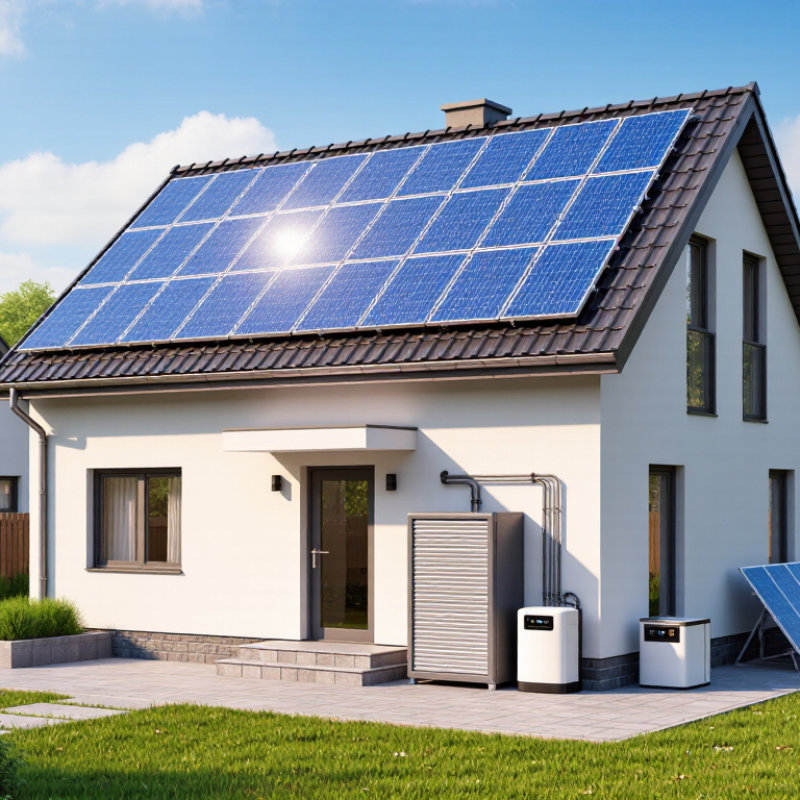
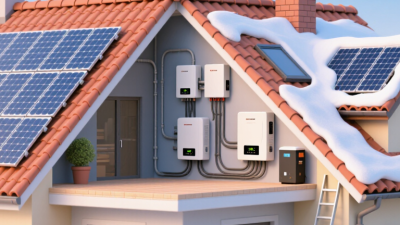
A home solar energy system is more than rooftop panels. It combines photovoltaic modules, mounting hardware, an inverter, protection devices, monitoring, and sometimes battery storage.

According to IEA PVPS Trends in Photovoltaic Applications 2024, global photovoltaic capacity exceeded 1.6 terawatts in 2023. That scale reflects strong confidence, but household performance still depends on careful design.

Panels generate direct current, while most household appliances use alternating current. The inverter performs this conversion and manages grid interaction.

Mounting rails must resist wind, rain, and roof movement. Cables, fuses, disconnects, and grounding reduce electrical risks.

The International Renewable Energy Agency reports that battery storage can improve solar self-consumption, especially when evening demand is high. A battery is not always necessary. Its value depends on tariffs, outage needs, climate, and daily electricity use.

Monitoring software reveals production, voltage, and unusual drops. A shaded chimney can quietly reduce output. The National Renewable Energy Laboratory has reported a typical photovoltaic degradation rate near 0.5% annually, though actual results vary.

Good installers therefore inspect roof age, orientation, shading, and local weather before quoting capacity. A larger system is not automatically better. Oversizing may increase unused generation and payback time.

The weakest detail is often overlooked: future maintenance access. Planning should allow safe cleaning, inverter replacement, and battery ventilation. Some design assumptions will be wrong. Rechecking them is part of professional work.
Assessing Household Energy Needs and Solar Installation Conditions

Top Solar Energy for Home Solutions for Global Buyers

Before choosing solar energy for a home, measure how electricity is used each day. Review 12 months of utility bills, not just one sunny season. Note high-demand appliances, such as heat pumps, water heaters, ovens, and electric vehicles. A 3 kW system may suit a small, efficient home, while a larger household may need far more. Timing matters. If heavy loads run after sunset, battery storage or schedule changes may be necessary.

A roof inspection should examine orientation, tilt, usable area, shading, and structural strength. Trees can cast moving shadows across panels, reducing output during important hours. Use a shade study across different seasons, because winter shadows are easy to overlook. Roof age also matters. Installing panels on a roof needing replacement can create avoidable labor and removal costs. Ground mounting may work where roofs are unsuitable, but it requires space, drainage control, and secure access. Wind, snow, humidity, salt air, and extreme heat influence equipment selection and maintenance needs.

A qualified local installer should verify wiring, protection devices, permits, and grid connection rules. Ask for an itemized design showing expected annual production, losses, battery performance, and maintenance duties. Independent estimates are useful. However, estimates remain estimates. Actual output changes with weather, dust, aging, and household behavior. Field assessments often reveal overlooked afternoon shade or limited service-panel capacity. That mistake can delay installation or increase costs. Leave room for inspection findings and future electricity needs.

Comparing Solar Panels, Batteries, Inverters, and Backup Options

Top Solar Energy for Home Solutions for Global Buyers

Comparing Solar Panels, Batteries, Inverters, and Backup Options

For global homeowners, solar decisions rarely begin with the panel alone. The real comparison is a working chain: panels produce energy, batteries store it, and inverters control its flow. During site assessments, I check roof direction, shade at 9 a.m. and 3 p.m., and the home’s annual consumption. Small details matter. One shaded roof section can reduce output more than a brochure suggests.

Panels differ in efficiency, temperature performance, warranty terms, and physical size. High-efficiency modules help when roof space is tight, while larger roofs may favor better value per watt. Battery choice depends on usable capacity, power rating, cycle life, and safe installation conditions. A battery with ample capacity may still fail to start a pump if its output power is too low. Usable capacity is not the same as advertised capacity.

String inverters can be cost-effective, but shade may affect an entire series of panels. Module-level inverters manage uneven roofs more independently, though added equipment can increase maintenance points. Hybrid inverters simplify solar, storage, and backup control in one system. For outages, homeowners should identify essential circuits, such as refrigeration, lighting, internet equipment, and medical devices. Whole-home backup costs more and may require panel upgrades, permits, and certified installation. I would not size a system from monthly bills alone; seasonal loads and future appliances can change the result. My earlier estimates have sometimes been too optimistic.

Top Solar Energy for Home Solutions for Global Buyers

Residential solar panels typically convert about 19–23% of incoming sunlight into electricity. Battery systems commonly deliver 85–95% round-trip efficiency, while modern inverters often reach 96–99% peak conversion efficiency. Backup batteries generally provide approximately 80–95% of their rated capacity as usable energy, depending on operating limits and system settings. Actual performance varies with temperature, installation quality, load profile, and maintenance.

Selecting Reliable Solar Energy Solutions for Different Global Markets

Selecting reliable solar energy solutions requires more than comparing panel wattage. Climate, grid quality, roof design, and local regulations shape every decision. A system suited to a dry inland home may fail sooner in a humid coastal region. Salt air can corrode exposed hardware. Heavy snow also changes mounting requirements.

Professional assessment should include annual sunlight, seasonal shading, roof strength, and household electricity patterns. In remote markets, battery storage may be essential because outages can last for several hours. In stable urban grids, a smaller battery may reduce unnecessary costs. Ask for documented testing, clear performance ratings, and warranty terms written in understandable language. Independent certification matters.

Local service is equally important. A technically excellent system becomes difficult when replacement parts take months to arrive. Qualified installers should explain maintenance, cleaning, monitoring, and emergency procedures. Check their completed projects in similar weather conditions. Real evidence helps.

Do not trust perfect forecasts. Household demand changes, and panel output declines gradually. Import duties, connection rules, and recycling requirements also differ between countries. These details are easy to overlook. A careful buyer should request a total-cost estimate, including transport, installation, permits, batteries, and future repairs. One weakness remains common: buyers focus on initial price and ignore long-term support. Reliable solar planning needs patience, local knowledge, and room for honest uncertainty.

Top Solar Energy for Home Solutions for Global Buyers - Selecting Reliable Solar Energy Solutions for Different Global Markets

Target Market Typical Solar Resource Common Household System Size Recommended System Configuration Battery Considerations Grid and Backup Factors Key Environmental Requirements Buyer Selection Priorities
United States Approximately 3–6 peak sun hours per day, depending on region. Typically 5–15 kW for a detached home. Grid-connected photovoltaic system with a hybrid inverter; south-facing arrays are common in the Northern Hemisphere. Useful where time-of-use tariffs, outages, or low export compensation make self-consumption valuable. Interconnection rules and export credits vary by state and utility; critical-load backup circuits may be required. Equipment should be suitable for snow, hurricanes, hail, heat, or wildfire exposure where applicable. UL-listed equipment, certified installers, local permitting support, warranty clarity, and monitoring capability.
European Union Approximately 2–5 peak sun hours per day, with higher levels in southern regions. Commonly 3–10 kW for a residential property. Rooftop PV paired with a single-phase or three-phase hybrid inverter, depending on the building connection. Often selected to increase self-consumption and reduce purchases during evening or high-price periods. Self-consumption, net billing, and export rules differ by country; three-phase compatibility can be important. Design should account for roof pitch, winter conditions, shading, local building codes, and European electrical requirements. CE conformity, grid-code compliance, low-noise operation, recyclable packaging, and long-term service availability.
India Approximately 4–6.5 peak sun hours per day in many regions. Usually 2–8 kW for an urban or suburban home. Hybrid rooftop PV with surge-capable inverter operation and optional essential-load circuits. Valuable in areas with scheduled outages; lithium iron phosphate batteries are often chosen for cycle life and thermal stability. Voltage fluctuations, backup requirements, and state-level net-metering policies should be assessed before purchase. High temperatures, monsoon rain, dust, humidity, and rooftop water drainage require suitable enclosures and mounting. High-temperature performance, local installation capability, surge protection, after-sales support, and serviceable design.
Australia Approximately 3.5–6.5 peak sun hours per day, varying substantially by location. Commonly 5–13 kW for a household rooftop system. Grid-connected or hybrid PV, often optimized for daytime loads and export limits. Storage can improve self-consumption where daytime export rates are lower than retail electricity prices. State and network requirements may include export limits, approved inverters, and specific connection settings. High UV exposure, heat, bushfire risk, coastal salt, and strong wind loads should be included in the design. Australian electrical compliance, installer accreditation, corrosion resistance, remote monitoring, and local warranty service.
Middle East Approximately 5–7 peak sun hours per day in many areas. Typically 5–20 kW, influenced by cooling demand and property size. PV system with a heat-rated hybrid inverter, robust mounting, and optional backup for essential cooling and water systems. Battery sizing should consider air-conditioning loads, evening demand, high temperatures, and thermal management. Export policies differ by country; backup systems should be sized for priority loads rather than the entire home unless required. Dust, sand, extreme heat, intense solar radiation, and limited rainfall require suitable IP ratings and planned cleaning access. High-temperature derating data, anti-corrosion materials, dust-resistant design, remote diagnostics, and dependable maintenance.
Sub-Saharan Africa Approximately 4.5–7 peak sun hours per day in many regions. Usually 1–10 kW, depending on household loads and grid availability. Off-grid or hybrid solar-battery system with a backup generator or grid input where available. Battery capacity should prioritize lighting, refrigeration, communications, water pumping, and other essential loads. Unstable grids and outages make automatic transfer, surge protection, and simple system controls especially important. Dust, high temperatures, humidity, lightning, and difficult logistics call for rugged enclosures and accessible servicing. Energy-efficient appliances, modular expansion, spare-parts availability, theft-resistant mounting, and technician training.
Southeast Asia Approximately 3.5–5.5 peak sun hours per day, with seasonal cloud and rainfall variation. Commonly 3–10 kW for a residential property. Grid-connected or hybrid rooftop PV with moisture-resistant equipment and flexible backup options. Useful for outage protection and evening self-consumption; battery ventilation and humidity protection are important. Frequent local outages may justify backup circuits; export compensation and interconnection rules vary widely. Heavy rain, high humidity, lightning, typhoons in exposed areas, and limited roof drainage must be considered. High IP-rated components, anti-corrosion mounting, lightning protection, strong roof attachment, and local service coverage.
Latin America Approximately 4–6.5 peak sun hours per day, depending on latitude and terrain. Typically 3–10 kW for an urban or suburban home. Grid-connected PV or hybrid solar-battery system with surge protection and optional generator integration. Storage is attractive where blackouts occur or where export credits are limited; prioritize critical loads for cost control. Voltage quality, local utility approval, import rules, and country-specific compensation schemes should be verified. Heat, humidity, salt air, high rainfall, dust, and regional earthquake or wind risks may affect component selection. Regional spare parts, Spanish or Portuguese documentation, installer training, warranty enforcement, and flexible financing.

Note: Solar-resource figures are broad planning ranges expressed as equivalent peak sun hours per day. Actual production depends on location, orientation, tilt, shading, temperature, system losses, local regulations, and household electricity use.

Planning Installation, Maintenance, Costs, and Long-Term Performance

Planning a home solar system starts with measured electricity use, not panel count. Review twelve months of bills, roof direction, shading, and local weather. The International Energy Agency reported nearly 420 GW of global solar capacity additions in 2023. That growth improves equipment access, but household results still depend on installation quality. A roof with afternoon shade may need fewer panels, or a different layout. Battery storage also changes the design and budget.

Costs vary sharply by country, labor market, permits, and financing. Request an itemized quote covering panels, inverters, mounting, wiring, inspections, and future replacement. The International Renewable Energy Agency reports that renewable electricity costs continued falling in 2023, yet household prices remain location-specific. NREL research commonly uses about 0.5% annual photovoltaic degradation. Performance can decline more quickly with heat, dirt, poor ventilation, or installation faults. A perfect forecast is impossible. I would avoid promises based only on annual sunshine maps.

Tips: Check production estimates against nearby systems and independent solar databases. Keep access around inverters and battery equipment clear. Inspect visible wiring after severe weather. Clean panels only when local dust measurably reduces output. Ask for monitoring data, warranty terms, and service response times. Set aside a maintenance reserve, even when equipment appears trouble-free. Personally, I would compare monthly production during the first year, then question unusual drops before approving repairs.