What Are the 5 Best Solar Power Systems?
Choosing the right solar power system is not as simple as comparing panel wattage or advertised savings. A reliable choice must fit your roof, climate, electricity use, and budget. It should also include dependable inverters, safe battery storage, clear warranties, and professional installation. In real homes, afternoon shade, dusty panels, and seasonal weather can change expected results.
This guide examines five leading solar power systems through practical, evidence-based criteria. These include energy efficiency, backup capability, durability, monitoring tools, installation quality, and long-term value. Manufacturer specifications matter, but field performance matters more. A system that performs well in a sunny laboratory may deliver less power on a shaded suburban roof. Small details matter.
The comparison also considers different household needs. One family may want affordable daytime generation. Another may need battery backup during outages. Some homeowners may prefer a compact design, while others may prioritize maximum capacity. There is no perfect ranking. My evaluation may favor balanced performance over the lowest purchase price, and that choice deserves scrutiny. Prices and product availability can also change by region.
Readers should confirm local installation standards, incentives, warranty terms, and maintenance requirements before deciding. Independent certifications and qualified installers provide useful safeguards. Still, even expert recommendations have limits. Your electricity bills and roof conditions should guide the final decision. The best solar power system is not always the most powerful one. It is the system that performs safely, consistently, and economically for your specific home.
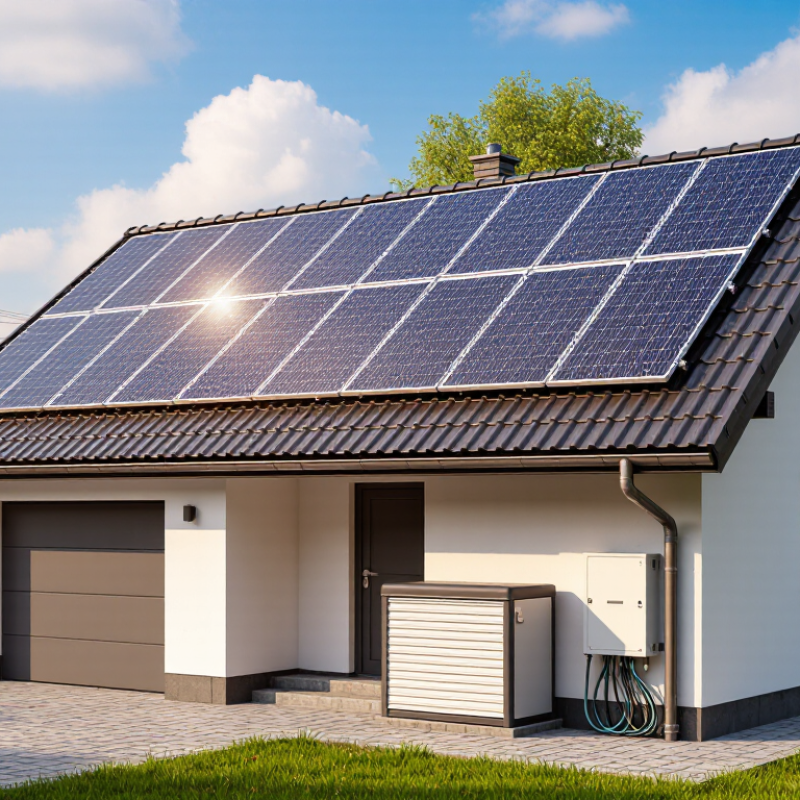
Grid-Tied Rooftop Solar: 20–23% Module Efficiency and Lowest System Costs
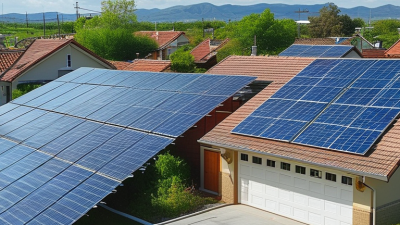
Among the five best solar power systems, grid-tied rooftop solar often offers the lowest system cost. It uses standard photovoltaic modules, an inverter, mounting hardware, and the existing utility connection. Many current modules deliver about 20–23% efficiency, according to technical market data tracked by the International Energy Agency Photovoltaic Power Systems Programme. On a clear roof, that efficiency can produce useful energy without requiring extra land.
The cost advantage is practical. A grid connection usually removes the need for batteries, which add equipment, installation, and replacement expenses. The U.S. National Renewable Energy Laboratory’s 2024 residential benchmark shows that hardware and labor remain major cost factors, while battery storage increases project complexity. Berkeley Lab’s Tracking the Sun report also shows wide variation in residential prices, proving that local labor, roof design, and permitting matter greatly. A simple roof is not always the cheapest roof.
Tips: Check shade at 9 a.m., noon, and 3 p.m. Ask for an annual production estimate, not only panel wattage. Compare warranties, inverter replacement terms, and installer credentials. Leave room for doubt. A quoted payback period may change when electricity rates, roof repairs, or export rules change. A professional site assessment should measure roof age, orientation, shading, and household consumption before installation.
What Are the 5 Best Solar Power Systems?
Grid-tied rooftop solar typically offers the lowest system cost, while hybrid and off-grid systems cost more because they include battery storage and additional control equipment. The module-efficiency figures represent typical midpoints within the common 20–23% range.
Indicative 2024 U.S. benchmarks before incentives. Costs are shown in dollars per watt and vary with location, labor, permitting, roof design, storage capacity, and project scale.
Hybrid Solar-plus-Storage: 85–90% Battery Round-Trip Efficiency (NREL)
What Are the 5 Best Solar Power Systems?
The five practical options are grid-tied, hybrid solar-plus-storage, off-grid, solar microgrid, and community solar. Each serves a different site. Grid-tied systems usually cost less because they need no battery. Off-grid systems offer independence, but they require careful sizing and backup planning. Community solar can help renters access renewable electricity.
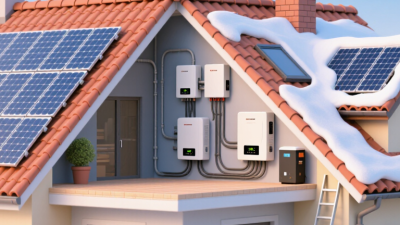
Hybrid solar-plus-storage is often the strongest all-around choice. It combines rooftop panels, a battery, and grid access. NREL reports typical lithium-ion battery round-trip efficiency near 85–90% in its storage performance analyses. In practical terms, storing 10 kilowatt-hours may return about 8.5–9 kilowatt-hours. Some energy becomes heat. Efficiency is not magic.
The International Energy Agency’s Renewables 2024 report identifies solar photovoltaic power as a major driver of new global renewable capacity. That growth makes system quality more important, not less. A hybrid design can shift midday production into evening cooking, cooling, or electric-vehicle charging. It can also provide limited backup during outages, depending on the inverter and local rules. Real homes are messier than spreadsheets. Shade, dust, winter weather, and battery temperature can reduce output. I would question any quote that promises perfect independence. A professional assessment should review hourly loads, roof orientation, battery cycling, and expected degradation before installation. мәғлүм
Off-Grid Solar: Battery Sizing for 2–3 Days of Energy Autonomy
What Are the 5 Best Solar Power Systems?
The best solar system depends on location, load, and backup expectations. Common choices include grid-tied, off-grid, hybrid, portable, and community solar systems.
For remote homes, an off-grid system needs more than panels. It needs a carefully sized battery bank.
Begin with a realistic daily energy audit.
Record refrigerators, pumps, lights, communication devices, and occasional tools. A small home may use 6 kilowatt-hours daily. For three days, that equals 18 kilowatt-hours before losses.
Add roughly 20–30% for inverter losses, wiring, cold temperatures, and battery limits. The usable target becomes about 22–23 kilowatt-hours.
Battery capacity must also respect depth of discharge.
If a battery should provide only 80% of its rated capacity, divide 23 by 0.8. That requires approximately 29 kilowatt-hours of rated storage.
Lithium-based batteries often provide more usable capacity and longer cycling life, but actual performance depends on temperature and installation quality.
Do not size from an ideal summer day.
Cloudy weather is inconvenient. Two or three autonomy days may still fail during a long winter storm.
I once underestimated a water pump’s starting demand, and the inverter shut down at night. That mistake changed the design.
Measure startup surges, include seasonal usage, and leave room for future loads. A professional installer can verify calculations, ventilation, disconnects, and local electrical requirements before commissioning.
Community Solar: Shared PV Projects Exceeding 5 GW in U.S. Capacity
What Are the 5 Best Solar Power Systems?
The best solar system depends on location, budget, and electricity needs. Community solar deserves serious attention. Shared photovoltaic projects now exceed 5 GW of capacity in the United States. These projects serve households that cannot install panels on their roofs. Renters, shaded homes, and apartment residents can participate. A subscriber buys or receives a share of local solar production. Monthly bill credits then reflect that share.
In practice, community solar feels different from rooftop ownership. You do not maintain panels on your property. However, savings depend on project rules, utility billing, and local sunlight. A clear contract should explain fees, credit timing, cancellation terms, and production estimates. Public energy agencies and utility records can help verify project claims. Performance still varies. A cloudy month may reduce expected credits.
Tips:
Ask whether the project is located near your utility service. Compare estimated annual savings with every subscription fee. Check how the provider handles moving, missed payments, and system repairs. Request recent production data, not only projected figures. Avoid promises of guaranteed savings without written evidence. Community solar can widen access to clean electricity, but it is not automatically the best choice for every household.출장안마 ҡар
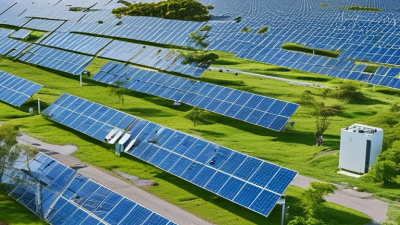
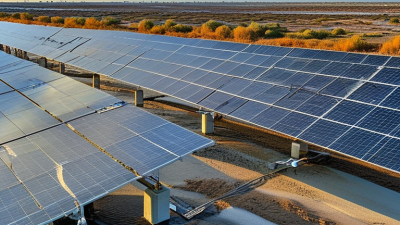
Utility-Scale Solar: Record-Low LCOE Near $24–$96 per MWh (Lazard)
The five strongest solar power systems serve different energy needs: utility-scale ground arrays, rooftop grid-connected systems, solar-plus-storage plants, community solar projects, and off-grid installations. Each system should be judged by cost, reliability, land use, maintenance, and local sunlight.
Utility-scale solar deserves close attention because its economics have improved sharply. Recent Lazard analysis places its levelized cost of energy near $24–$96 per megawatt-hour. That range is significant. It reflects differences in financing, construction, land, grid access, and regional weather. A large field can produce electricity at a low operating cost. However, transmission upgrades may weaken the advantage. The cheapest panel is not always the cheapest project.
A practical site review examines shadows, soil conditions, cable distances, and evening demand. Solar-plus-storage can serve power after sunset, while rooftop systems reduce pressure on local grids. Community solar helps renters participate without owning a roof. Off-grid systems offer resilience, but batteries and replacements increase costs. I would not rank one system for every buyer. That would be too simple. Better data, careful engineering, and transparent assumptions matter more than an impressive headline.