Why Choose Commercial Solar Panels for Global Business?
Global businesses face rising electricity costs, stricter climate expectations, and unstable energy markets. A commercial solar panel system can convert unused rooftops, parking structures, and industrial land into productive energy assets. Sunlight reaches warehouses in Singapore, offices in Spain, and factories in Mexico. The opportunity is widespread, though performance differs by climate, roof design, and local grid conditions.
Fatih Birol, Executive Director of the International Energy Agency, has said, “Solar PV is now the cheapest source of electricity in history.” His observation reflects a major shift in commercial energy planning. Modern panels can reduce daytime grid consumption, especially in facilities operating continuously. Battery storage may extend those benefits after sunset. Smart monitoring can also reveal damaged modules, unusual consumption, or gradual performance loss.
The business case is not automatic. Installation quality matters. Roof reinforcement, cleaning access, inverter replacement, and insurance requirements need careful review. A poorly designed system can create delays instead of savings. That uncomfortable possibility deserves attention. Reliable companies should provide production estimates based on local irradiance data, transparent financial assumptions, and realistic maintenance plans. They should also explain degradation, warranties, interconnection steps, and recycling options.
For international organizations, consistency brings value. Standardized procurement can simplify supplier evaluation across regions. Local engineering teams still need flexibility. Each site has different weather, regulations, labor conditions, and grid capacity. Commercial solar panels can support resilience and lower emissions, but they are not a universal answer. Strong results come from measured design, experienced oversight, and honest expectations.
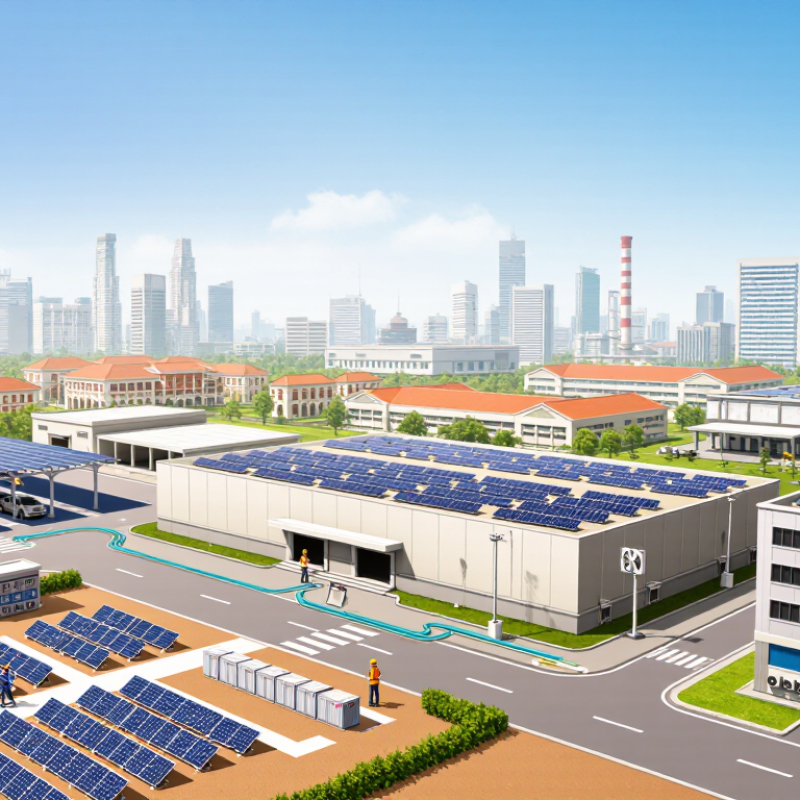
Commercial solar panels are photovoltaic modules that convert sunlight into direct-current electricity. Inverters convert it into usable power for commercial buildings and equipment. A complete system may include mounting structures, monitoring software, and battery storage. Electricity can support warehouses, offices, factories, refrigeration, and electric vehicle charging. According to IRENA’s Renewable Capacity Statistics 2024, global solar capacity grew by about 346 GW during 2023.
For global businesses, solar panels can reduce daytime grid purchases and improve energy-cost planning. They may also support emissions reporting across multiple facilities. The IEA’s Renewables 2024 report expects solar photovoltaic and wind power to provide 95% of new renewable capacity through 2028. Still, solar does not eliminate operational risk. Roof age, shading, dust, storms, and local grid rules affect real production. A low-cost design can create expensive maintenance problems. The uncomfortable truth is simple: sunlight is free, but reliable solar infrastructure is not.
Tips: Begin with twelve months of interval electricity data. Compare expected output with local irradiance and seasonal weather records. Check roof loading, drainage, fire access, and future expansion plans. Ask engineers to model inverter failure and maintenance downtime. Review battery economics separately. Do not treat a glossy payback estimate as certainty; tariffs, financing, and production can change. Independent technical reviews and transparent performance assumptions make commercial solar decisions more dependable.
Commercial solar panels help businesses reduce grid dependence, manage long-term electricity costs, and support more resilient operations. The chart shows newly added solar PV capacity in selected global markets during 2023, demonstrating the scale and momentum of solar adoption across business and infrastructure sectors.
Data: 2023 solar photovoltaic capacity additions, measured in gigawatts (GW). Figures are rounded and based on IEA PVPS, Trends in Photovoltaic Applications 2024.
Commercial solar panels can reduce energy costs across international markets by replacing expensive daytime electricity purchases. Factories, warehouses, and offices often consume power when sunlight is strongest. This timing improves solar self-consumption and lowers exposure to volatile grid tariffs. It can also reduce demand charges in markets that bill businesses for peak usage.
The International Renewable Energy Agency reported that solar photovoltaic electricity costs fell about 90% between 2010 and 2023. Its 2024 cost report also found that most newly commissioned renewable projects were cheaper than new fossil-fuel alternatives. These figures support a practical business case, but local results still depend on tariffs, sunlight, roof condition, and financing. The numbers are persuasive. They are not universal.
In Europe, Asia, Africa, and the Americas, companies can combine solar generation with monitoring systems and battery storage. Batteries may shift midday production into evening operations, especially where peak prices are high. The International Energy Agency reported that solar photovoltaic capacity drove most global renewable capacity growth in 2023. That scale is encouraging, yet international projects need careful site assessments and currency planning. A cloudy season can expose weak assumptions. Maintenance access can also vary sharply between regions. Businesses should compare several years of electricity bills before approving installation, rather than relying on headline savings.
Commercial solar panels can reduce a company’s environmental impact while supporting practical energy planning. Rooftop systems convert unused space into clean electricity. They can lower dependence on fossil-fuel generation and reduce operational carbon emissions. This matters for warehouses, offices, and manufacturing sites with high daytime demand.
Regulatory benefits depend on location, but many regions encourage renewable power through tax measures, clean-energy certificates, or faster approval pathways. Businesses may also face stricter emissions reporting requirements. Solar production data can support those reports when systems include reliable monitoring. In my experience, accurate records matter as much as installation quality. A poorly documented project can weaken an otherwise strong compliance strategy. Solar is not a perfect answer. Grid rules, building permits, fire safety standards, and land restrictions still require careful review.
Tips: Check local incentives before budgeting. Request an engineering assessment. Compare expected output with your real consumption. Keep permits, maintenance logs, and production records together. Ask an independent professional to verify payback assumptions. Weather changes everything.
Commercial adoption can also strengthen environmental reporting for customers, investors, and regulators. Panels may reduce peak electricity purchases, especially during sunny working hours. Battery storage can improve resilience, but it adds cost, safety requirements, and maintenance duties. A responsible plan should measure roof condition, structural capacity, shading, recycling options, and end-of-life handling. Some projections may look impressive on paper yet fail under dust, storms, or operational changes. Regular inspections and transparent performance data help businesses correct those gaps.
| Data Dimension | Verified Data | Business and Environmental Relevance | Reference |
|---|---|---|---|
| Solar PV lifecycle emissions | Median lifecycle emissions of approximately 48 gCO₂e/kWh | Commercial solar can substantially reduce electricity-related greenhouse-gas emissions compared with fossil-fuel-based generation. | IPCC, AR5 Working Group III, 2014 |
| Comparison with coal generation | Median lifecycle emissions of approximately 820 gCO₂e/kWh | Replacing grid electricity with on-site solar can lower exposure to high-carbon electricity sources where the local grid is coal-intensive. | IPCC, AR5 Working Group III, 2014 |
| Comparison with natural-gas generation | Median lifecycle emissions of approximately 490 gCO₂e/kWh | Solar generation can reduce operational dependence on gas-fired electricity and support corporate emissions-reduction targets. | IPCC, AR5 Working Group III, 2014 |
| Direct operating emissions | Zero direct combustion emissions during electricity generation | Solar panels generate electricity without burning fuel on-site, helping improve local air-quality performance and reduce exposure to fuel-price volatility. | IPCC, AR5 Working Group III, 2014 |
| Paris Agreement alignment | Adopted in 2015; aims to hold warming well below 2°C and pursue efforts toward 1.5°C | On-site renewable generation can support emissions-reduction plans connected to national climate commitments and corporate climate strategies. | United Nations, Paris Agreement, 2015 |
| European renewable-energy target | At least 42.5% renewable energy in the European Union's final energy consumption by 2030, with an ambition of 45% | Commercial solar installations can help businesses respond to stronger renewable-energy requirements and procurement expectations in European markets. | European Union, Renewable Energy Directive III, 2023 |
| Global solar cost trend | Global weighted-average utility-scale solar PV electricity cost fell from about USD 0.417/kWh in 2010 to about USD 0.044/kWh in 2023 | The long-term cost decline strengthens the financial case for solar investment, although project economics vary by location, financing, tariffs, and system size. | IRENA, Renewable Power Generation Costs in 2023 |
| Corporate emissions reporting | Purchased electricity is generally accounted for under Scope 2 emissions reporting | Generating electricity on-site may reduce location-based electricity emissions and provide auditable production data for sustainability reporting, subject to applicable accounting rules. | GHG Protocol, Scope 2 Guidance, 2015 |
| Energy resilience | Solar PV can be paired with battery storage and energy-management systems | A properly designed system can reduce peak-grid dependence and support critical operations during selected grid interruptions; resilience depends on storage capacity, system design, and local regulations. | International Energy Agency, Renewables 2023 |
Selecting commercial solar panels for global business locations requires more than comparing wattage and price. A practical assessment starts with local solar irradiance, roof orientation, shading, temperature, and available space. The IEA PVPS Trends 2024 report recorded more than 440 GW of new photovoltaic capacity installed worldwide in 2023. However, strong global growth does not guarantee equal performance at every site. A panel producing well in a dry, sunny warehouse may lose output in a humid coastal facility. High temperatures also reduce module efficiency. The National Renewable Energy Laboratory reports typical photovoltaic degradation near 0.5% annually, but actual results vary by climate and system quality.
Business locations should also be evaluated for wind, snow, dust, corrosion, grid reliability, and maintenance access. In tropical regions, moisture resistance and drainage deserve close attention. In colder markets, snow loading and winter production matter more than peak summer output. The IRENA Renewable Power Generation Costs report found utility-scale solar costs fell about 90% between 2010 and 2023, reaching roughly USD 0.044 per kWh in 2023. Yet the lowest purchase price can create higher lifetime costs through cleaning, replacement, or weak warranty support. A panel’s performance warranty, fire rating, certification, and installer capability should match local requirements. Forecasts remain imperfect. Businesses should model conservative production, currency changes, and grid constraints before committing capital.
Each site needs a review of sunlight, roof loading, grid capacity, weather, and electricity tariffs. A warehouse in Chile may need different equipment from an office in northern Europe. Confirm local permits, fire rules, labor requirements, and grid-connection procedures before ordering materials. Keep the assumptions visible. They will change.
Create a common design guide for electrical protection, cable labeling, safety checks, and performance testing. Then allow qualified local contractors to adapt the details. Inspectors should verify roof anchors, inverter settings, grounding, and emergency access. Small errors become expensive across several countries. Currency shifts and shipping delays can also disrupt a carefully timed project.
Use remote monitoring to compare production with weather and expected output. Set alerts for abnormal temperatures, communication failures, and sudden drops in generation. Schedule cleaning and electrical inspections according to dust, rain, and local conditions. Store maintenance records in a shared system, with access controls and reliable backups. Financial teams should review energy savings against actual bills, not optimistic forecasts. No plan is perfect. Early estimates may miss roof repairs, cloudy seasons, or staff training needs. Regular reviews make those weaknesses visible.